Picture this: you’re sitting in a cozy coffee shop, sipping your favorite latte, when suddenly, you overhear a child excitedly sharing secrets about their family. It’s cute, right? But what if those secrets were a tad more scandalous than a simple “Dad snores” or “Mom can’t cook?” Well, that’s the reality many teachers are facing these days. Kids, with their innocent curiosity and penchant for sharing, are inadvertently spilling their parents’ biggest secrets in the classroom, and it’s causing quite the stir!
The Classroom Confessional
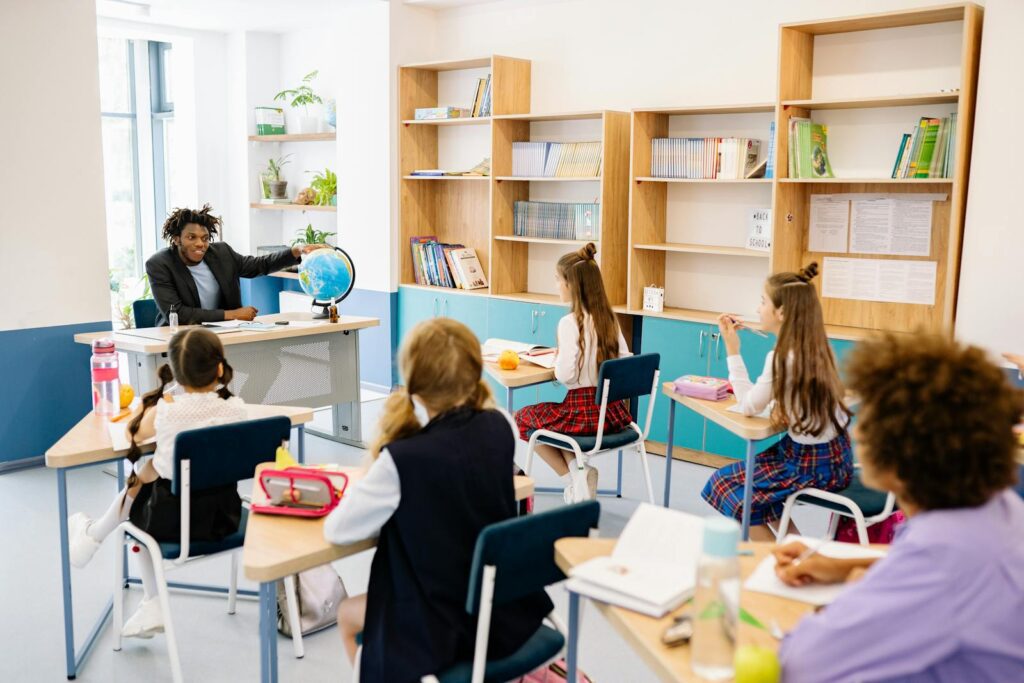
Teachers have long been accustomed to the occasional slip-up—a child mentioning a surprise birthday party or a new pet—but lately, the revelations have taken a turn for the juicier. From financial troubles to marital woes, the things kids are letting slip can leave even the most seasoned educators wide-eyed. “It’s like I’m running a classroom and a confessional at the same time!” one teacher joked. “You never know when a child is going to share something that makes you go, ‘Whoa, that’s not my business!’”
It’s not that kids are trying to be sneaky; they just don’t have a filter. They hear their parents talking, sometimes in the heat of a moment, and then they regurgitate those conversations like it’s just another fun fact. “My mom said we can’t afford that trip because money’s tight,” one child might say, completely unaware of the weight of their words. It’s like they’re little human megaphones, broadcasting family drama with a side of snack time.
Why Are Kids Sharing So Much?
So, why are kids so open about their family lives these days? Well, there’s a mix of factors at play. For one, kids today are more exposed to adult conversations than ever before. Whether it’s during family dinners or while binge-watching the latest Netflix series, they’re absorbing information from every corner. Plus, with the rise of social media and online platforms, they’re growing up in an environment where sharing is the norm—just ask any kid about their favorite TikTok trend!
Another factor is that kids are naturally curious. They want to understand the world around them, and sometimes, that curiosity leads them to share things that might be better kept under wraps. “It’s like they think, ‘If I can talk about it, so can everyone else!’” one teacher said, chuckling at the irony. It’s a classic case of “What happens at home stays at home,” except kids haven’t quite gotten the memo.
How Parents Can Navigate This New Reality
If you’re a parent, you might be nodding your head right now, possibly with a hint of panic. How do you ensure your little one doesn’t spill the beans about your private life? First off, having open conversations with your child is essential. Explain to them that some things are meant to stay within the family. Kids may not grasp the concept of privacy immediately, but it’s a lesson worth teaching.
Another strategy? Keep the conversations age-appropriate. If your child is too young to understand the nuances of financial discussions or relationship issues, maybe it’s best to save those talks for after bedtime. Instead, focus on sharing age-appropriate stories that emphasize values like kindness and respect for others’ privacy. You can even make it into a game—“Let’s share our favorite ice cream flavors instead!”
Teachers’ Tips for Handling the Situation
For teachers, dealing with these accidental disclosures can be a bit tricky. They must strike a balance between being supportive and maintaining professionalism. Many educators have turned to humor as a tool. “I often joke, ‘Alright, who’s next in the confessional booth?’” one teacher explained. This light-hearted approach helps to normalize the situation while also signaling to students that some conversations are better kept private.
Another effective tactic is to create a safe space for students to express their feelings without fear of judgment. Establishing a classroom culture where sharing is encouraged—albeit in a respectful and age-appropriate way—can help students feel secure. “If they know they can talk to me about anything, maybe they won’t feel the need to spill their family’s secrets,” a veteran teacher noted. It’s all about building that trust!
More from Decluttering Mom: