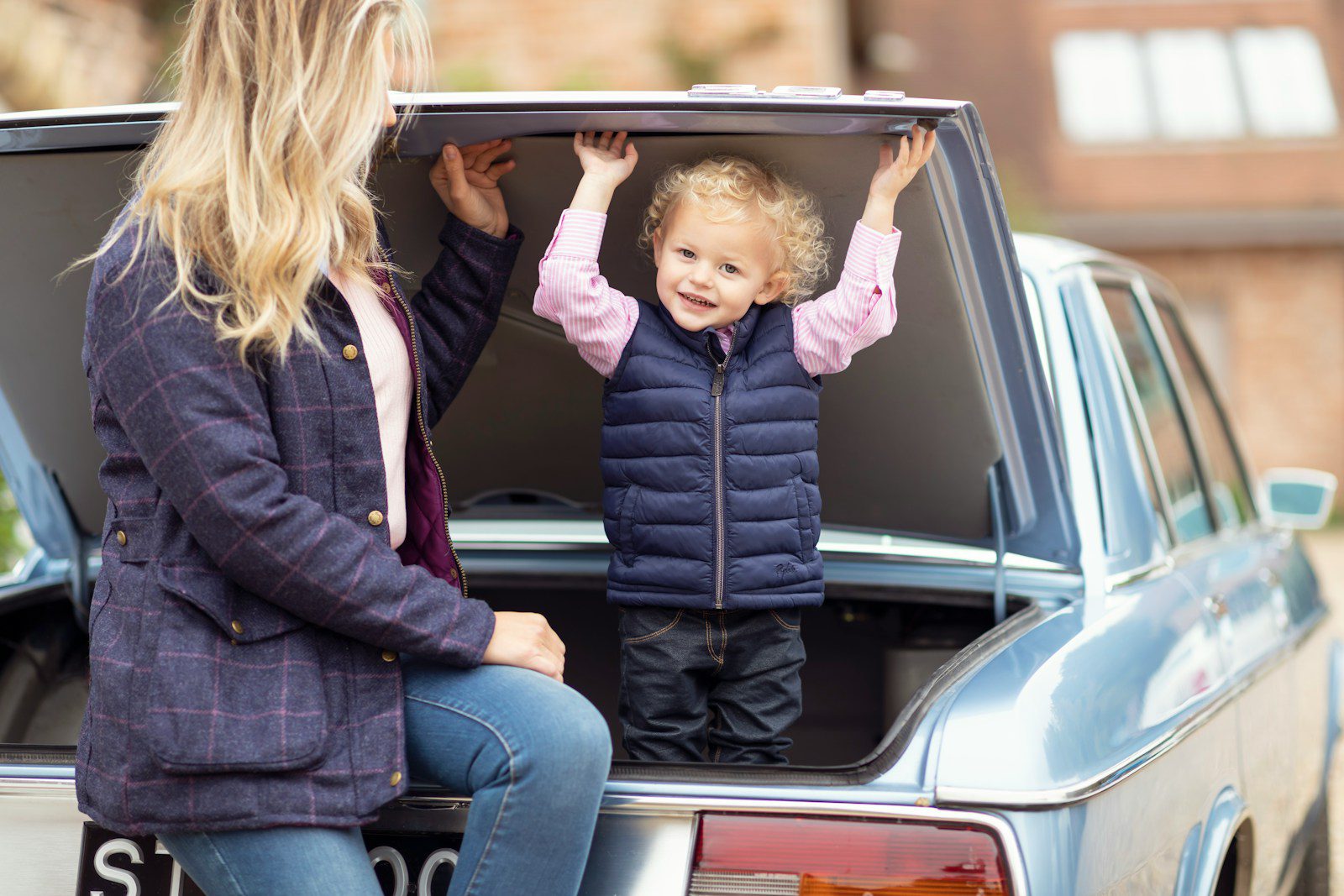
If you’ve ever found yourself in the car, cruising down the road with your kids, you know how quickly conversations can take a turn. One minute, you’re discussing who’s got the best superhero power, and the next, your little one is sharing your thoughts on the neighbor’s questionable lawn care choices. It seems like kids have a knack for repeating everything they hear—especially when it comes to the juicy bits of adult conversations. And teachers are starting to notice.

The Car Confessional
Picture this: you’re driving home after a long day, and you let out a little sigh about work or mention a disagreement with a friend. Next thing you know, your kid is regurgitating that very conversation during show-and-tell or, worse, at a family gathering. It’s like having a tiny reporter in the backseat, armed with a notepad and an eager ear. Teachers across the country are raising their hands and saying, “Hey, we’ve got a situation here!”
It turns out that the car isn’t just a mode of transportation; it’s more like a confessional booth. Kids are soaking up everything like sponges, and they often don’t have the filter needed to keep sensitive information under wraps. “I’ve had students come in and share things that make you go, ‘Whoa, where did that come from?’” says Emma, a third-grade teacher with a knack for understanding kids. “It’s like they think they’re telling a secret, but really, it’s not a secret at all!”
The Ripple Effect
What’s fascinating—and a bit alarming—is the ripple effect this oversharing can have. When kids spill the beans about what their parents say in the car, it can lead to awkward situations. Imagine your child casually mentioning at school that “Mom said Dad is always late,” or “My parents are fighting about the bills.” Suddenly, you’re the talk of the playground, and not in the way you’d hoped.
Teachers report that this kind of oversharing can create a kind of social whiplash among classmates. “Kids don’t always understand the weight of what they’re saying,” Emma explains. “One offhand comment can lead to misunderstandings or even hurt feelings.” It’s a delicate dance, and sometimes, the music stops abruptly when a child innocently drops a bombshell in class.
What’s a Parent to Do?
So, how can parents navigate this minefield? It starts with being mindful of what’s said in the car. Sure, you want to be honest with your kids, but consider how age-appropriate your conversations are. “It’s all about context,” suggests Mark, a dad of two and a family therapist. “You might think you’re just venting, but that could turn into a narrative for your child.”
One practical tip Mark offers is to create a “car talk” rule. You can set aside time for family discussions where everyone feels comfortable sharing, but also establish boundaries around what’s off-limits. “It’s about teaching kids what’s private and what’s okay to share,” he adds. This way, they’ll learn to differentiate between family matters and general chit-chat.
Encouraging Empathy
Another approach is to cultivate empathy in kids. Encourage them to think about how their words might affect others. “How would you feel if someone shared something about you?” can be a powerful question to ask. It helps them understand the impact of their words and fosters a sense of responsibility.
Lastly, don’t shy away from having open conversations about privacy. Kids are naturally curious, and talking about why some things should stay within the family can be a valuable lesson. “The more we talk about it, the more they’ll understand,” Emma emphasizes. Just remember to keep it light and relatable. After all, you want them to feel safe discussing these topics with you.
The Humor in It All
Let’s not forget the humor in these situations. Sometimes you just have to laugh it off when your child goes rogue with a story about your latest spat over who’s turn it is to do the dishes. “I’ve learned to just roll with it,” says Jenna, a mom of three. “If they’re gonna spill the tea, at least I can make sure it’s not a scandal!”
More from Decluttering Mom: