Picture this: you’re sipping your morning coffee, scrolling through social media, when you come across a post from your neighbor’s kid detailing their entire breakfast routine. They’ve shared everything from the brand of cereal to the exact number of strawberries they sliced up. You chuckle, maybe even shake your head a little, and think, “What’s going on here?” Well, it turns out, teachers are raising eyebrows over the same phenomenon. Kids are sharing way too much about their morning routines, and it’s raising some interesting questions about privacy, boundaries, and just how much information is too much.

The New Age of Oversharing
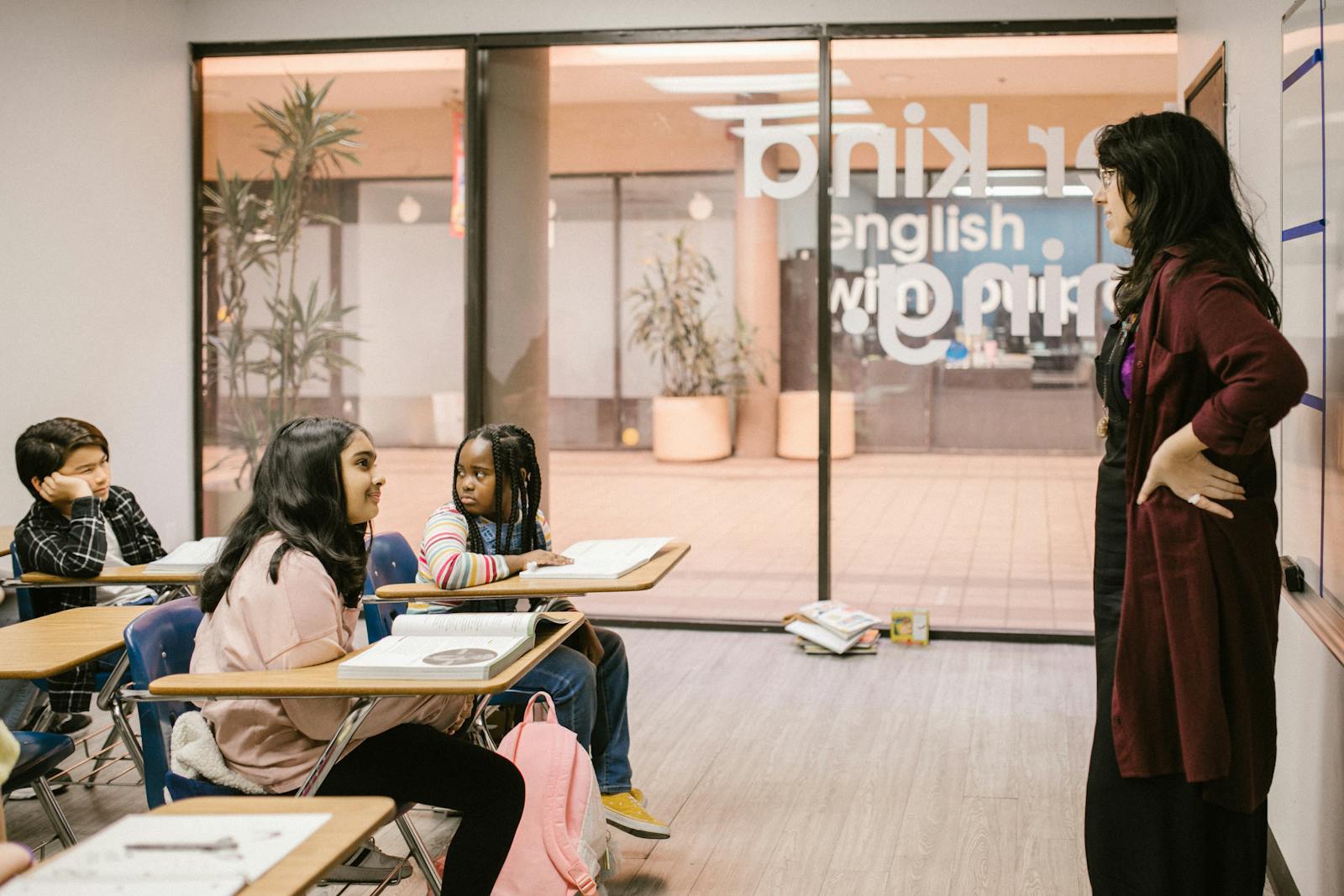
With the rise of social media and constant connectivity, kids are living in a world where sharing is second nature. From TikTok challenges to Instagram stories, it’s almost as if they’re in a competition to see who can share the most mundane details. Teachers across the country have noticed this trend—students are bringing their social media chatter right into the classroom. It’s not just the occasional funny anecdote anymore; it’s full-blown narratives about what they had for breakfast, the arguments over who gets to choose the morning playlist, and even the epic battles over whose turn it is to walk the dog.
“It’s like they think everyone wants to know every single detail of their lives,” says Ms. Thompson, a fifth-grade teacher from Ohio. “I get that sharing can be fun, but sometimes I just want to tell them, ‘Hey, not everyone needs to know that you had the last Pop-Tart for breakfast!’”
The Privacy Dilemma
While it’s great that kids are excited to share their lives, there’s a fine line between sharing and oversharing. Teachers are concerned about the implications this might have on their students’ understanding of privacy. What happens when kids don’t learn to filter what they share? Are they losing the ability to keep certain things to themselves? Ms. Thompson worries about the normalization of giving away personal details that could lead to anxiety or even unwanted attention.
And let’s not forget about the parents! Many are scratching their heads, wondering how to navigate this new landscape. “I thought I’d raised my kids to be cautious,” says Sarah, a mom of two. “But they come home talking about how they shared their morning routine with the entire class as if it’s the most normal thing in the world.”
Finding the Balance
So, what’s the solution? Teachers suggest that kids need guidance on what’s appropriate to share and what’s best kept to themselves. A little role-playing or class discussions could go a long way. For instance, teachers could create a fun game where students guess whether a detail about someone’s morning routine is real or made up—this could help them understand the concept of boundaries while still enjoying the fun of sharing.
“It’s all about teaching them to be mindful,” says Mr. Johnson, a middle school science teacher. “We want them to feel comfortable sharing, but we also want them to understand that not every detail needs to be public knowledge.”
Encouraging Thoughtful Sharing
Parents can get in on the action too. Encouraging kids to reflect on what they share can help them develop a sense of discretion. “I ask my kids questions like, ‘Why do you think your friends want to know that?’” says Emily, a mother of three. “It sparks interesting conversations about privacy and the importance of thoughtful sharing.”
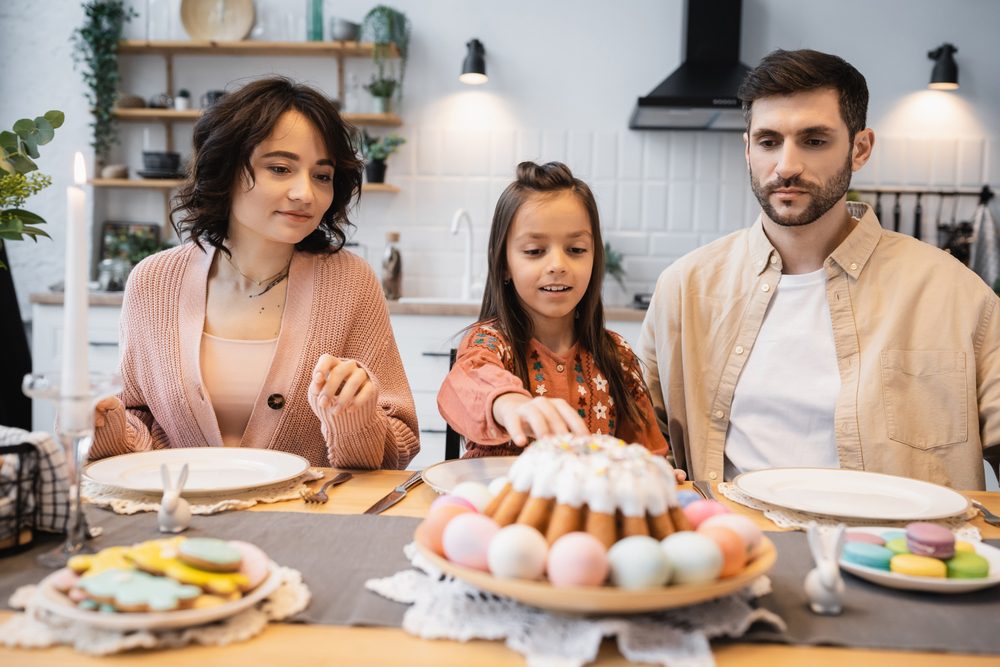
Even simple activities like family dinners can serve as a platform for practice. Consider setting a “sharing rule” where everyone takes turns sharing something from their day, but also has to think about whether it’s something they’d be comfortable sharing with anyone outside the family. It’s a fun way to spark dialogue, build trust, and teach valuable lessons about boundaries.
Embracing the Digital Age
At the end of the day, we’re living in a digital age where kids are growing up with technology at their fingertips. It’s a learning curve for everyone involved. Teachers and parents alike are figuring out how to navigate this brave new world, striving to strike a balance between encouraging sharing and instilling a sense of privacy. Perhaps the real lesson here is that sharing can be great, but it’s equally important to know when to hold back.
More from Decluttering Mom: