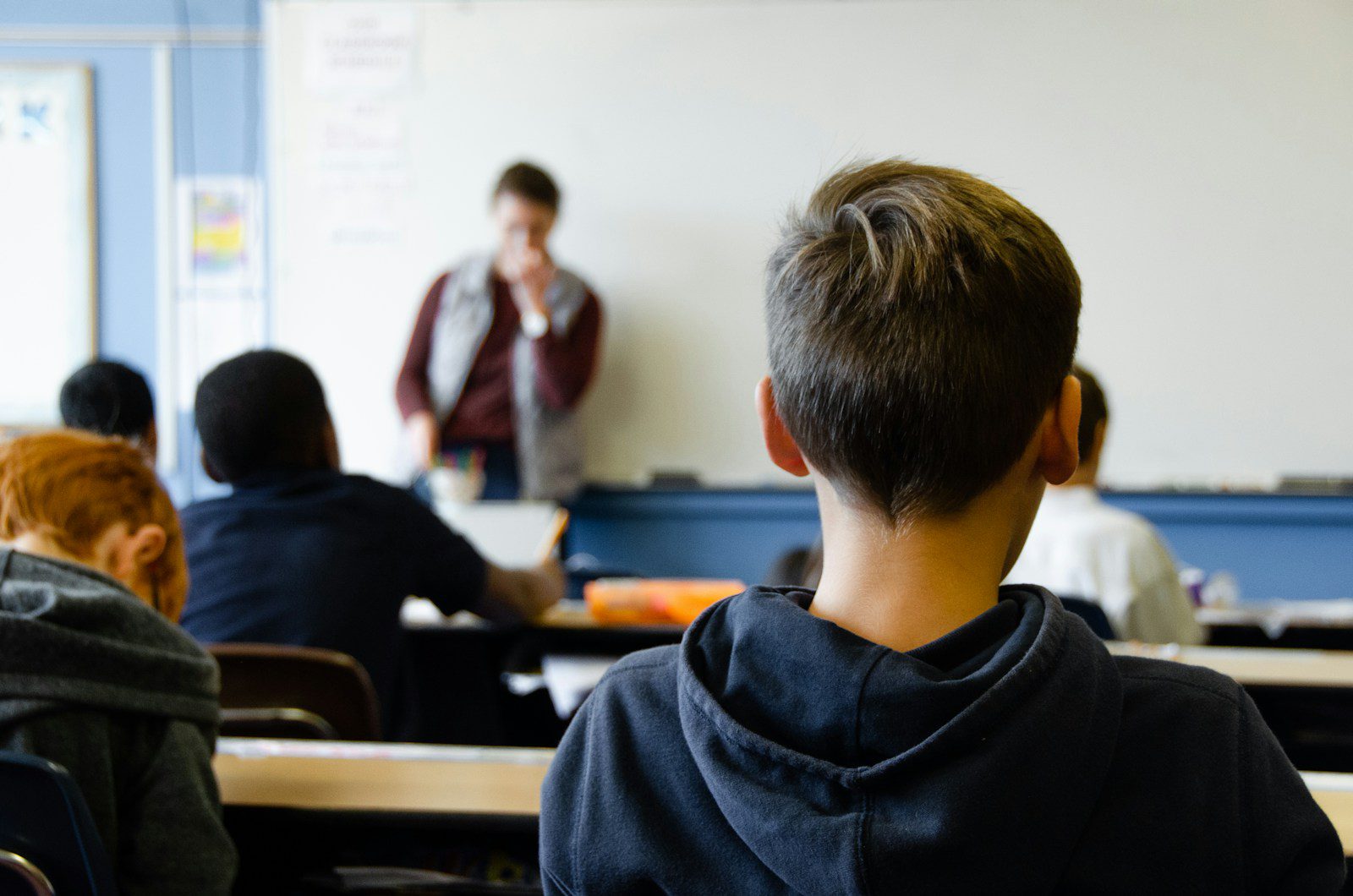
A simple classroom moment, a bowl, and a couple of eggs were all it took for one teacher’s lesson on race to leave viewers around the world wiping their eyes. Instead of dodging a tough topic, she walked straight into it with her students, using everyday objects to show that what matters is on the inside. The clip has turned into a quiet viral sensation, not because it is flashy, but because it models the kind of honest, gentle conversation many adults still struggle to have.
Her approach lands at a time when schools are under intense pressure over how they talk about race, equality, and history. The contrast between this thoughtful explanation and other classroom incidents, where teachers have told children that one race is “superior,” shows just how high the stakes are when an adult stands in front of a room full of kids.
The Egg Lesson That Stopped People In Their Tracks
In the viral clip, the teacher gathers a small group of children around a table, where a bowl and a packet of eggs are waiting. She holds up two eggs, one with a brown shell and one with a white shell, and asks the kids what they notice. The children point out the obvious difference in color, but the real point lands when she cracks both eggs into the bowl and the yolks look exactly the same, a visual that quietly undercuts the idea that appearance tells the whole story about a person’s worth, identity, or potential, as described in the account of teacher and children.
The kids watch as the shells disappear and the contents mix together, and the teacher uses that moment to talk about how people can look different on the outside but be just as kind, smart, and deserving of respect on the inside. It is not a lecture about policy or a dense history lesson, it is a concrete image that even very young children can hold onto the next time they hear someone judged by skin color. That is part of why so many viewers have said the video moved them to tears, because it shows a complicated subject handled with clarity and care instead of fear.
Why This Simple Metaphor Hits So Hard
What makes the egg demonstration so powerful is not just the cleverness of the metaphor, but the way it meets children exactly where they are. Kids understand food, they understand seeing two things that look different and then discovering they are the same inside, and they understand fairness long before they can recite any legal definition of discrimination. By turning an abstract idea into something they can literally see in a bowl, the teacher gives them language and images they can use when they encounter bias in the real world, which is exactly the kind of work adults mean when they say equality, race and are important topics for parents and teachers to tackle.
There is also something disarming about how low tech the whole thing is. In an era of slick educational apps and animated explainers, this teacher uses a kitchen staple and a quiet voice to make a point that sticks. Viewers are not just reacting to the message that people are the same inside, they are reacting to the reminder that adults can choose to have these conversations early, gently, and without panic. The tears in the comments are as much about relief as emotion, a sense that someone finally showed what a healthy classroom conversation about race can look like.
Talking About Race With Kids Is No Longer Optional
The egg lesson also lands in a broader shift in how educators think about what is “age appropriate.” For a long time, adults tried to shield young children from conversations about race, assuming they were too fragile or too unaware to handle it. But teachers on the ground have seen that kids notice skin color, accents, and who gets treated differently long before anyone sits them down for a formal talk, which is why many early childhood educators now argue that silence does not protect children, it just leaves them to fill in the gaps with whatever they pick up from the playground or television.
That is the logic behind the work of Jun, a kindergarten teacher who created a video to help her students think about race. In her lessons, she reads stories and then follows up with questions like “Why do you think that is fair or unfair?” and “What would you do if you were told you could not play?” so that children practice naming injustice and imagining better choices, a process described in detail in coverage of how she follows up her stories. The egg lesson fits into that same philosophy, treating kids as capable of empathy and critical thinking instead of pretending they do not see difference.
When A Video Lesson Reaches Far Beyond One Classroom
Jun did not just keep her race lesson inside her own classroom walls. She recorded a video for her kindergarteners and their families, walking through stories about unfair treatment and then pausing to ask those same “Why” and “What” questions so kids could respond at home. That video ended up spreading widely online and, at one point, had nearly 100,000 views, a number she cited as proof that families were hungry for tools to start these conversations, as reported in coverage noting that her video had nearly 100,000 views.
That kind of reach shows how a single thoughtful lesson can ripple outward, much like the egg demonstration has now done. Parents who might feel awkward or underprepared can watch how a professional frames the topic, then borrow the language or the metaphors for their own dinner table. It also undercuts the idea that talking about race with young kids is inherently divisive, since the popularity of these videos suggests that many families see them as a relief, a starting point, or even a lifeline in a climate where the public debate around curriculum has turned so heated.
The Dark Flip Side: When Teachers Say The Quiet Part Out Loud
The tenderness of the egg lesson stands in sharp contrast to other classroom moments that have gone viral for all the wrong reasons. In one widely shared incident, a white teacher was recorded telling students that his race was “superior,” language that did not just cross a line but bulldozed it. Students in the room captured the exchange on their phones and shared it, and the video was later provided to administrators as part of a formal complaint, a sequence described in reporting on how the clip was shared on social and escalated.
That teacher ultimately lost his job, but the damage inside the classroom was already done. For the students who heard an authority figure say out loud that one race is better than another, the message was not just offensive, it was destabilizing. It told some kids they were less than, and it told others that their teacher might back them up if they treated classmates that way. The egg lesson and similar efforts are, in many ways, attempts to repair exactly that kind of harm, to make sure that when children remember what their teachers said about race, they remember metaphors of shared humanity instead of declarations of superiority.
How Students Fought Back With Their Own Cameras
In another case that grabbed national attention, students in Texas recorded their teacher making openly racist comments in class. On the video, the teacher can be heard saying “deep down in my heart I am ethnocentric, which means I think my race is the superior one,” a statement that left the room stunned and quickly spread online, as documented in coverage of the Texas teacher caught on camera. The fact that it was students who hit record is a reminder that kids are not passive in these moments, they are witnesses who now have the tools to show the world what happens when the classroom door closes.
The fallout was swift, with the teacher out of a job and the district scrambling to respond. But for the children in that room, the experience was not just a headline, it was a lesson in who gets to define “normal” and how quickly trust can evaporate. When they later see a video of a teacher cracking eggs to show that everyone is the same inside, they are not just watching a cute activity, they are measuring it against the memory of an adult who used their authority to elevate one group over another. The contrast is stark, and it underscores why thoughtful, affirming lessons are not a feel good extra, they are a necessary counterweight.
A Texas Mom’s Anger, And What It Reveals About Trust
The harm from those racist classroom comments does not stop with the students, it ripples straight into families’ living rooms. In the Texas incident, an Austin area mother spoke out after seeing the viral video of her son’s teacher telling students that his race was “superior.” She described feeling furious and betrayed, saying the clip “made me mad” and left her questioning how someone who talked that way could have been allowed to teach her child, a reaction detailed in reporting on the Texas mom who responded to the viral clip.
Her anger speaks to a basic expectation parents have when they send their kids to school, that the adults in charge will not undermine their children’s dignity. When that trust is broken, it is not easy to rebuild, and it can make families more wary of any classroom conversation about race, even the healthy ones. That is part of what makes the egg lesson so striking, it offers a counter image of a teacher using her authority to affirm every child at the table. For parents who have seen the worst of what can happen, watching a stranger on the internet model the kind of talk they wish their own kids had heard can be both comforting and bittersweet.
The Bigger Picture: A Civil Rights Education Gap
These viral moments, both good and bad, are playing out against a backdrop of deeper concerns about what American students are actually learning about civil rights. Advocates have warned of a crisis in how schools cover the history of segregation, protest, and legal change, arguing that too many classrooms skim past the hard parts or avoid them altogether. Today’s teachers are described as facing the same pressures as earlier generations, with some trying to push forward and others pulling back, a tension captured in reporting that notes how today’s teachers are navigating what their classrooms are not teaching.
From North Carolina to Texas, educators like Turquoise LeJeune Parker and Lapernee Kea have been highlighted for finding creative ways to talk about justice with even the youngest learners, weaving stories of protest and resilience into everyday lessons so that kids do not grow up thinking civil rights is just a chapter to be memorized for a test. The egg demonstration fits into that broader push, not because it covers every nuance of history, but because it plants a seed about fairness and shared humanity that later lessons can build on. In a climate where some lawmakers want to narrow what can be said about race, these small, age appropriate conversations become a quiet form of resistance.
Why Thoughtful Teachers Matter More Than Ever
Put side by side, the egg lesson, Jun’s video, the Texas recordings, and the broader civil rights education gap tell a clear story. The adult at the front of the room can either reinforce old hierarchies or help kids imagine something better, and there is not much neutral ground. When a teacher like Jan uses a bowl and two eggs to show that people are the same inside, she is not just filling time before lunch, she is shaping how her students will interpret the next racist joke they hear on the playground or the next news story they see about unequal treatment, a role that becomes even more important when other adults are still telling children that one race is “superior.”
More from Decluttering Mom: