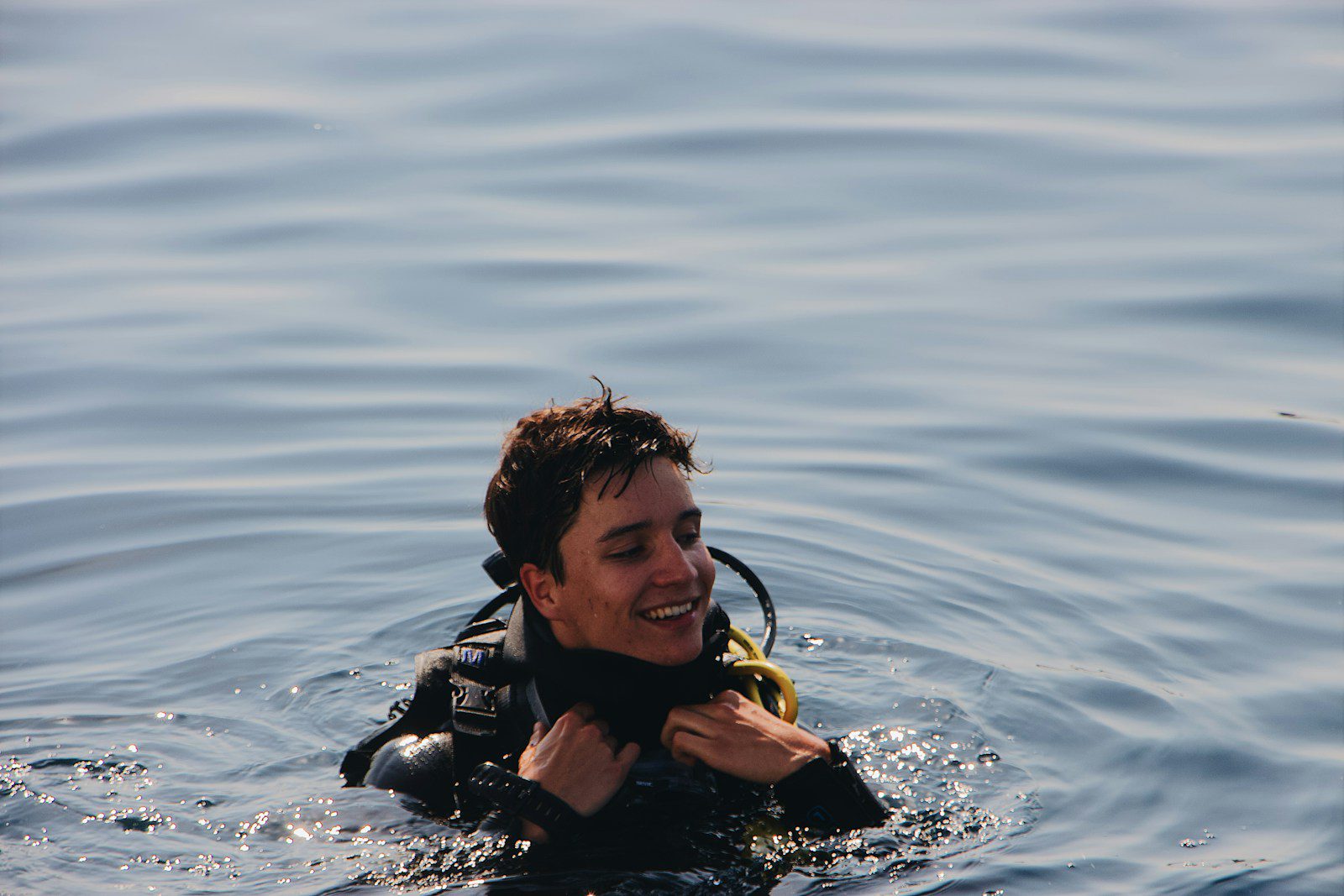
You’ll want to know what happened and why it matters — a 13-year-old swam for hours through rough seas to get help after his mother and siblings were swept offshore, and authorities later honored him for saving their lives.
He reached shore after a multi-hour swim, ran to raise the alarm, and his actions directly enabled the coordinated rescue that recovered his family.
This post will unpack how the rescue unfolded, what physical and mental factors helped him endure the ordeal, and how emergency teams organized the response once he reported the emergency.
The Rescue: How Austin Appelbee Saved His Family
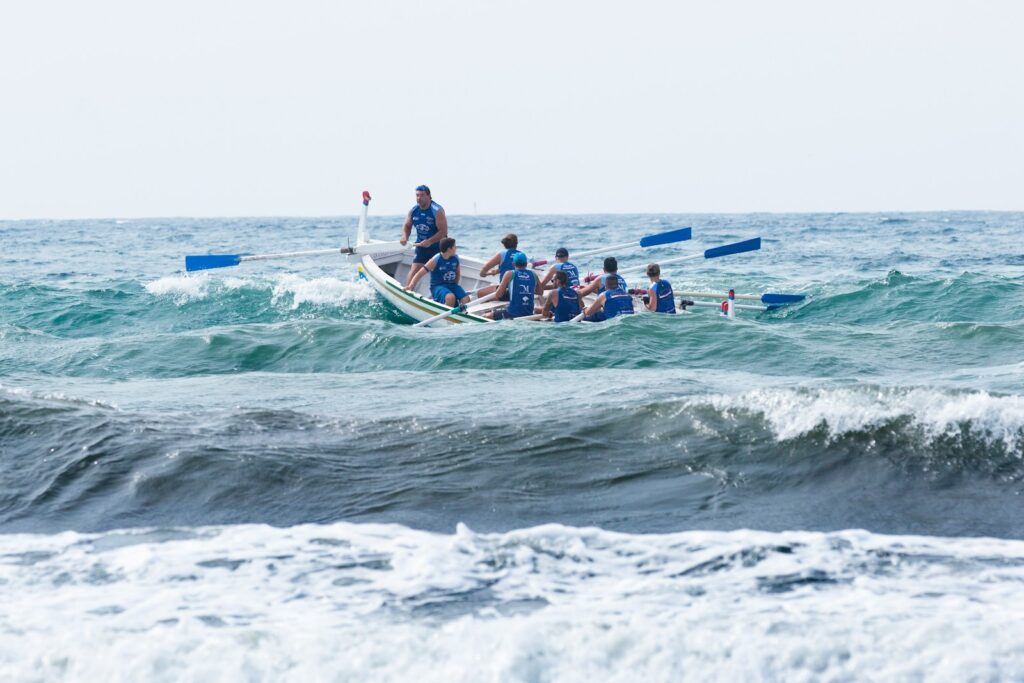
Austin Appelbee left the group, battled damaged equipment and rough water, then swam back to shore to raise the alarm. His mother and two younger siblings clung to paddleboards as wind and current dragged them far from shore.
Being Swept Out to Sea in Geographe Bay
Joanne Appelbee and her three children were using paddleboards and a kayak near Quindalup beach in Geographe Bay when wind strengthened and shifted. The family lost oars and control; the kayak began to take on water and the children drifted away from shallow water into stronger currents.
They were wearing life jackets, which helped keep them afloat but did not stop the group from being carried farther offshore. Visibility decreased as the day wore on and waves grew choppier, making it harder to signal for help or for nearby vessels to spot them.
Deciding Austin Should Swim for Help
With the family drifting and no obvious rescue vessels nearby, Joanne and the others agreed someone needed to go for help. They sent Austin out in the kayak first because he was the strongest swimmer and the most confident with the equipment.
The kayak was already damaged, though, and began flipping and losing oars. When that happened, Austin realized he could not rely on the craft. He assessed the situation quickly: the family needed assistance and the nearest help was ashore, so he chose to swim despite the distance and conditions.
The Four-Hour Swim to Shore and the Challenges Faced
Austin swam roughly 4 kilometres through cold, choppy water, battling fatigue, strong currents, and deteriorating light. He intermittently clung to the capsized kayak and later abandoned his lifejacket because it impeded forward movement in those conditions.
He kept going using backstroke, steady pacing, and mental strategies like prayer and thinking of family to endure pain and exhaustion. After about four hours he reached shore near where Joanne had packed a bag and used a phone to call emergency services, collapsing from exhaustion afterward.
Triggering the Emergency Response After Reaching Land
Once ashore, Austin managed to contact emergency services and report the family’s location and circumstances. The call prompted a coordinated search involving police and volunteer marine rescue units that traced the family’s drift path in Geographe Bay.
Rescuers found Joanne, Beau and Grace cold and exhausted but alive, about 14 kilometres from shore. Medical teams treated minor injuries and hypothermia symptoms, and officials later praised Austin’s determination for enabling the rapid response that reunited the family.
Coordinating the Rescue Effort
The response combined volunteer crews, police coordination and emergency medical checks to secure the family’s safety and document the incident. Teams prioritized locating the family, stabilizing them onshore, and confirming medical needs while recording statements for the official investigation.
Naturaliste Volunteer Marine Rescue and Their Role
Naturaliste Volunteer Marine Rescue crews launched quickly after the alarm, using their RIBs and local knowledge of Geographe Bay to search likely drift corridors. They focused on reaching the scene before darkness, working from fixed reference points and communicating continuously with control to refine search patterns.
Rescue commander Paul Bresland coordinated vessel movements and ordered priority tasks: first, assess survivors’ condition; second, tow or guide any craft to safety; third, keep a continuous radio watch. Volunteers helped recover personal flotation devices and provided blankets and shelter once the family reached shore. Their local experience shortened search time and reduced risks from changing swells.
They also liaised with police and ambulance dispatchers to provide an accurate on-scene briefing, including estimated times of arrival and number of people rescued. That briefing shaped immediate medical triage and ensured the family didn’t wait once they reached shore.
How Police and Medical Services Responded
Police Rapid Response units established a command post at the nearest accessible beach and secured the scene to allow medical teams safe access. Inspector James Bradley oversaw initial interviews and coordinated with volunteer crews to verify timelines and witness reports.
Paramedics performed on-site checks for hypothermia, dehydration, and cuts from equipment; they treated minor injuries and transported anyone needing further care to hospital. Officers recorded statements, canvassed nearby witnesses, and preserved the kayak and inflatable paddleboard as evidence to understand how currents overcame the family.
Police also relayed information to regional maritime safety authorities to log the incident and update public warnings for swimmers and small craft in Geographe Bay. That helped prevent further incidents while investigators compiled their report.
Recognition of Austin’s Heroism and Family Recovery
Authorities publicly praised the boy for his endurance and clear-headed actions after he swam to shore to raise the alarm. Police and local officials highlighted his role when briefing media, noting how his actions enabled the rapid volunteer and emergency response.
The family received immediate medical care and monitoring; none required long-term hospitalization. Community groups and the Naturaliste team offered practical support—clothing, transport, and contact with welfare services—while officers completed documentation for any follow-up safety education.
Local councils and media outlets emphasized resilience and proper safety messaging after the event, using the family’s recovery and Austin’s effort to reinforce precautions for small-craft users and beachgoers. For more on the overall rescue timeline and local reporting, see reporting by the ABC on the event.
More from Decluttering Mom: