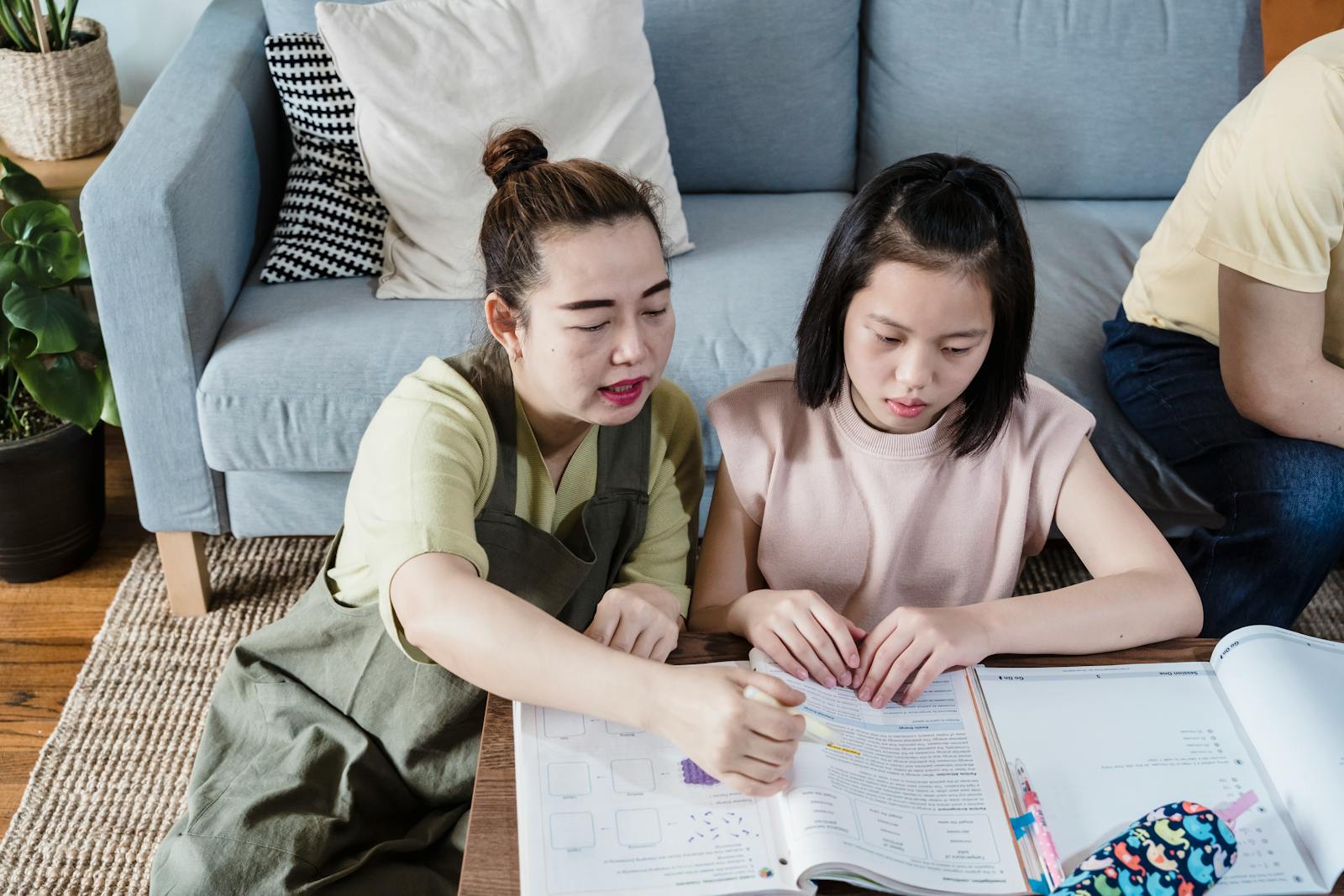
One teen felt caught off guard when her mother responded to her struggles with math in a way that mirrored years of complicated family dynamics. While the girl sought understanding, her mother’s quick shift from concern to contempt left her questioning the nature of their relationship and her role within the family.
At 18, the Reddit user on this thread detailed her experiences growing up as the daughter of immigrant parents, navigating responsibilities that seemed to fall disproportionately on her shoulders. With an 11-year-old brother to care for, she often found herself in a caretaker role, especially as her mother dealt with undiagnosed high-functioning depression and anxiety, and her father struggled with alcoholism. The teen’s early years were shaped by these dynamics, leading her to adapt her behavior to keep her mother’s mood positive. When her mother experienced a panic attack, for example, she ended up crying—not because of the event itself, but in response to her mother’s distress. This was a turning point, highlighting how deeply intertwined their emotional states had become.

The situation escalated in her teenage years when she faced strict limitations regarding social outings and friendships. Her obligations at home grew, forcing her to prioritize her brother’s needs over her own. While she excelled academically, achieving honors and spots in top universities, math continued to stump her. Despite repeated attempts to conquer her math anxiety—considering she might have a learning disability—her mother’s support quickly soured once the topic arose. Instead of offering reassurance, she questioned whether something was wrong with her daughter, pointing to the potential stigma of being placed in a Learning Support room.
Interestingly, the mother had been supportive of the younger brother, who was undergoing evaluations for ADHD and learning disabilities. This juxtaposition in parental treatment didn’t go unnoticed. As the teen opened up about her struggles, she seemed to have anticipated encouragement or at least recognition of her challenges. Instead, she received a reminder of how conditions were viewed differently within the family. The effort to seek help was not met with understanding; it prompted a defensive response instead.
People had very different reactions to her account. Some commented that this dynamic often stems from parents placing unrealistic expectations on their “golden child,” leading to a cycle where support is contingent on performance. Others pointed out that the mother’s own struggles with mental health might contribute to her inability to respond effectively to her daughter’s vulnerabilities. Many empathized with the teen’s predicament, acknowledging the pressure to succeed while navigating the complex family landscape.
Some suggested that breaking out of this parentified role requires setting boundaries. The teen’s academic achievements highlighted the immense pressure she felt to constantly perform, and the fear of disappointing her parents lingered. Others mentioned that it could be beneficial to seek therapy, not just for her academic challenges but also to unpack the years of emotional labor she had taken on within the family. The complexity of being a high-achieving student overshadowed by familial expectations was a concern shared by many in the thread.
In the wrap of the discussion, the teenage girl expressed her love for her mother while grappling with the confusing aspects of their relationship. This love seemed to coexist with frustration over her mother’s inability to comprehend the weight of her struggles. The tension between wanting to support her family and the longing for independence pulled at the teen, leaving her in a space where clarity felt elusive.
In the end, the conversation raised questions about parental expectations, support systems, and the balance of care within families. Why do some parents respond with contempt rather than compassion when their children reveal struggles? And how does a child navigate these murky waters while also trying to define their own identity? The lingering uncertainty resonated throughout the thread, prompting readers to reflect on similar dynamics in their own lives.
More from Decluttering Mom: