When a teenager was faced with sharing a room with her engaged father’s triplet toddlers, she didn’t hold back her frustration. At just 16 years old, she was caught off guard when her dad and his fiancée, Hanna, announced their plan: she would have to give up her spacious room to accommodate the three toddlers, who are just two years old. This arrangement left her feeling overlooked and frustrated, especially considering her limited time at her dad’s house.
The teenager primarily lived with her dad but spent every other weekend, plus occasional visits, at her mom’s place. Her father and Hanna had decided that the older kids, ages 7 and 9, should have their own rooms while she would be left to share with the toddlers. This decision was made without consulting anyone else, including her. When she voiced her objections, claiming the plan was unreasonable, the adults dismissed her concerns, insisting it was more practical.
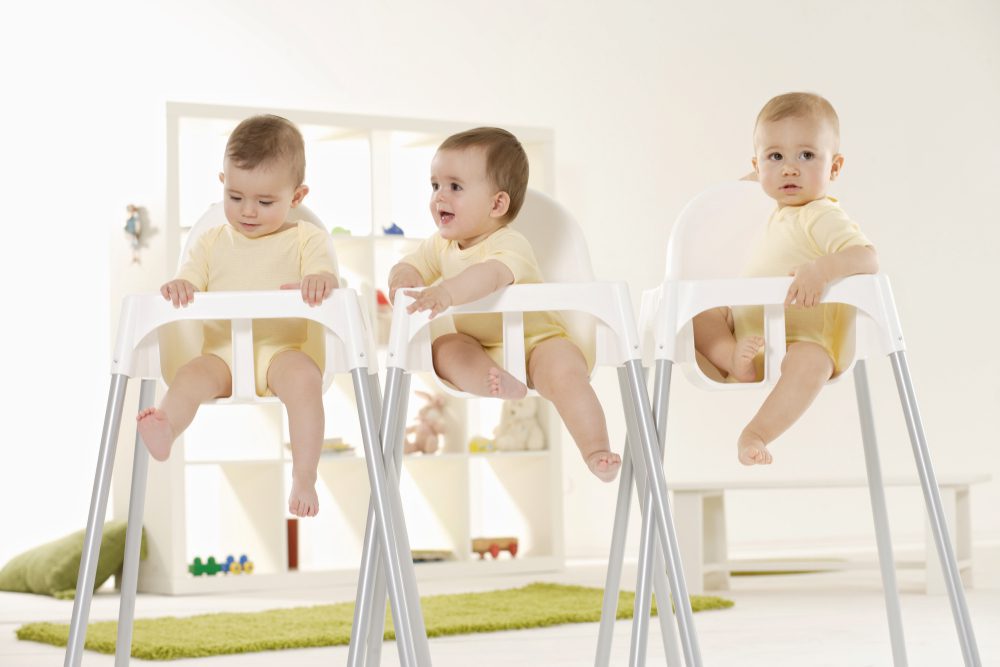
Feeling that her needs were ignored, the teen offered a reasonable compromise, suggesting that the triplets should take the bigger room and allow her to have her own space, no matter how small. But her father and Hanna insisted that moving her belongings was too much trouble. They questioned her frustration, primarily because her time spent at the house was minimal. To express her dissatisfaction, she threatened to change her custody arrangement and stay with her mom full-time if things didn’t change.
This ultimatum turned the situation even more complicated. The teen’s refusal seemed to take Hanna by surprise, making her emotional during the discussion. Rather than being understood, the teen felt pressured to apologize and was even told she couldn’t speak to Hanna until everything was resolved. The teen was left feeling guilty for wanting basic privacy and not wanting to babysit three toddlers.
In the aftermath, she stayed with her mom while the adults tried to figure things out. Encouraged by her mother, she considered making the custody arrangement formal. The situation drew various reactions on Reddit, with users quickly weighing in on the dynamics at play. Some pointed out that the adults were trying to push her into a babysitting role without any consideration for her feelings. Others said it wasn’t fair to expect her to sacrifice her comfort for the sake of blending the families.
Responses highlighted the tension between parental responsibilities and children’s needs. Many commenters felt that the teen was justified in her reaction. They noted that asking a teenage girl to share a room with toddlers seemed unreasonable at best. Others remarked that Hanna might have been more interested in having her children and stepchildren coexist peacefully without realizing the practical implications of such decisions.
As the discussion unfolded, the teen updated her post a few days later. The adults had not changed their minds, and she decided to live with her mom long-term, planning to switch the custody arrangements. It appeared that her father’s desire to keep things harmonious with his fiancée outweighed his daughter’s needs. She was prepared to sleep on the couch when visiting her father, further indicating her discomfort with the situation at home.
Fast forward to over a year later, the teen shared another update, revealing she still resided with her mother and enjoyed that choice. However, her relationship with her father and Hanna had soured. Hanna apparently still harbored negative feelings toward her, causing further distance within the family. The teen only saw Hanna’s kids during the holidays and had no intention of spending weekends at her dad’s anymore. Interestingly, Hanna was expecting another child, and the older kids were now sharing a room, which made the original justification for the room assignment feel even weaker.
The entire scenario raises questions about family dynamics and the complications that come with blended households. It’s unsettling how quickly a teenager’s needs were dismissed in the name of practicality, and the long-term effects on relationships can be profound. This situation serves as a reminder of how difficult it can be to navigate family structures, especially when new partners and their children are involved. Will the teen ever be able to mend the rift with her father and his family? Only time will tell.
More from Decluttering Mom: