One tenant was caught off guard when her landlord confronted her about the dirty state of a microwave. This wasn’t just any microwave; it was in the tenant’s shared kitchen, and the accusation didn’t sit well. She had just cleaned it thoroughly hours before. The smell of curry wafting from inside made it clear that someone else had left their mark, yet her landlord was quick to assign blame. Time and again, the tenant found herself in this uncomfortable back-and-forth, insisting on her cleanliness while her landlord pointed fingers.
The tenant lived in a large house with two kitchens, one for the owners and one for the tenants. She was the first tenant to move in, quickly establishing herself as tidy and responsible. Her routine involved immediate clean-ups after meals, so she was perplexed when other roommates moved in, and the kitchen began to reflect a different standard of cleanliness. Shortly after they arrived, the landlord implemented a rotating cleaning schedule for the tenants, aiming for collective responsibility. However, the plan didn’t play out as intended.
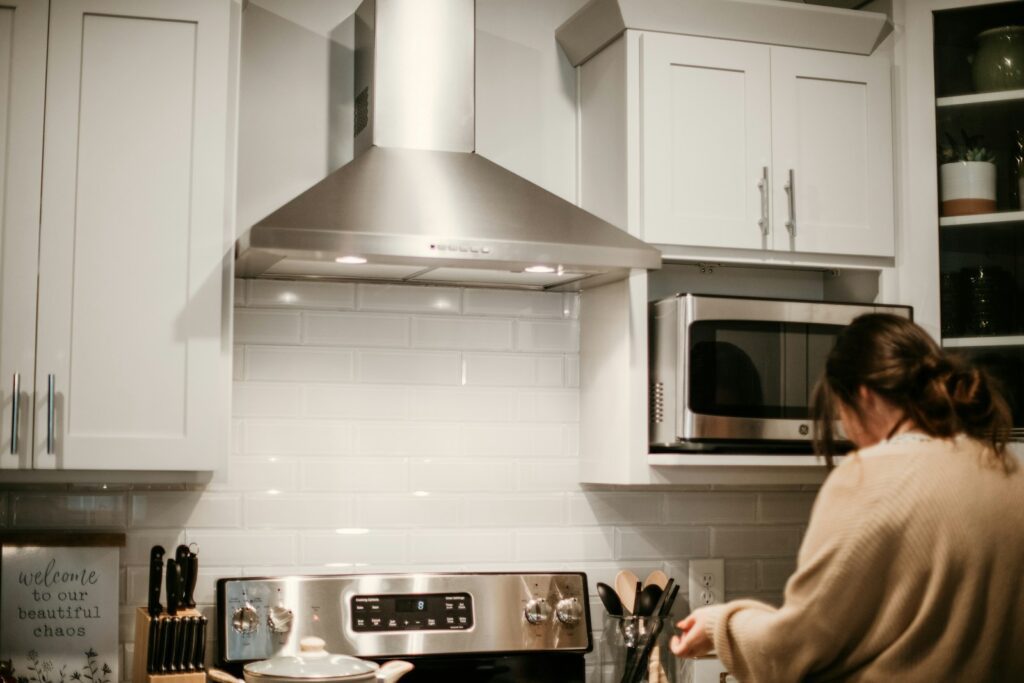
Every month, the tenant scrubbed down the kitchen as per the schedule. But soon after, the landlord accused her of negligence. The incident with the microwave was just the beginning. After an entire week away, the tenant returned to find it in disarray—curry stains that had baked into the walls from previous use. Despite her evidence from cleaning that day, the landlord didn’t accept her defense and instead reiterated her frustration. It felt especially unjust given the tenant’s efforts to maintain the kitchen’s cleanliness.
As if that wasn’t enough, the tenant soon faced similar accusations regarding the kitchen sink. Whenever the landlord visited, she delivered lectures about food scraps serving as breeding grounds for germs. One day, while recovering from a severe flu, the landlord claimed that the messy sink was responsible for her illness. That comment drew an incredulous response from the tenant, who couldn’t fathom how sink scraps could lead to viral infections. The situation spiraled as the landlord continued to point fingers, seemingly ignoring the tenant’s attempts to communicate the unfairness of the situation.
To protect herself, the tenant began taking photos. She captured the state of the kitchen after being away for a week, diligently documenting food debris and messes left behind by her roommates. Each snapshot told the story of her cleanliness versus the reality she returned to. Despite presenting the photos to the landlord, the tenant found no relief; her evidence was dismissed, and she remained the scapegoat for the entire kitchen’s negligence.
People had very different reactions to this account on Reddit. Some thought the tenant might need to sit down with her roommates and establish clearer communication about kitchen responsibilities. The idea of talking to them directly about their habits seemed like a proactive approach to many. Others pointed out that the landlord was clearly biased, focusing blame without acknowledging the tenant’s consistent efforts to keep her space clean. It raised questions about the landlord’s role in managing the household fairly.
Some users suggested gathering all tenants for a group discussion to address the cleaning schedules and set expectations moving forward. The tenant’s concerns about being blamed for the messes made by others resonated with several commenters, and many emphasized the importance of teamwork in shared living situations. After all, cleanliness is a two-way street, and everyone should contribute. Yet others felt the tenant may have to speak with the landlord outside of her role as a cleaner to clarify the unfair treatment. This could help redefine expectations more clearly.
As frustration mounted, the tenant wrestled with how to navigate a situation that increasingly felt unbalanced. Was it up to her to clean up other people’s messes? Should she continue documenting her efforts to prove her innocence? The tension was palpable, compounded by her recent illness and the landlord’s rude remarks. It left her pondering whether there was a point at which the battle for respect in shared living spaces could reach a resolution—or if the dynamic was forever altered by the landlord’s miscalculations and her roommates’ lack of accountability.
In the end, questions lingered. How does one effectively advocate for themselves while sharing space with less conscientious roommates? What recourse is available when landlords refuse to listen? It seemed there was no simple answer, and the tension in the kitchen would likely continue.
More from Decluttering Mom: