A Texas woman’s routine trip to get her clothes altered turned into an unexpected moment that sparked debate about modern tipping expectations. After the alterations worker made a comment about tips, she decided not to leave one at all, later sharing her experience online where it quickly gained attention.
The incident highlights growing frustration with tipping requests appearing in situations where gratuities were never traditionally expected. Nearly 90% of Americans believe tipping culture is out of control, according to recent surveys, with many feeling pressured by point-of-sale systems and tip prompts in places ranging from coffee shops to car washes.
The story raises questions about where the line should be drawn when it comes to tipping, especially as businesses increasingly present customers with tip screens for services that previously didn’t involve gratuities. What exactly happened during this alterations visit, and why did it strike such a chord with so many people dealing with similar experiences?
The Viral Story: Alterations, Tipping, and the Unexpected Comment
A Texas woman’s experience at a clothing alteration shop sparked widespread discussion when her attempt to leave a gratuity was met with an unexpected response from the worker. The incident highlighted growing frustrations with tipping expectations in service industries where gratuities weren’t traditionally expected.
Context Behind the Clothing Alteration
The woman had visited a local alteration shop to have a piece of clothing modified. These services typically involve adjusting garments for fit, such as hemming pants, taking in seams, or altering dress lengths. The transaction appeared routine until the payment process began.
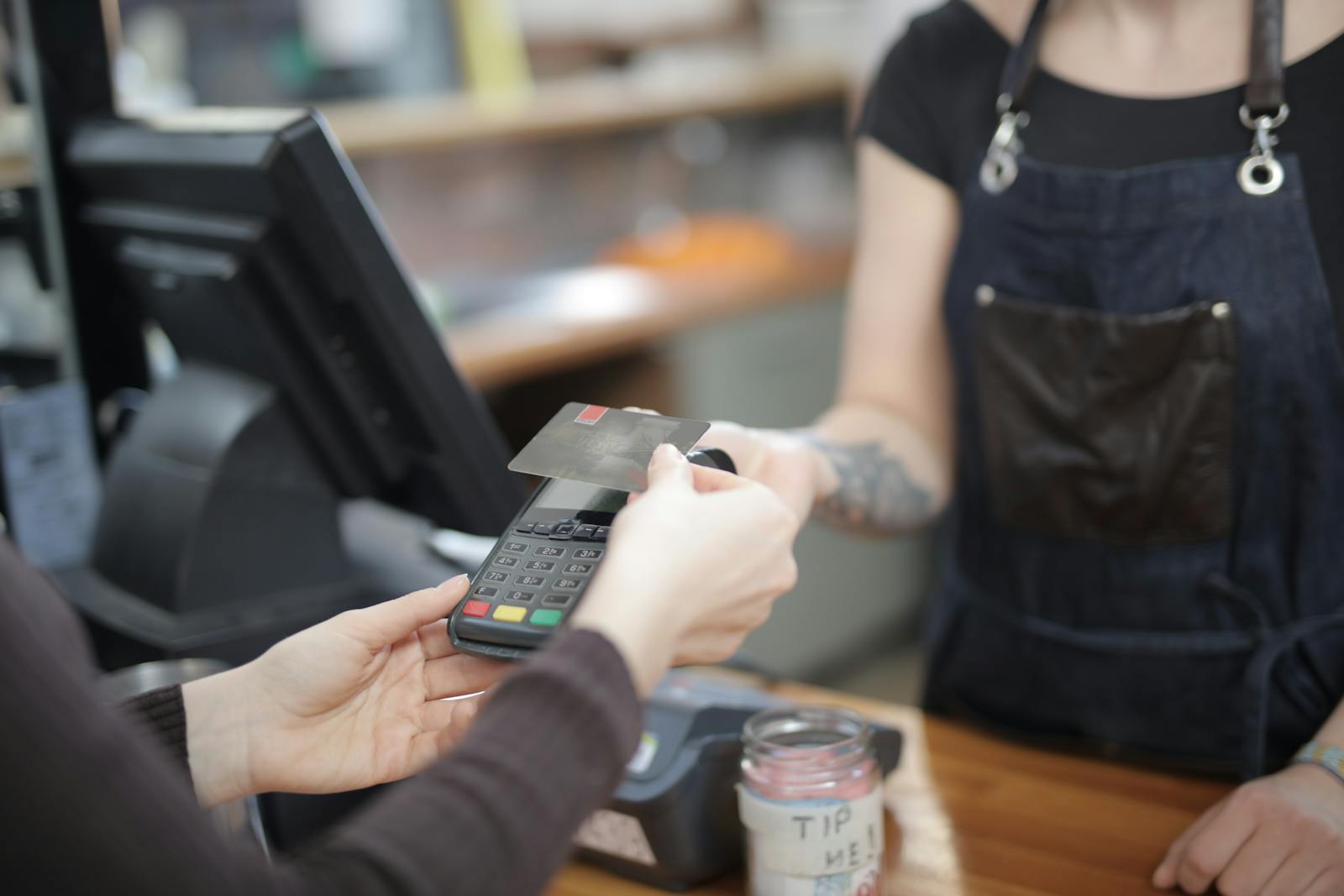
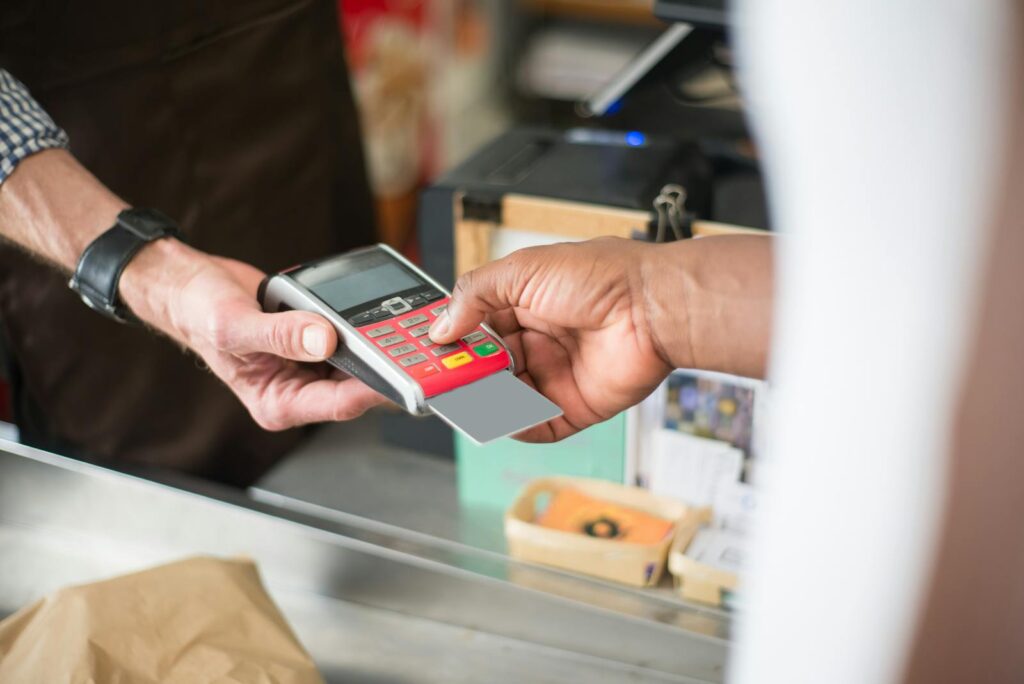
When she went to complete the payment, a tipping screen appeared on the card reader. This moment made her realize how out of control tipping culture has gotten, as alteration services have traditionally operated on a flat fee basis without gratuity expectations.
The Worker’s Remark and Its Impact
As the tipping prompt appeared, the alteration worker made a comment that caused the customer to pause. The worker’s statement apparently addressed the tipping situation directly, leading the woman to reconsider leaving any gratuity at all.
The interaction left a strong impression on the customer. She felt the encounter demonstrated how pervasive tipping requests have become across different service sectors. What was once a straightforward transaction for alterations had transformed into another opportunity for businesses to request additional payment beyond the quoted price.
Public Reactions on Social Media
The story resonated with many people who shared similar frustrations about tipping expectations. According to Pew Research, 72% of Americans now expect percentage amounts to appear on screens immediately after swiping their cards.
Many commenters expressed relief that someone publicly acknowledged the issue. They shared their own experiences with tipping prompts appearing in unexpected places like retail stores, self-service kiosks, and professional service appointments. The conversation reflected broader concerns about wage structures and whether customers should be responsible for supplementing employee income through gratuities in industries where tipping wasn’t previously customary.
Tipping Culture in the U.S.: Changing Perspectives and Tech’s Role
Around 72% of U.S. adults say tipping is expected in more places today than five years ago, while digital payment systems and emerging technologies have transformed how Americans encounter tip requests.
How Tipping Norms Are Evolving
The landscape of American tipping has shifted dramatically. What once represented a reward for exceptional service is increasingly viewed as an obligation. The term “tipflation” has emerged to describe this phenomenon.
Only about a third of Americans say it’s easy to know whether or how much to tip for various services. When it comes to sit-down restaurants, 57% of people say they’d tip 15% or less for an average meal, with just a quarter willing to tip 20% or more.
The confusion extends beyond restaurants. About 92% of diners tip at sit-down restaurants, but only 25% tip when buying coffee and just 12% tip at fast casual establishments. Around 40% of Americans oppose businesses suggesting tip amounts on bills or checkout screens, while 72% oppose automatic service charges regardless of group size.
Technology, ai chatbots, and Tipping: The Generative AI Connection
Digital payment platforms have fundamentally altered how tip requests appear to customers. Checkout screens now present preset tipping options, making it harder for consumers to decline. The expansion of these systems coincides with growing frustration about where tips are expected.
Generative AI and AI chatbots are beginning to enter service industries, raising questions about tipping’s future. As businesses explore AI-powered ordering systems and customer service tools, the traditional relationship between human service workers and tips becomes less clear. Some establishments are testing AI chatbots for taking orders, though the technology hasn’t yet eliminated the expectation to tip human workers who fulfill those orders.
The intersection of tipping culture and AI remains largely unexplored territory, with most Americans still navigating the more immediate challenge of knowing when to tip human workers.
Voices Driving the Conversation: deepmind, sam altman, and ai research
While tech leaders like Sam Altman and organizations such as DeepMind focus on advancing AI capabilities, their work hasn’t directly addressed tipping culture’s transformation. AI research continues to push boundaries in automation and service delivery, but the hospitality industry’s tipping structures remain largely unchanged by these developments.
Experts note that American tipping culture is more deeply entrenched than ever, despite technological changes. The disconnect between AI advancement and service industry practices suggests that cultural norms around tipping may persist regardless of technological innovation. For now, the debate centers on human interactions and payment expectations rather than AI-driven disruption.
More from Decluttering Mom: