You wake up wanting a quick breakfast and expect the usual fast-food scramble. Instead, a Texas woman bit into a Sausage McGriddles and found fragments that looked like teeth, and that moment turned a routine meal into a public health alarm.
If true, the discovery raises urgent questions about how the fragments got into the sandwich and what steps McDonald’s and regulators must take to prevent similar incidents. You’ll follow the unfolding details, reactions, and what food-safety experts say about contamination risks and customer remedies.
Texas Woman’s Shocking Discovery in Sausage McGriddles
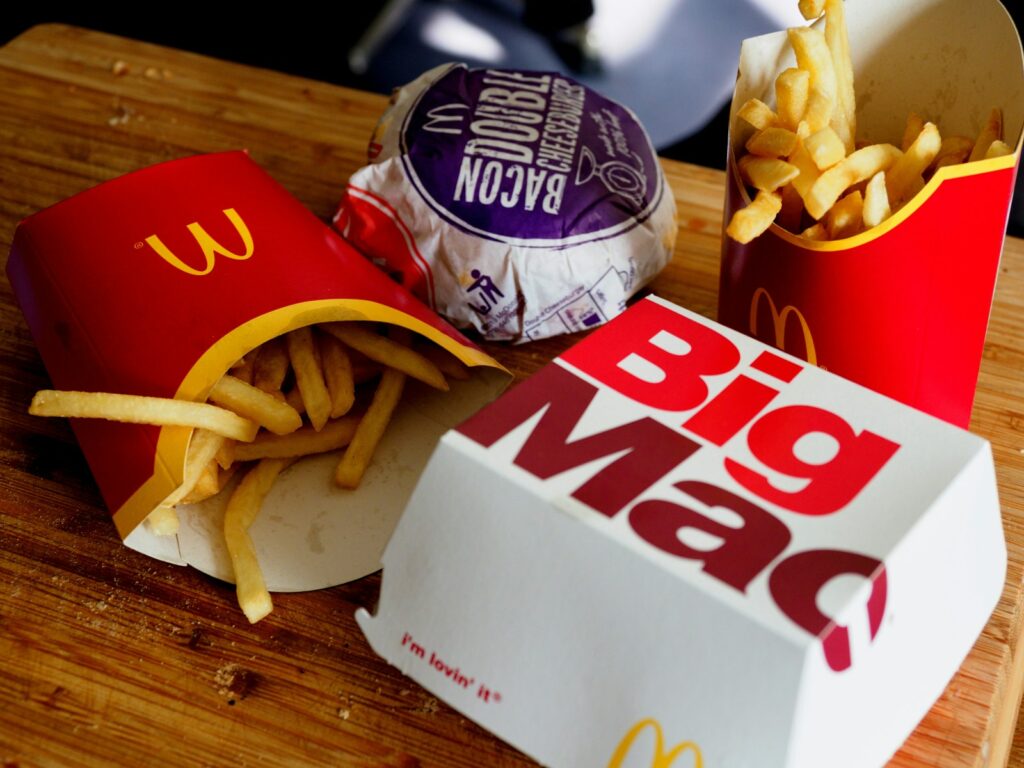
A Texas woman said she bit into a Sausage McGriddles and found what she described as teeth fragments, then posted about it on TikTok where the claim went viral. Her video shows the sandwich and her reaction, and the story sparked debate about food safety, hygiene, and McDonald’s handling of customer complaints.
How the Teeth Fragments Were Found
She recorded a short TikTok on January 31, 2025, after taking a bite and noticing hard, tooth-like pieces in the sandwich. The clip shows her inspecting the Sausage McGriddles and describing the fragments; she said she became too scared to finish the meal.
She reported the incident publicly rather than immediately to the restaurant in the video. The item involved was the Sausage McGriddles breakfast sandwich, a product described on McDonald’s site as maple griddle cakes with a sausage patty. The woman’s account prompted viewers to ask whether she had returned to the restaurant or contacted corporate.
Reactions from the Public and Social Media
The TikTok post quickly drew reactions across platforms, with many users expressing disgust and others urging caution about viral claims. Comments ranged from skepticism and calls for evidence to personal anecdotes about finding foreign objects in fast food.
The story circulated beyond TikTok to news aggregators and social feeds, including posts on Facebook where users shared the video and debated its authenticity. Some commenters urged the woman to file a formal complaint with the restaurant or health authorities; others suggested the fragments could be nonhuman debris or manufacturing contaminants.
Other Reported Incidents at McDonald’s Locations
Similar viral claims about foreign objects in fast-food items have appeared in the past, including reports of hair, plastic, or metal pieces in sandwiches. One widely circulated case involved a Texas customer alleging teeth in a meal at a different restaurant, which fed public concern about food-handling practices.
McDonald’s maintains standardized food-safety procedures and provides channels for customers to report complaints to local restaurants and corporate. When incidents arise, restaurants typically offer to investigate, request the item be returned, and may involve local health departments if contamination is suspected. For more on the original TikTok and coverage of the claim, see this report on the incident.
Teeth Fragments in Fast Food: Fact, Fiction, and Food Safety Concerns
People worry when foreign objects appear in food, especially if those objects look like teeth. Reports and investigations show a mix of confirmed isolated incidents, probable animal bone fragments, and viral exaggeration.
Are There Teeth in Chicken Nuggets?
Customers sometimes believe hard white fragments in processed chicken are teeth. In most cases, food lab tests or company investigations identify those fragments as bone or dental material such as fillings or prosthetic pieces, not intentionally added human tissue.
Ground poultry can contain small calcified fragments from bones if trimming or deboning misses tiny pieces; modern processors use metal detectors and visual inspection to reduce that risk.
Regulators and companies treat any suspected foreign object seriously. They typically quarantine the sample, send it for lab analysis, and review CCTV and production records to determine how the fragment entered the product.
Notable Cases: Siena Mochrie and Others
Several widely shared incidents drew media attention and mixed conclusions. For example, reports have mentioned fragments identified as “dental material” in a McDonald’s burger in Japan and other isolated findings submitted for analysis.
Individual creators like TikTok users have also posted discoveries—some later supported by testing, others remaining unverified or reclassified as non-human material. Siena Mochrie’s name appears in online discussions tied to claims about teeth in fast food; however, public reporting around specific influencers varies and often lacks definitive lab confirmation.
Each notable case followed a similar pattern: public claim, company response, sample testing, and either apology or clarification that material was non-human or trace-level and accidental.
How McDonald’s Addresses Quality Control Issues
McDonald’s and similar chains use multiple controls: supplier specifications, incoming-ingredient inspections, metal and foreign-object detectors, and staff training on hygiene and assembly.
When customers report foreign objects, stores typically remove the item from circulation, preserve it, and escalate to corporate food-safety teams. The company may send fragments to independent labs and offer refunds or compensation while investigating.
Public statements generally emphasize isolated incidents and corrective steps—such as retraining staff or inspecting equipment—rather than systemic contamination.
The Role of Viral Rumors and Online Misinformation
Social platforms amplify shocking claims quickly, which increases public fear before lab results appear. Viral posts may omit lab findings or use emotional language that implies a pattern where none exists.
Misinformation sometimes links unrelated events or repeats old satirical claims—like hoaxes that falsely allege human tissue is routinely used in fast food. These narratives spread faster than formal corrections.
Readers should look for independent lab results, company investigations, or reputable fact-checks when assessing such claims, and treat single unverified videos as preliminary until authorities report findings.
More from Decluttering Mom: