A lot of toy storage looks nice in photos and fails almost immediately in real life.
That is usually the problem. Moms spend money on cute baskets, matching bins, or one big storage unit, and the room still ends up covered in cars, dolls, blocks, and random little pieces by the end of the day. The issue is not always that there is not enough storage. It is that the system does not make sense for the kids who are supposed to use it.
That is why the cheapest storage ideas are often the ones that work best. When cleanup is simple, visible, and easy to reach, kids are far more likely to actually do it. And when the pieces are low-cost, moms can build a system that fits the house they really live in instead of chasing a picture-perfect setup that does not hold up.
For moms looking for budget toy storage ideas for moms, the goal is not making the room look fancy. It is making cleanup easier, faster, and realistic enough to keep using every day.
Cheap bins usually work better than “pretty” storage
One of the biggest mistakes in toy organization is relying on storage that looks good but slows everything down.
Kids do better with open bins, shallow baskets, and containers they can use without help. When a child can clearly see where the dolls go, where the blocks go, and where the toy cars go, cleanup feels like a short task instead of a confusing one. That matters much more than whether every container matches.
Low-cost plastic bins, small baskets, and basic tubs work because they are light, easy to pull out, and easy to toss things back into. You do not need a giant furniture piece to make a room feel less chaotic. Sometimes a few cheap containers placed in the right spots do more than an expensive toy shelf that turns into one big dumping zone.
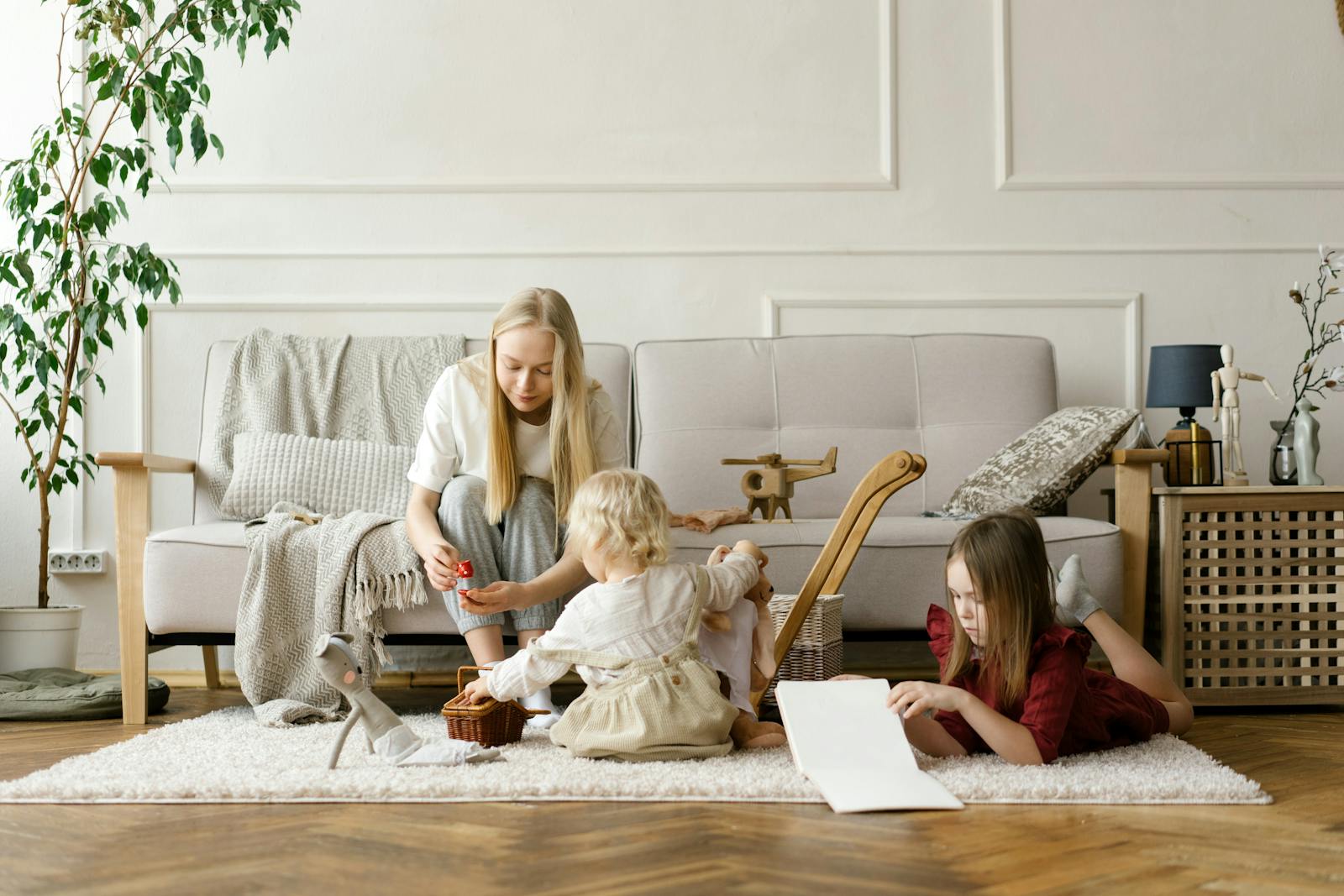
The other win is flexibility. Cheap bins can move with the mess. A basket near the couch can catch the toys that always end up in the living room. A small bin in the bedroom can hold bedtime books or stuffed animals. A tray near the dining area can keep crayons and coloring supplies from taking over the table.
That is usually what makes a system stick. It matches the way the family already uses the space.
The real trick is giving every kind of toy a zone
Most cleanup problems are actually zone problems.
When everything is supposed to go “back in the playroom,” that is too vague for most kids. But when there is one bin for trains, one basket for soft toys, one tray for puzzles, and one wall pocket for books, the job becomes much easier to understand.
Kids clean up better when they do not have to make too many decisions.
That is where labels help. Word labels are great for older kids, but picture labels are often even better for younger children. A photo or simple image on the front of a bin tells them exactly what belongs there without needing a long explanation every night. It also helps keep the system consistent, which is what stops moms from having to reorganize the same mess over and over.
Zones also make it easier to keep small spaces under control. Instead of one oversized toy area swallowing the entire room, you create smaller homes for different categories. Books near the reading corner. Craft supplies near the table. Bath toys in the bathroom. Outdoor toys near the door. That small shift makes the whole house feel less overrun.
Lazy Susans and trays fix the small-stuff problem fast
The toys that create the most visual mess are often not the biggest ones. They are the little things.
Tiny figurines, crayons, puzzle pieces, hair accessories, pretend-play food, and random craft supplies are what make a room look out of control in about five minutes. That is why trays and turntables can be so useful.
A cheap tray can turn a messy pile into one contained activity zone. Instead of markers, glue sticks, and stickers spreading across the whole table, they stay on one surface that can be lifted and put away quickly. Even when the tray is still out, it looks more controlled than loose clutter everywhere.
Lazy Susans help for the same reason. They work especially well for art supplies, little dolls, mini cars, and all the small things kids want to grab quickly. When everything is visible and easy to spin toward them, kids are less likely to dump out an entire bin looking for one thing.
That matters during cleanup too. It is much easier to reset one tray or one turntable than sort through a mixed pile of tiny pieces at the end of the day.
Wall bins and vertical storage save small rooms
When moms are short on floor space, the best solution is usually not buying more furniture. It is using the wall.
Wall bins, hanging baskets, over-the-door organizers, and mounted pockets can hold surprising amounts of toys without making a room feel more crowded. They work especially well for stuffed animals, dress-up items, books, and lightweight toys that do not need deep storage.
This is one of the smartest ways to make a living room corner, shared bedroom, or small play area function better. Instead of spreading storage outward, you move it up. That leaves more floor space open and makes cleanup feel less like squeezing one more thing into an already packed room.
It also helps kids see their options faster. A toy is more likely to get put away when the storage is visible, reachable, and easy to use.
The best systems are the ones kids can actually maintain
That is really the difference between storage that works for a week and storage that keeps working.
If a system depends on perfect folding, careful stacking, or a parent doing most of the reset, it probably will not last. But if it uses cheap bins, simple labels, easy zones, trays for small items, and vertical storage where needed, kids have a much better chance of keeping up with it.
That is why these budget toy storage ideas for moms make so much sense. They are not about making the house look like a showroom. They are about making everyday cleanup less frustrating, less expensive, and much more doable for the people actually living there.
More from Decluttering Mom: