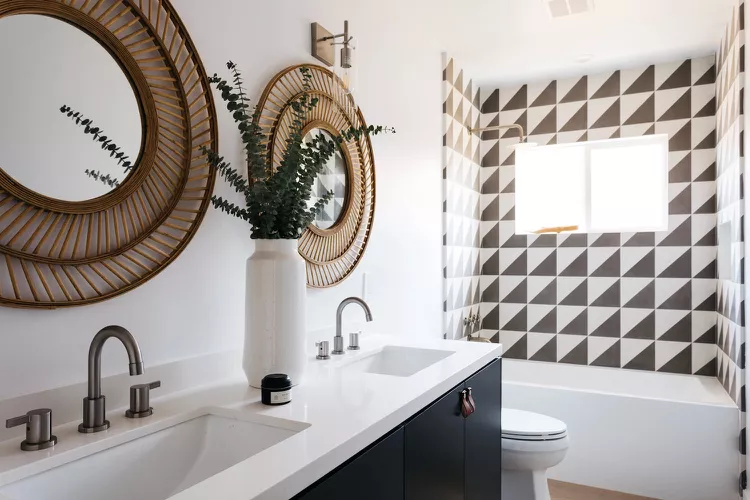
Bathroom design is quietly shifting toward one big goal: cutting your cleaning time without sacrificing style. Instead of ornate finishes that demand constant scrubbing, designers are leaning into streamlined layouts, smart storage and low-maintenance materials that keep grime from building up in the first place. The result is a new kind of bathroom trend, where every choice, from the toilet to the tile, is judged by how easy it is to wipe down.
If you are planning a renovation or even a small refresh, you can tap into the same thinking. By focusing on wall-hung fixtures, grout-light surfaces, clutter-free counters and touchless tech, you turn the room you dread cleaning into one of the simplest spaces to maintain in your home.
The rise of the easy-clean bathroom trend
Designers are increasingly treating low maintenance as a must-have, not a bonus, and bathrooms are at the center of that shift. Instead of purely decorative choices, you are seeing layouts and fixtures that prioritize smooth surfaces, minimal joints and fewer dust-catching details, all of which cut down on scrubbing. That is the core of the bathroom trend highlighted in recent reporting, where clients are asking for spaces that look calm and luxurious but are built to stay that way with minimal effort.
One designer described how clients now want storage that actually works, rather than open shelves that become a disorganized mess, and that sentiment runs through the broader move toward practical elegance. The same reporting notes that this new bathroom trend is explicitly about making cleaning a whole lot easier, with choices like integrated storage, simple lines and durable finishes becoming standard requests from homeowners who are tired of high-maintenance spaces, as seen in coverage of the bathroom trend reshaping renovation briefs.
Why wall-hung fixtures are the star of the trend
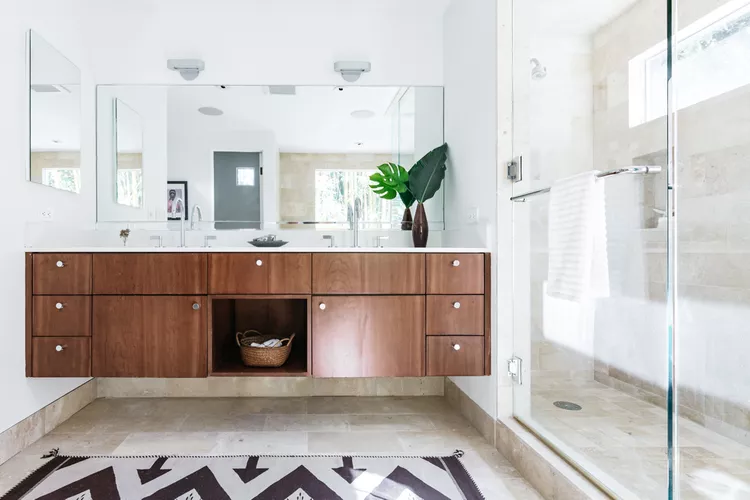
The single design move that keeps surfacing in low-maintenance bathrooms is the wall-hung fixture, especially wall-mounted toilets and vanities. When the bowl and cabinet are lifted off the floor, you eliminate the awkward nooks where dust, hair and grime collect, which makes it dramatically easier to sweep and mop. You also gain a clear line of sight across the floor, so you can see and wipe up splashes before they turn into stains.
Manufacturers and designers point out that pairing a wall-hung toilet with a concealed tank and a smooth, skirted base further reduces the number of edges you need to clean, while a floating vanity lets you run a mop or robot vacuum underneath in seconds. Guides on how to create an easy to clean bathroom design highlight wall-mounted toilets and vanities as core choices for a low-maintenance layout, noting that these wall-hung fixtures remove hard-to-reach corners and simplify floor cleaning.
Streamlined layouts that cut cleaning time
Beyond individual fixtures, the overall layout of your bathroom can either multiply cleaning tasks or quietly reduce them. A streamlined plan that keeps the shower, vanity and toilet aligned along one wall, with generous circulation space, means fewer tight corners and less opportunity for moisture to linger. Designers increasingly recommend planning the room so that water stays contained in the shower area, with a slight floor slope and a single, continuous surface that is easy to squeegee.
Some remodeling guides suggest rethinking the placement of towel hooks, toilet paper holders and storage so they do not interrupt the main surfaces you need to wipe. For example, recessing niches into walls instead of adding protruding shelves keeps bottles off ledges and makes it easier to clean around them. Advice on how to make your new bathroom easy to clean by design stresses that a simple, logical layout, like the one used in Leslie and Tony’s bathroom, reduces the number of elements you have to work around and that these design choices will reduce cleaning demands significantly.
Surfaces that resist grime: tile, grout and glass
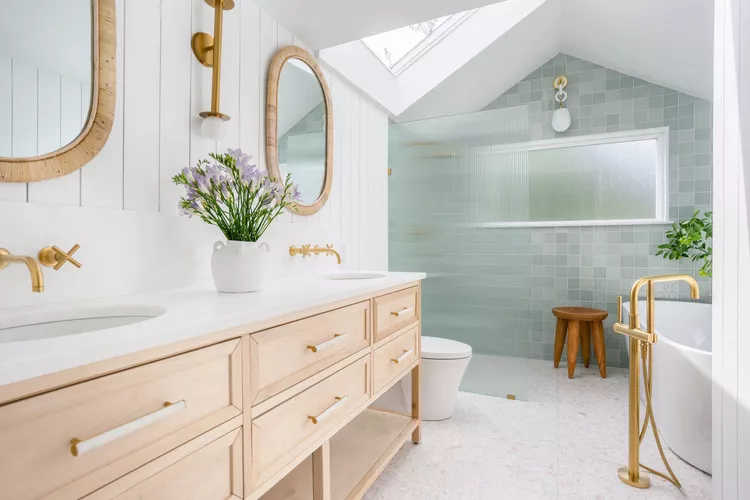
Once the layout is set, the next big decision is what you actually put on the walls and floors. The more grout lines you introduce, the more places you give mold, mildew and soap scum to cling to, which is why designers repeatedly warn against tiny tiles in a bathroom you want to clean quickly. Larger format tiles or solid surfaces on the floor and in the shower mean fewer joints to scrub and a smoother path for a squeegee or mop.
Guides to easy-to-clean bathroom design emphasize that fewer seams mean less space for mold, mildew and soap scum to accumulate, and they recommend porcelain or other nonporous materials that do not absorb stains. One detailed breakdown of easy to clean bathroom tile choices notes that continuous surfaces and minimal grout lines significantly cut down on scrubbing, explaining that fewer seams translate directly into less mildew and less work for you.
Smart fixtures: touchless taps, handheld showers and more
Hardware is another place where the easy-clean trend is showing up, with touchless taps, simple faucet profiles and handheld showerheads all designed to reduce mess. Sensor-operated fixtures mean fewer fingerprints and toothpaste smears on handles, and they also limit the amount of water splashed around the sink area. A handheld shower on a slide bar lets you quickly rinse down walls, corners and even the shower floor, which helps prevent soap scum from building up.
Several design guides highlight touchless faucets as a key upgrade, noting that getting a touchless faucet will reduce the amount of time you spend cleaning your taps and surrounding surfaces. One breakdown of easy to clean bathroom accessories points to these touchless faucet options as part of a broader toolkit that includes groutless surfaces and other low-maintenance choices. Similarly, remodeling advice that urges you to install a handheld shower underscores how a simple hose and sprayer can make it far easier to rinse away residue and keep glass and tile clear.
Storage that stops clutter before it starts
Even the most carefully chosen finishes will look grimy if your counters are buried under products, so storage is central to any bathroom that is easy to keep clean. Designers are steering clients toward deep drawers, tall cabinets and built-in niches that hide everyday items while keeping them within reach. When everything has a place, you spend less time moving bottles and baskets just to wipe down a surface, and you are less likely to end up with a messy drawer that spills onto the counter.
One set of strategies for making your bathroom easier to clean points out that clutter is one of the biggest obstacles to quick maintenance, and it suggests editing down what you keep on display so you can clear the decks in seconds. The same guidance notes that if you have the room, adding closed storage for towels and toiletries helps keep bath mats clean and fresh and reduces the amount of sweeping you need to do. These storage strategies are framed as essential if you share a bathroom and want to avoid having to sweep up daily.
Design details to avoid if you hate scrubbing
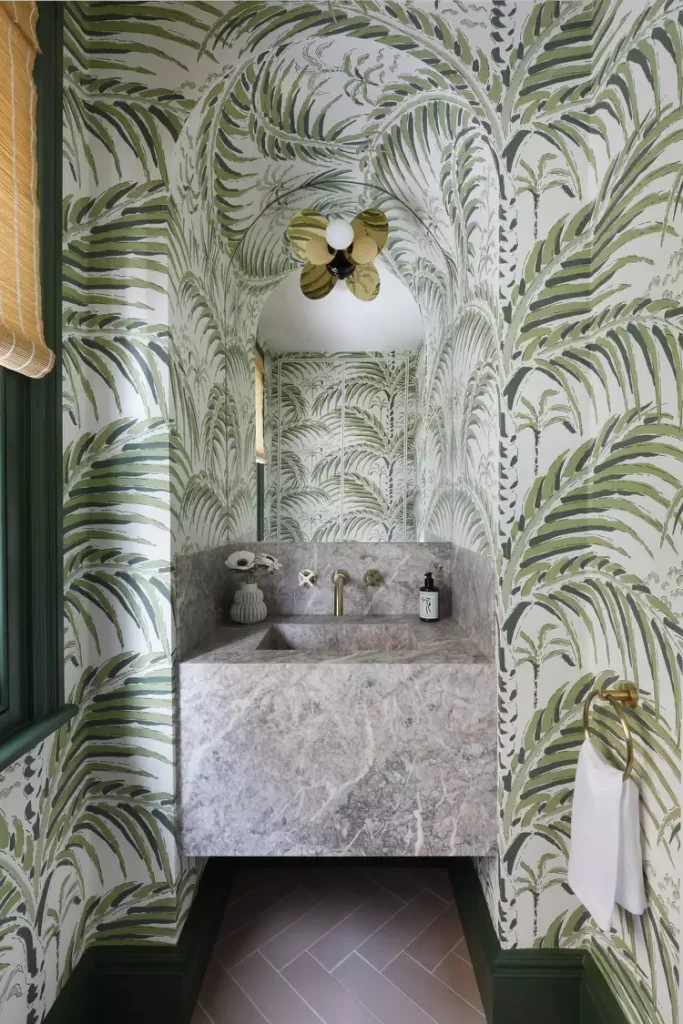
Just as important as what you add is what you skip. Certain design details look beautiful in photos but are notorious for attracting grime and demanding constant attention. Tiny mosaic tiles, ornate vessel sinks that sit on top of the counter and “living” metal finishes that patina with every splash all fall into this category. If your priority is easy cleaning, experts advise steering clear of these choices in favor of simpler, more forgiving alternatives.
Guidance on how to design a bathroom that is easy to clean spells this out bluntly, listing “Don’t pick tiny tiles,” “Ditch floating sinks,” “Avoid ‘living’ finishes” and “Pick nonporous countertops” as key rules. The same advice explains that grouted tile floors and countertops are harder to maintain than solid surfaces, and that vessel sinks create extra edges where grime can collect. By following these Don’t, Ditch, Avoid and Pick guidelines, you sidestep high-maintenance features before they become daily cleaning headaches.
Pro moves from remodelers and interior designers
Professionals who remodel bathrooms for a living tend to converge on a similar set of moves when the brief is “make it beautiful but easy to clean.” They favor solid-surface counters, simple cabinet fronts, frameless glass and minimal hardware, all chosen to reduce the number of grooves and joints that collect dust. Many also recommend a handheld shower, a wall-hung vanity and a skirted toilet as standard upgrades when clients complain about how long they spend cleaning.
Remodeling checklists that promise to make your bathroom easier to clean often start with the same advice: stick to solid surfaces instead of heavily grouted tile, choose fixtures with fewer crevices and consider finishes that resist water spots. One such guide explicitly urges you to “Stick to Solid Surfaces” because grouted tile floors and countertops are more work, and it notes that certain faucet designs simplify cleaning your faucets and taps. These Stick to Solid Surfaces recommendations line up with broader advice from designers who say every element should earn its place by being worth cleaning around.
How to bring the trend home on any budget
You do not need a full gut renovation to benefit from the easy-clean bathroom trend. Small, targeted upgrades can have an outsized impact on how long you spend with a scrub brush. Swapping in a non-touch tap, choosing a simpler shower screen, decluttering your vanity and adding a few well-placed hooks or shelves can all make daily wipe-downs faster. Even changing your color palette to warmer, softer tones can help the room feel calmer and less clinical, which makes quick maintenance feel less like a chore.
Design guides that walk through five easy to clean bathroom ideas suggest starting with accessible changes like non-touch taps, practical storage and a warm color scheme that still looks fresh. One such breakdown, introduced with “Sep” and “Here” as it lays out “Warm Color” and other strategies, shows how you can combine these moves to create a space that is both stylish and squeaky clean. Another set of bathroom remodeling ideas recommends simple upgrades like installing a handheld shower and choosing durable materials that are guaranteed for life, explaining that these Install choices save you time every week. Broader advice on designing your way to a cleaner bathroom reinforces that these Warm Color and layout tweaks are just as stylish as they are practical.
The next wave: frameless glass, floating storage and low-maintenance finishes
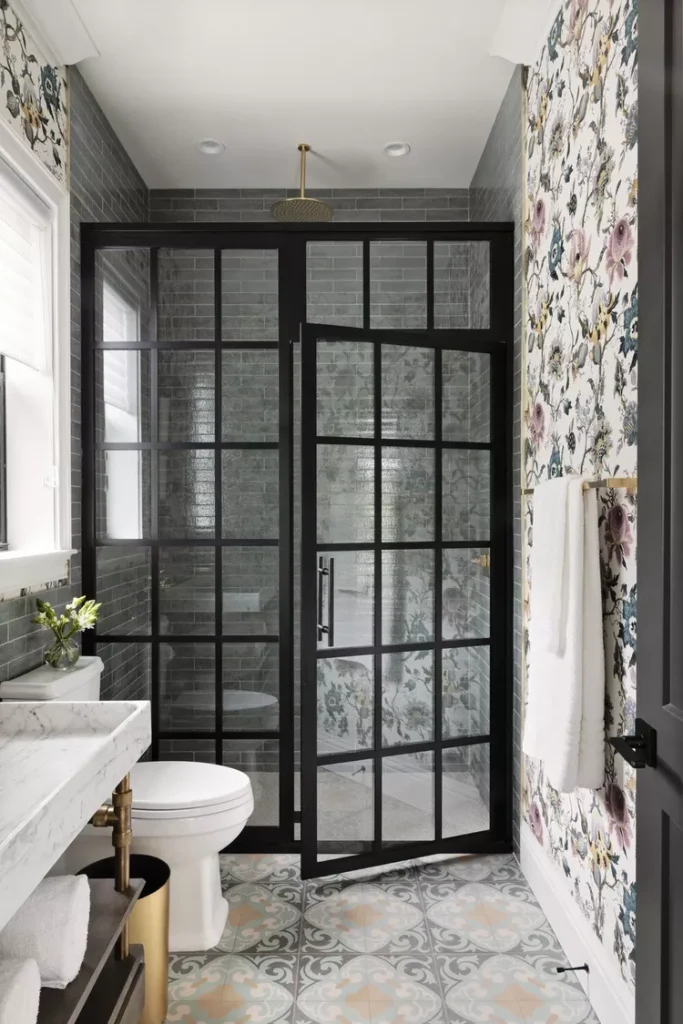
As the easy-clean mindset becomes mainstream, certain details are emerging as hallmarks of the next wave of bathroom design. Frameless glass around showers is one of them, since aluminum frames are magnets for gunk and hard water deposits. By going frameless, you trade multiple ridges and seals for a single sheet of glass that you can squeegee in seconds. Floating storage, from wall-hung cabinets to slim shelves, keeps everything off the floor so you can clean without weaving around furniture.
Design advice focused on low-maintenance bathrooms urges you to “Go frameless” and “Get everything off the floor,” arguing that every extra element should be worth cleaning around. The same guidance notes that if you choose not to wall mount certain pieces, you should at least simplify their profiles so they do not trap as much dust and gunk. These Going frameless and off-the-floor strategies are echoed in low-maintenance bathroom checklists that also highlight touchless tap fixtures and stone cladding as smart upgrades. One such overview of essential design elements for any low-maintenance bathroom explains that from small innovations such as touchless tap fixtures to larger changes like stone cladding installation, there are specific design elements you can adopt now for crafting your perfect low-maintenance bathroom.
Even if you are only swapping out a few pieces, the same principles apply. Opt for non-touch taps and sensor fixtures where you can, as highlighted in advice that calls “Non-touch taps” the real hero products in the home, and look for shower screens and finishes with a protective layer designed for everyday use. These Non-touch taps and coated surfaces, combined with the broader trend toward wall-hung fixtures and clutter-free layouts, are what turn the bathroom from the hardest room to clean into one of the easiest.
More from Decluttering Mom: