The largest ground beef recall in American history did not start with a lab test or a hospital outbreak. It started with a hidden camera, a brutal look inside a slaughterhouse, and a federal system that suddenly had to admit it had missed something huge. By the time regulators finished tallying the damage, more than 100 million pounds of meat had been swept into a recall that still shapes how people think about burgers, school lunches, and food safety.
What unfolded around the Hallmark and Westland Meat Packing Co plant in Chino, California was not just a paperwork event. It was a slow-motion shock to the supply chain, a legal and financial disaster for the company, and a wake-up call for anyone who assumed the Department of Agriculture had every step of the process under control.
The recall that exposed a broken system
The story centers on Hallmark and Westland Meat Packing Co, a facility in Chino, California that supplied huge volumes of beef to federal nutrition programs and commercial buyers. Earlier in 2008, undercover footage captured workers at the Hallmark Meat Packing plant abusing so-called “downer” cattle, animals too sick or weak to stand, and using brutal methods to force them toward slaughter, a sequence that directly violated federal rules meant to keep diseased animals out of the food chain, according to material later cited in a detailed case study. The United States Department of Agriculture, often shortened to USDA, had inspectors on site, yet the video showed that the system designed to protect consumers could be worked around in plain sight.
Once the footage surfaced, the Department of Agriculture had little choice but to act, and it moved to pull an unprecedented volume of meat off the market. Federal officials described the move as The Largest Beef Recall in U.S. History, and internal records later chronicled how the USDA scrambled to trace shipments that stretched across school cafeterias, prisons, and commercial buyers over multiple years, a scope laid out in the same Department of Agriculture review. The recall was not triggered by confirmed illness, but by the realization that cattle which had not received complete and proper inspection had already been slaughtered and sent to market, a breakdown that regulators themselves acknowledged as unacceptable.
How 143 million pounds of beef vanished from the menu
Once the alarm was pulled, the numbers escalated quickly. Federal officials announced that the recall covered products dating back to Feb. 1, 2006, all tied to the same California plant, and they stressed that the decision was driven by the fact that some cattle had not received full inspection before slaughter, a point summed up in the phrase “Because the cattle did not receive complete and proper inspection” in one account. The recall swept in beef that had already been cooked and served in school cafeterias, as well as frozen product still sitting in warehouses, leaving local officials to decide what to pull, what to destroy, and how to reassure parents.
By the time the Department of Agriculture finished counting, the recall covered 143 m pounds of meat, a figure that appears repeatedly in contemporaneous coverage and that the agency itself cited when it described the action as the largest in its history, including in a summary of the event. Local news reports echoed the same 143 m figure as they explained to viewers that frozen beef was being pulled from distribution centers and that some of it had already been eaten, a scale that one regional outlet simply described as the Largest beef recall in U.S. history. For consumers, the math was abstract, but for school districts and food banks, it translated into empty freezers and emergency menu changes.
From corporate collapse to lasting fallout
The financial hit to Hallmark and Westland was immediate and unforgiving. Analysts later noted that Hallmark and Westland Meat Packing Co effectively collapsed under the weight of recall-related costs, with the company pushed into bankruptcy as it tried to absorb the expense of retrieving and disposing of product, handling legal claims, and losing its federal contracts, a trajectory outlined in a financial review. Later breakdowns of the episode have pointed out that, while the price tag did not match the most expensive auto recalls, the Westland and Hallmark case still cost a staggering amount once lost business, legal settlements, and the broader effects of undermining industry standards were added up, as one analysis put it.
Regulators and prosecutors did not stop at the balance sheet. In 2008, Hallmark and Westland Meat Packing Co, based in Chino, California, found itself at the center of a federal case after the United States government moved to hold executives and managers accountable for the handling of downer cattle and the resulting misrepresentation of product, a chain of events that led to criminal convictions and a massive civil judgment, as detailed in one retrospective. Another account of the same period notes that Hallmark and Westland Meat Packing Co had already been closed since early Feb, after the video surfaced and before the full recall was announced, underscoring how quickly the Agriculture Department moved once the cruelty allegations became public, according to reporting on the California plant.
Why this recall still shapes how people think about beef
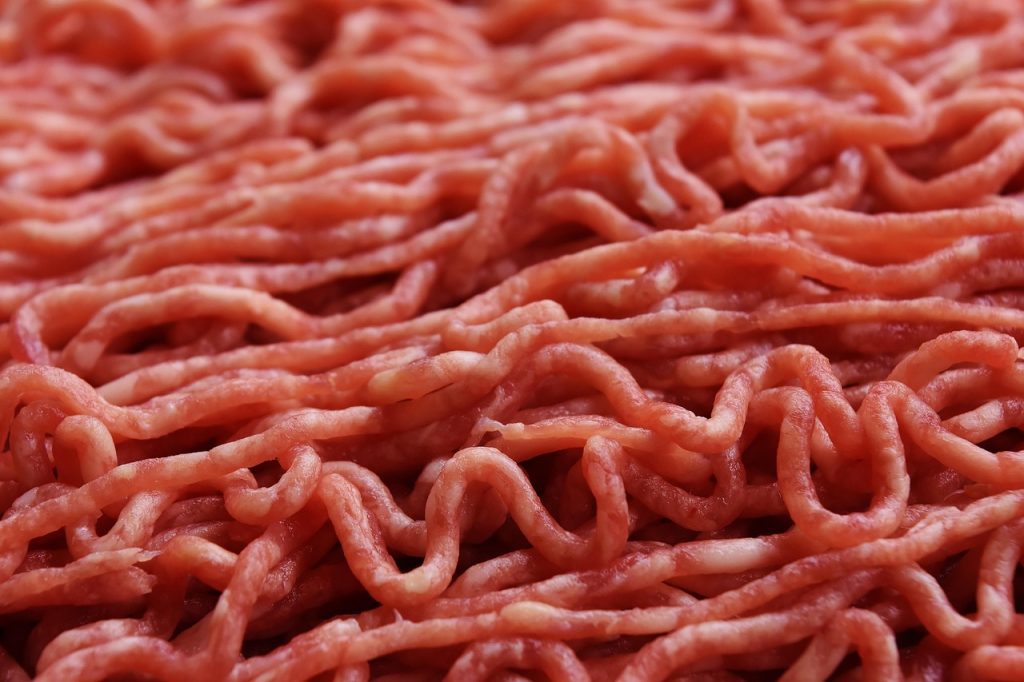
Even years later, the Hallmark and Westland episode still looms over conversations about ground beef. Food safety writers often point out that, among the meat types most likely to be recalled, ground beef consistently ranks just behind poultry in annual incidents, a pattern that reflects how grinding mixes meat from many animals and can spread any problem across huge batches, as one overview of recall trends notes. Another consumer-focused explainer on the same event reminds readers that the biggest ground beef recall in U.S. history affected over 100 million pounds of meat and that the trigger was not E. coli or salmonella, but the discovery that cattle had skipped a key inspection step, a point emphasized in a Jan recap.
The international fallout was just as real. The 2000s were already a rough decade for American beef exporters, with about 50 countries, including Japan, Korea, and Taiwan, restricting or banning U.S. beef at various points over safety concerns, a backdrop that made the Hallmark and Westland scandal even more damaging to trust abroad, as one Jan analysis of trade tensions notes. Later explainers have also highlighted how footage disseminated by the Humane Society, showing workers at the Hallmark Meat Packing facility abusing downer cattle, helped galvanize public anger and eventually pushed Hallmark Meat Packing into bankruptcy, a chain of cause and effect laid out in a Mar feature. For regulators, the episode has become a permanent case study in how animal welfare, inspection protocols, and global trade can collide in a single, very costly burger.
More from Decluttering Mom: