A buyer messages you about the dresser you listed. They want it badly, they will not argue the price, and they say they cannot come by, so they will mail you a check. A few days later, a check arrives for more than you asked. The buyer apologizes for the mix-up and asks you to deposit it, keep your price and send the extra back. It feels like an honest mistake and a chance to be a good person. It is a scam, and here is how it works.
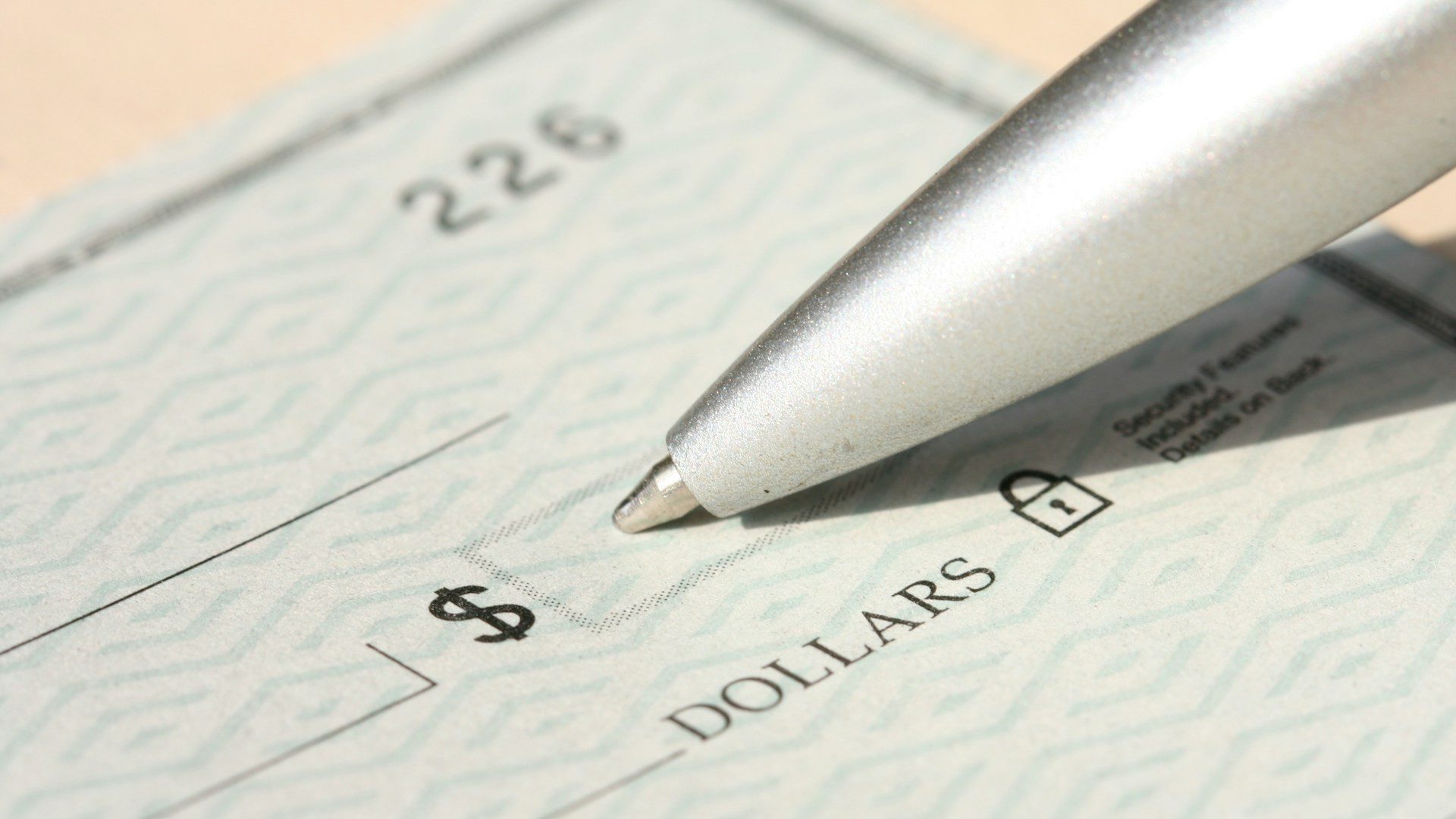
The buyer who overpays by check and asks you to send the difference back is running a trick known for years. Once you see how it works, it is easy to spot.
The Scam Step By Step
- A buyer contacts you quickly and agrees to your price, or offers even more.
- They say they will pay by check, and then the check arrives for more than the asking price.
- They give a reason. Maybe the extra is for a shipper, a mover or a “helper,” or maybe it was simply a mistake.
- They ask you to deposit the check and send back the difference, often by wire, gift card or a payment app, and often to a third party.
- Days later the bank discovers the check is fake or bad and takes the money back out of your account.
By that point, the money you sent is gone and cannot be recovered. You are out the amount you sent, and you may owe the bank for the check that bounced. If you also shipped the item, you are out that too.
Why The Bank Can Take It Back
This is the part that fools many careful people. When you deposit a check, the bank often makes the money available in your account within a short time. It can look like the money is yours. But funds being available is not the same as the check being good.
A fake check can take time to be caught. When the bank finally finds out, it reverses the deposit, and you are responsible for the loss. The check looked real and the bank let you use the money, but you are still the one who has to make it right.
Why Scammers Love This Trick
It works because it plays on kindness and fairness. Most of us want to fix a mistake and be honest. The scammer counts on that. They also add pressure, saying they need the extra money sent back right away to pay a mover or a shipper who is waiting.
The “shipper” story is a common part of the setup. The buyer says their own shipper or courier will pick up the item, and that you should pay that person out of the extra funds. Everything flows through you, and none of it is real.
Red Flags To Remember
- A buyer who pays more than you asked.
- A request to send money back, forward it to someone else or pay a third party.
- A buyer who does not want to see the item first.
- A story about a shipper, mover or agent who will handle everything.
- Payment by check or money order that arrives before you have agreed on anything firm.
- A request to send the difference by wire, gift card or payment app.
- Pressure to act fast before the check clears.
The Simple Rule
Never send money back to a buyer. If someone overpays, the right answer is to return the whole payment, to the same source, only after you have confirmed with your own bank that the money really cleared. And if it is a check, be aware that a bank saying the funds are available does not mean the check is good.
The safest move is to refuse the overpayment and decline the sale. You can simply say, “I can only accept the amount we agreed on.” If the buyer is honest, they will send the right amount. If they argue, you know what you are dealing with.
Safer Ways To Get Paid
- For local sales, ask for cash and meet in a public place.
- Use the payment tools built into the selling platform when they are available.
- Do not ship an item or hand it over until you are sure the payment is real and complete.
- If you must take a check, ask your bank how long it needs to confirm it is good, and wait.
- Keep your conversations on the platform, where there is a record.
If You Have Already Deposited A Check
Do not send anything back. Call your bank right away, explain the situation and ask them to look at the check. If you have already sent money, tell your bank or payment provider immediately, and report the scam to the marketplace and to the Federal Trade Commission at ReportFraud.ftc.gov.
Being fooled by this scam does not mean you are foolish. It means someone worked hard to take advantage of your good nature. The best defense is a calm no. You do not owe a stranger a refund on a mistake they made on purpose.
More Stories You May Like
- Woman Decluttering Her House Before Downsizing Draws a Number From One Bucket and a Room From Another to Decide Exactly What to Throw Away Each Day for Thirty Days
- Best and Worst Decluttering Methods Get Tested by One Woman Who Tried Every Single One and Ranks the Results
- Holding Onto Things Out of Guilt Feels Bad but One Woman Says It Feels Even Worse to Finally Let Them Go