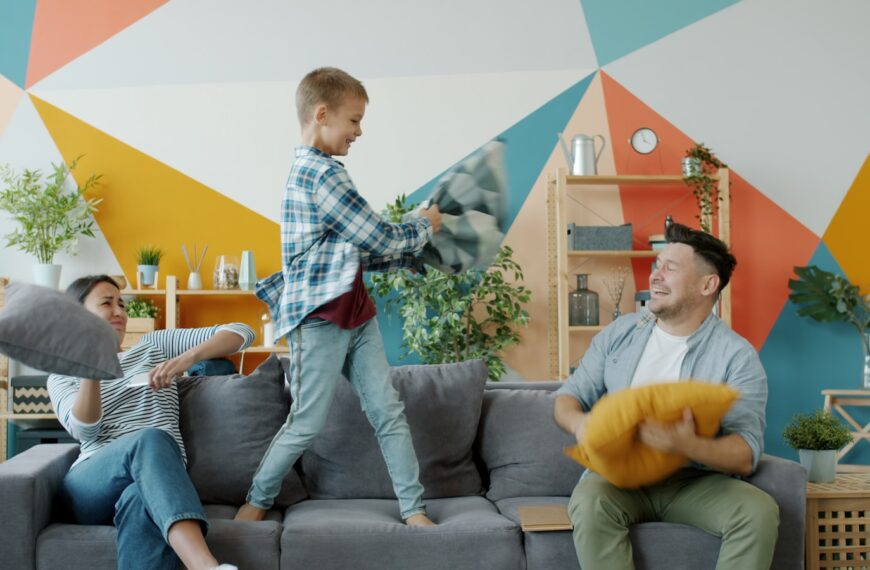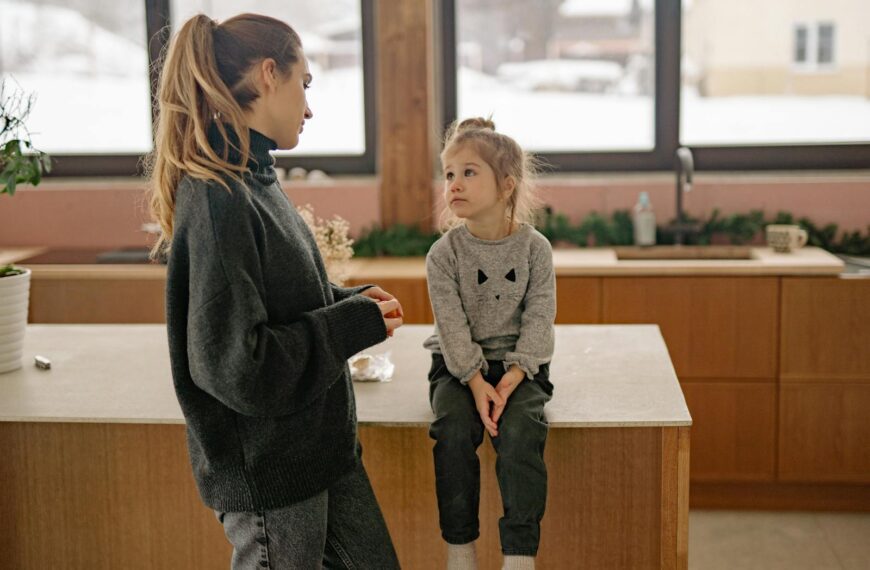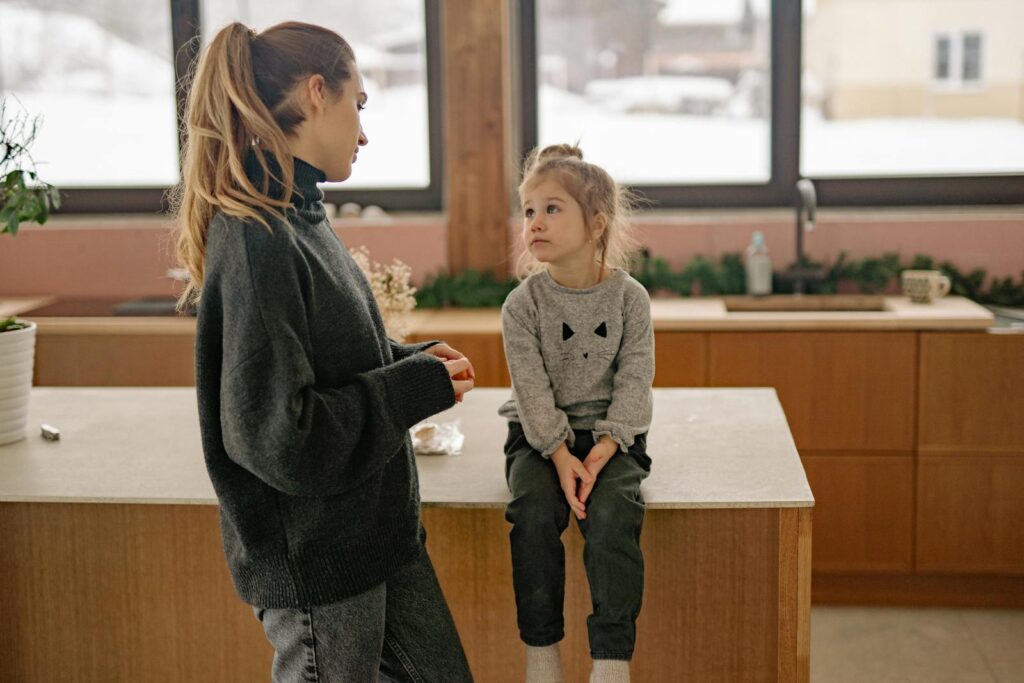
A lot of parenting stress comes from moments that seem small on the surface but explode fast in real life.
It is the meltdown when it is time to leave the birthday party. The child who falls apart because the wrong snack is on the plate. The after-school shutdown that turns one simple question into tears, silence, or yelling. For a lot of moms, those moments can feel bigger than the trigger, which is exactly what makes emotional regulation such an important part of family life.
Because most of the time, the issue is not that a child is being dramatic for no reason. It is that they do not yet have the skills to manage what they are feeling in a way that matches the moment.
That is what emotional regulation actually is: the ability to manage and respond to emotional experiences in a healthy way. And according to the source material, children who build those skills earlier tend to have fewer or less intense outbursts, stronger social skills, better academic outcomes, and lower risk of anxiety and depression later on.
That is the bigger parenting takeaway here. Emotional regulation is not some bonus skill for especially sensitive kids. It is one of the core life skills children need, and moms are often teaching it long before they realize that is what they are doing.

It starts earlier than many moms think
One reason this topic matters so much is that many parents assume emotional regulation starts once a child is old enough to talk through feelings.
But the foundation starts much earlier.
The source explains that this work begins from birth, when babies rely on caregivers to respond with warmth and structure during distress. That early support helps build a child’s later ability to self-regulate. Children under four still depend heavily on adults to help them through overwhelming emotions, and around age five they begin developing a more emerging ability to regulate on their own. By around age six, they are better able to express how they feel, say what they need, and start using strategies parents have modeled over time.
That alone shifts how a lot of moms might read difficult behavior.
A toddler’s meltdown is not proof that nothing is working. A preschooler who screams when plans change is not necessarily manipulative. A school-age child who slams a door after a hard day may not be overreacting so much as showing the exact spot where their coping skills are still catching up.
In other words, emotional regulation is developmental. Kids are not born knowing how to do this well. They learn it with support.
What emotional regulation looks like in everyday family life
In real homes, emotional regulation does not usually look like a child sitting cross-legged and calmly naming every feeling with perfect self-awareness.
It looks much more ordinary than that.
It looks like a child learning to pause before hitting. It looks like saying “I’m mad” instead of throwing something. It looks like going to their room to calm down instead of staying in the middle of the chaos. It looks like asking for help, taking a breath, recognizing when they are overwhelmed, or recovering faster after getting upset.
And for moms, it often looks like staying steady when their child cannot.
That part matters more than a lot of people realize. The source is clear that children learn emotional regulation not only from direct teaching, but also from watching how parents respond to stress. Parents who model emotionally intelligent responses give children a blueprint for what those moments can look like.
That does not mean moms have to be perfectly calm all the time. It means kids benefit from seeing repair, recovery, and healthy coping in action.
The skills kids need most
The article points to several simple but powerful emotional regulation skills children can be taught over time.
One is identifying and labeling emotions. Kids need words before they can communicate what is happening inside them. A feelings chart, simple emotion words, or regular conversations about how a day felt can all help build that awareness. Another is breathing exercises, which help children slow down physically enough to reconnect with what they are feeling. Mindfulness practices, even simple ones, can also help children notice emotions without immediately being overwhelmed by them. For older children, journaling can help them better understand where feelings are coming from and what patterns they are noticing.
These are not dramatic parenting tricks. They are small, repeatable tools that help kids build self-awareness and control over time.
And that is probably the most important thing for moms to remember: emotional regulation is built through repetition, not one perfect conversation.
Why routines, modeling, and validation matter so much
Some of the best support for emotional regulation happens in the most ordinary parts of family life.
The source highlights family meals as a natural place for kids to talk about feelings and reflect on the best and hardest parts of the day. It also points to bedtime routines as another important anchor, since sleep and consistency both affect emotional regulation in a major way.
That matters because routines make feelings feel less chaotic. Predictability gives children a sense of safety, and safety makes regulation easier.
Validation matters for the same reason. A lot of moms worry that validating feelings means excusing bad behavior, but the source makes a useful distinction: validation does not mean approving destructive actions. It means helping a child feel understood so the moment does not escalate even further.
That is a huge shift in how many families handle hard moments. Instead of jumping straight to correction, moms can start with connection. Not to avoid limits, but to make those limits easier for a child to actually hear.
What this means for moms right now
For the mom dealing with meltdowns, shutdowns, or emotions that seem wildly bigger than the moment, the most reassuring truth may be this: emotional regulation is teachable.
It takes time. It takes patience. It takes practice. It takes adults who are willing to model what calm recovery looks like, even when family life feels messy and loud.
But it does not require perfection.
What kids need most is not a mom who never gets frustrated. They need a mom who understands that these big emotional moments are often part of the learning, not proof that something has gone wrong. Emotional regulation skills for kids are built in ordinary family life, one repeated moment at a time, until a child slowly learns how to recognize what they feel, express it more clearly, and move through it without falling apart every time.
And for a lot of families, that is the skill that changes everything.
More from Decluttering Mom: