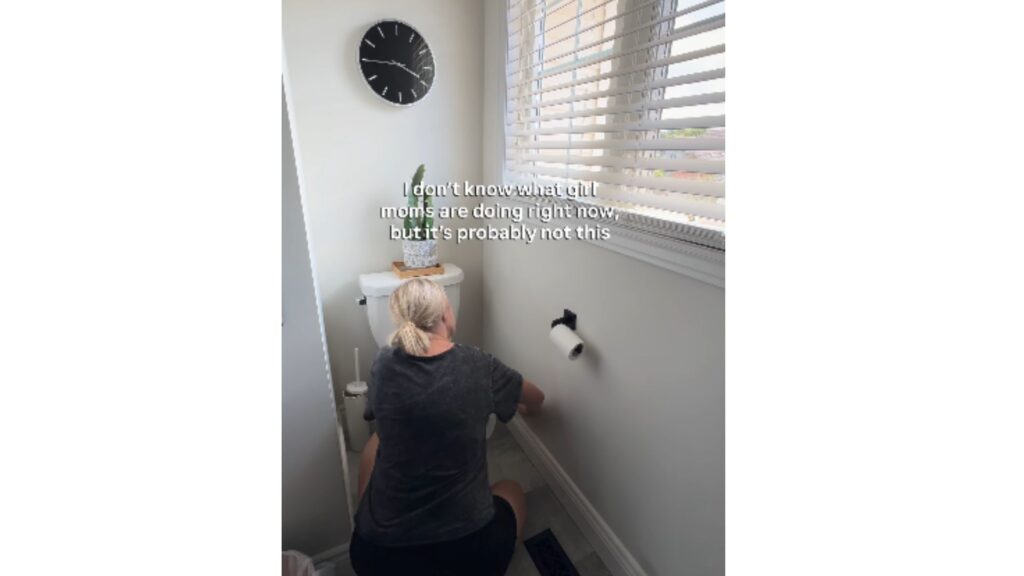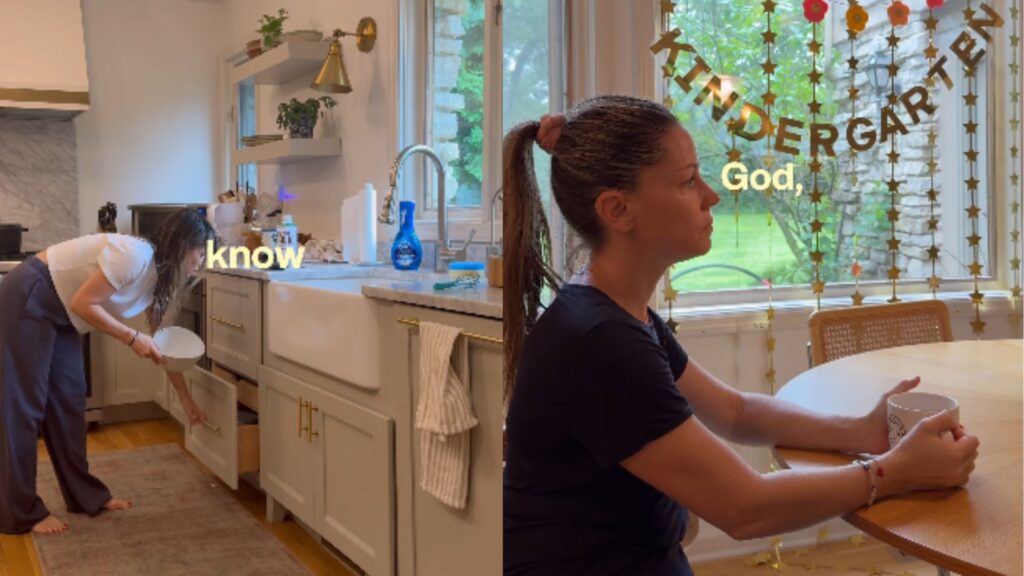
Becoming a parent has a way of rewriting how you see your own childhood, and a video from @annakentley captures that exact shift in real time.
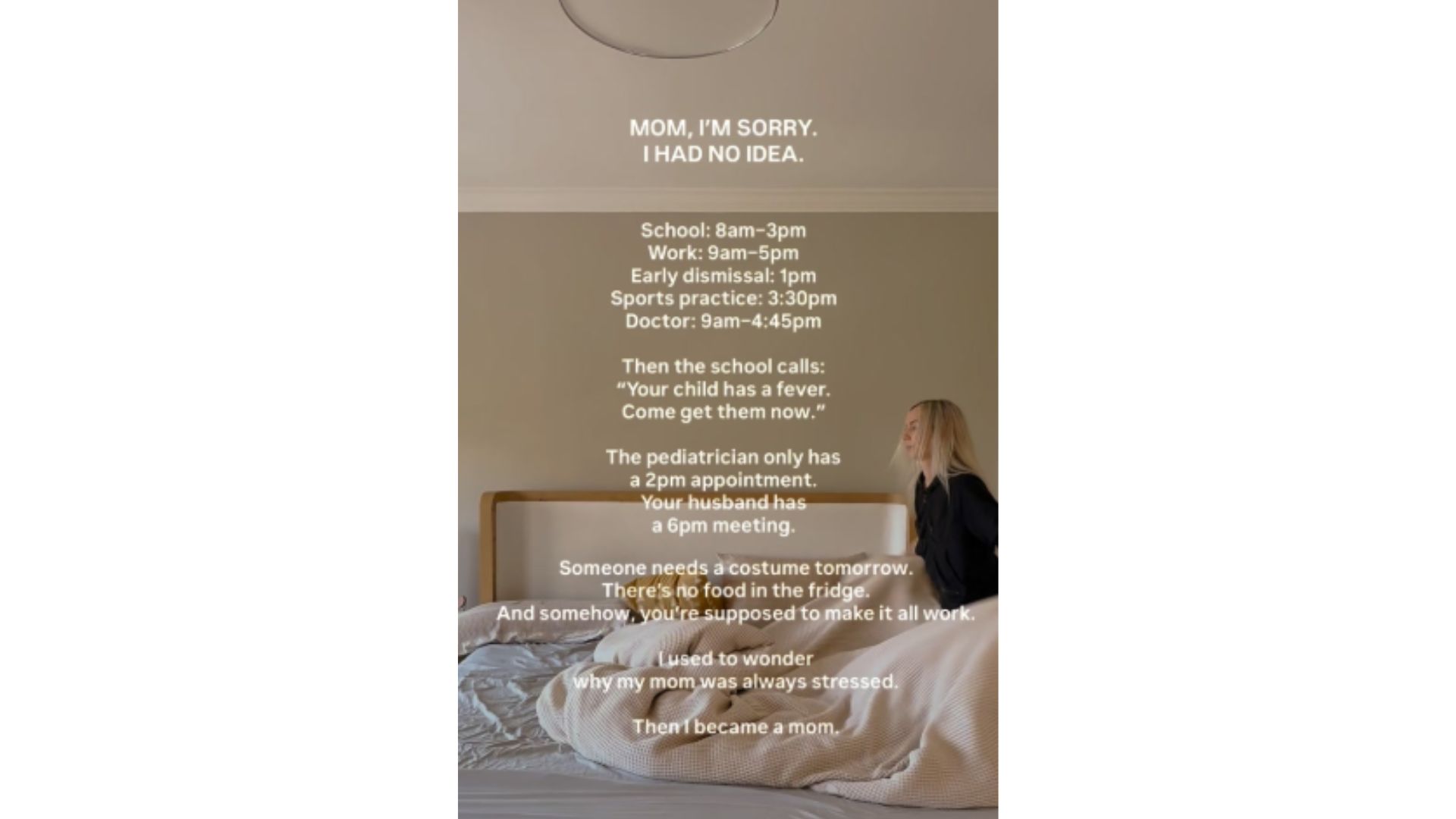
While making her bed, the creator uses text overlay to list out the overwhelming daily schedule and mental load that comes with parenting, before landing on an empathetic realization about her own mother’s past experience. The caption reflects the moment of understanding: “Damn, I had no idea. But now I understand. It’s funny how becoming a mom makes you look back at your…”
The video pairs a mundane task — making a bed — with a much heavier internal reckoning, using the growing list on screen to visually build the sense of just how much a parent is tracking and managing at any given moment, before pivoting to what that realization means for how she now views her own mother.
It has reached 1.8 million views, with the format — an on-screen list building alongside a personal reflection — proving especially effective at conveying just how much invisible labor goes into a single day of parenting.
Without detailing exactly what she’s come to understand about her mother’s experience, the video lands as a quiet, resonant tribute to a common realization many parents describe having only after taking on the role themselves.
The video was surfaced through an engagement-outlier search that flags videos performing far beyond what a creator’s usual audience size would predict. With 27K followers on Instagram, the creator’s reach on this particular post — 1.8M views and counting — far outpaced what a typical post from an account that size usually draws, a sign that the story tapped into something a much wider audience wanted to see.
The comment section on Instagram has filled in around the video the way it usually does with content like this — a mix of people sharing their own nearly identical experiences, others offering advice or a differing opinion, and plenty simply reacting to how closely the moment mirrors something from their own household. In the original post, the creator captioned it: “Damn, I had no idea. But now I understand. It’s funny how becoming a mom makes you look back at you…” — a short line that, for a video like this, tends to carry as much of the story as the footage itself.
Like a lot of the parenting content that breaks through online, this clip didn’t need elaborate production or a dramatic twist to hold people’s attention — just an honest, specific moment that a lot of viewers recognized from their own homes. It’s a reminder of how much appetite there still is for real, unpolished glimpses into what family life actually looks like, day to day, rather than a curated version of it.
The Mental Load of Parenting — and Why It’s So Often Invisible
The “mental load” refers to the constant, largely unseen work of tracking, planning, and anticipating a family’s needs — remembering appointments, noticing when supplies are running low, managing schedules, and holding the countless small details that keep a household functioning. Sociologists who study household labor note that this load, unlike physical chores, is difficult to see or measure, which often means it goes unacknowledged, even within a household.
This invisibility is part of why so many parents describe a shift in how they view their own parents once they have children themselves — tasks and sacrifices that seemed unremarkable growing up suddenly become vivid and specific once a person is managing that same mental load firsthand. It’s a common, almost universal moment of retrospective empathy.
Experts who study family labor generally recommend making the mental load visible and shared — literally listing out tasks, as this video does, can help partners see and redistribute responsibilities more evenly. For parents processing new understanding of their own upbringing, that empathy, while sometimes bittersweet, often deepens the relationship with the parent who once carried that same invisible weight.
None of this is about getting every decision right on the first try. Parenting, more than almost anything else, rewards consistency over perfection — showing up again the next day, adjusting what didn’t work, and staying willing to have the harder conversations when they come up. That’s true whether the topic is a bedtime, a boundary, a bad morning, or a much bigger family decision playing out over years rather than a single afternoon.
There’s no single formula that works for every family, and experts in family/parenting topics tend to agree on that above almost everything else. What matters most is staying engaged, staying honest about the hard parts, and giving yourself — and the people around you — some grace on the days that don’t go as planned.
You can watch the full video and follow @annakentley on Instagram for more.