


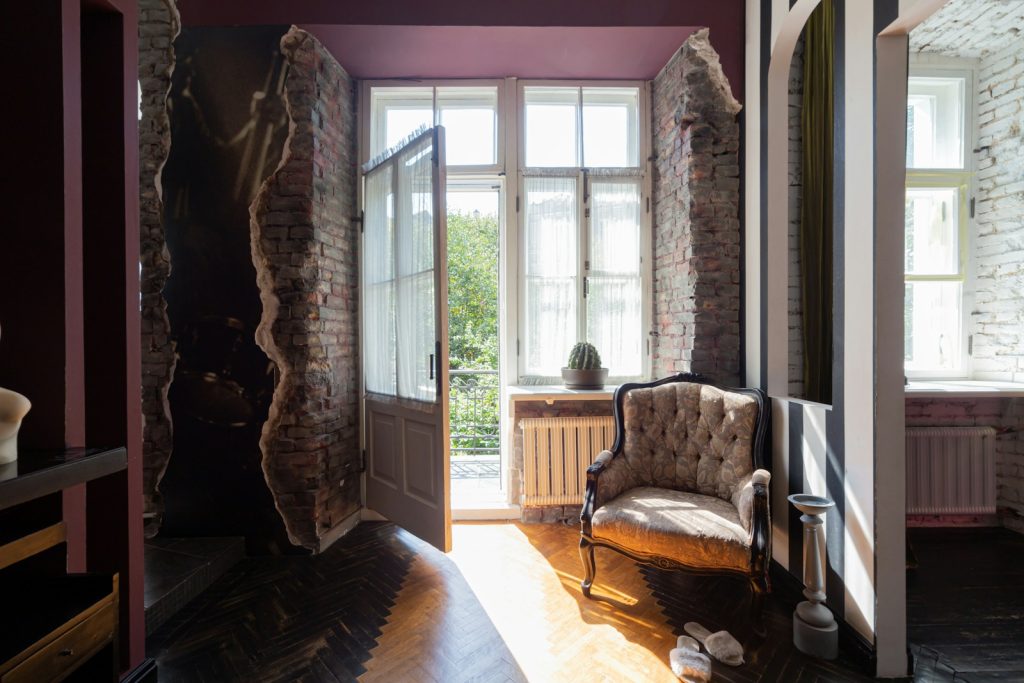
Vintage decor trends often get overlooked, but many of them bring timeless charm and warmth to any space. I’ve found that revisiting these underrated styles can refresh a room with personality and character without feeling outdated. Some vintage trends offer unique textures, colors, and details that blend surprisingly well with modern design. I love how pieces like rattan furniture, rich wood tones, and bold florals add a cozy, inviting vibe that you just don’t get from today’s minimalism. These trends have been quietly making a comeback, and incorporating a few thoughtful vintage elements can instantly give your home a more lived-in, timeless feel.
If you’re curious about which vintage decor trends are truly worth revisiting and how to make them work now, keep reading—I’m sharing some of the most underrated looks that deserve a fresh spotlight.

Embracing Underrated Vintage Decor: Why It Matters
Vintage decor brings more than just old-fashioned charm into a home. It offers a meaningful connection to quality craftsmanship and ways to mix history with modern living that feel personal and fresh. Appreciating these elements helps make spaces unique and thoughtful.
The Allure of Authentic Craftsmanship
What draws me most to vintage pieces is the undeniable quality in how they were made. Unlike many mass-produced items today, vintage furniture and decor often show meticulous craftsmanship. Joinery is visible, hand-carving details stand out, and materials like solid wood and brass last for decades.
This attention to detail means these pieces don’t just age well—they improve with time. You can feel the skill and care behind each item, which adds authenticity to your space. Choosing artisan-made or well-preserved vintage items also supports sustainability by valuing durability over disposability, which I think is especially important in interior design now.
Balancing Vintage Style with Contemporary Living
Integrating vintage into a modern home isn’t about recreating a bygone era room for room. For me, it’s about picking standout vintage elements and placing them thoughtfully alongside contemporary pieces. This creates a dynamic contrast that keeps spaces feeling current yet rich with character.
I like using vintage accents like a velvet Art Deco chair or a curved 70s lamp as focal points without overwhelming a room. Mixing textures, colors, and styles allows me to honor the past while maintaining practical, livable environments that suit today’s needs. This blend also invites personal storytelling into interior design, making my home feel truly mine.
For more insights on combining vintage with modern, see this detailed take on vintage trends for 2025.
Reviving Textures and Materials for a Cozy Home
I love how certain vintage materials and textures instantly add warmth and character to a space. These pieces don’t just look good—they bring a sense of comfort that modern designs sometimes miss. From natural fibers to sleek metallics, each element plays a role in creating a lived-in, inviting vibe.
Rattan, Wicker, and Natural Materials
Rattan and wicker have a timeless charm that I find perfect for softening any room. Their lightweight, woven textures bring a natural, handmade feel that pairs well with simple throws or plush cushions. Whether in chairs, baskets, or light fixtures, these materials add a tactile layer that makes a space feel grounded.
Natural materials like jute, seagrass, and wood also work beautifully alongside rattan and wicker. I often mix these to enhance that earthy vibe. Using organic fibers in rugs or window treatments complements these elements while maintaining a cozy, breathable environment.
The Timeless Appeal of Macramé and Fiber Art
Macramé and fiber art are back in a big way, and I can see why. Their intricate knotting and texture create a stunning focal point without overpowering a room. I love hanging a macramé wall piece above a sofa or bed—it adds softness and a bohemian, vintage soul.
Fiber art, including woven tapestries or chunky knit throws, enhances coziness by adding layers of texture visually and physically. These pieces bring warmth and a handmade quality that reflects personal style. For me, incorporating fiber art means balancing softness with structure in any space.
Marble and Brass Accents
Marble and brass are unexpected heroes for adding vintage flair that’s both elegant and durable. I like how polished marble surfaces contrast with warmer materials like wood or fabric. Marble countertops, side tables, or trays introduce a clean yet rich texture.
Brass accents—think lamps, cabinet handles, or decor objects—add a warm metallic glow that complements almost any color palette. Their subtle shine helps elevate vintage-inspired rooms without feeling flashy. I tend to use brass as small pops throughout to add interest and depth while keeping things cozy.
For more detail on pairing materials for a warm interior, explore designer tips on layering textures to create a cozy home.
Vintage Patterns and Personality in Modern Interiors
Patterns and textures from the past bring warmth and character to today’s homes. They add layers of visual interest that make spaces feel personal and welcoming. Using vintage elements cleverly can transform even simple rooms into unique stories.
The Comeback of Bold Wallpaper
I’ve noticed bold wallpaper making a huge return. Think oversized florals in vibrant colors or striking geometric shapes. These patterns aren’t shy—they take center stage, often covering entire walls for maximum impact.
What’s exciting is how modern technology has made these wallpapers easier to install and remove, encouraging experimentation without commitment. Plus, updated color palettes give a fresh take on what once felt dated. Combining bold wallpaper with sleek, minimalist furniture balances the look so your room feels lively but not overwhelming.
Quiet Maximalism: Layered and Lived-In
Maximalism has evolved, and I like to call it “quiet maximalism.” It’s all about layering vintage prints, textures, and furniture that have a story, but without clutter or chaos.
Mix patterned rugs, velvet cushions, and intricate textiles that feel collected over time. The key is thoughtful curation—each piece adds personality and richness. This style invites embracing vintage finds while keeping rooms cozy and approachable, not overwhelming. It’s a subtle way to show personality without shouting.
Family Heirlooms and Unique Vintage Finds
Incorporating family heirlooms and one-of-a-kind vintage finds is one of the most rewarding parts of vintage décor for me. These pieces connect my space to history and personal memories.
I recommend mixing these with modern items to avoid feeling stuck in the past. For example, pairing an antique chair or lamp with contemporary art instantly modernizes the look. Plus, unique vintage finds—like quirky side tables or rare textiles—add rarity and charm that you just can’t replicate with new décor.
Using vintage patterns alongside these unique items creates a warm, layered environment that feels both timeless and entirely yours. For ideas on blending eras smoothly, check out blending vintage elements with contemporary design.
Furniture Classics and Artistic Details Worth Revisiting
When it comes to vintage decor, some furniture styles and artistic details offer timeless elegance and character that modern trends can’t quite match. Pieces combining craftsmanship, design innovation, and intricate details create unique statements in any room.
Mid-Century Modern Furniture Evolution
Mid-century modern furniture remains one of my favorite vintage trends because it blends clean lines with functional design. This style emphasizes minimalism, often featuring sleek wood finishes and materials like molded plastic and leather.
Designers like Eames revolutionized the way we think about seating, making pieces both comfortable and visually striking. The beauty of mid-century modern lies in its versatility—it fits seamlessly into contemporary spaces without overwhelming them.
I especially appreciate how this era’s focus on simplicity doesn’t sacrifice style. Iconic chairs, sideboards, and tables from this period are excellent investments because they continue to feel fresh and relevant decades later.
Vintage Furniture with Ornate Carvings
In contrast to the minimalist mid-century style, vintage furniture with ornate carvings adds rich texture and history to a room. Hand-carved details in antiques like Victorian or Baroque sideboards and chairs bring artistry alive.
These pieces often feature elaborate floral motifs, scrolling patterns, and unique craftsmanship that showcase artisans’ skills. I find that incorporating one or two carved antiques can turn a plain space into a conversation starter.
Carvings also provide a tactile dimension to décor, inviting touch and admiration. It’s a reminder of the patience and detail that mass-produced modern furniture often lacks. Sometimes, just a carved wooden frame or table leg can add enough character to transform a room.
Integrating Antiques for Distinctive Spaces
Mixing antiques into modern interiors is an approach I always encourage. An antique desk or chest blends well with contemporary art and textiles, giving a room a layered, curated personality.
The key is balance: pairing rustic or ornate antiques with sleek, modern pieces creates visual interest without clutter. Dark wood furniture, for example, can ground a space filled with lighter, airy elements.
I also like how antiques carry stories and add authenticity. Their handcrafted quality and patina provide a warmth that feels both timeless and personal. This approach ensures your space isn’t just stylish but truly one-of-a-kind.
For ideas on combining these elements, see detailed discussions on vintage furniture trends of 2025.