If water can’t leave the roofline, it will find its way into your foundation through saturated soil and persistent pooling. Clogged gutters that overflow consistently create the single most common path for water to undermine foundations, causing erosion, basement leaks, and shifting footings.
They might seem minor, but ignored debris and blocked downspouts let rainwater concentrate at the base of the house instead of being carried safely away. The article will show how that process works, real signs to watch for, and practical fixes to stop a small clog from turning into a major repair.
How Clogged Gutters Lead to Foundation Damage
Clogged gutters and blocked downspouts redirect rainfall where it shouldn’t go, concentrating water at the building’s base. That concentrated moisture drives soil movement, higher ground saturation, and pressure against foundation walls—conditions that commonly cause cracks and interior water entry.
Why Gutters Are Critical for Foundation Health
Gutters collect roof runoff and channel it through downspouts to safe discharge points, usually several feet from the foundation. When they work, they prevent rain from repeatedly soaking the soil at the house perimeter and protect landscaping, walkways, and exposed foundation materials.
Properly sized gutters and downspouts reduce the volume of water hitting the ground near footings during heavy storms. They also limit freeze–thaw cycles next to the foundation and help maintain consistent soil compaction, which lowers the chance of settlement or differential movement.
Maintenance matters: an intact gutter system with correctly routed downspouts reduces the risk of basement water intrusion and lowers long-term repair costs for foundation issues.
What Happens When Gutters Get Clogged
Leaves, needles, shingle grit, and debris build up until water flows over the gutter lip instead of into downspouts. Overflow concentrates water at the foundation line, where it soaks into topsoil and migrates downward toward footings.
Standing water in clogged gutters also increases the likelihood of leaks at roof edges and fascia, accelerating rot and allowing more moisture into wall cavities. During storms, sudden overflows can erode soil adjacent to the foundation in minutes rather than weeks.
If downspouts are blocked or point too close to the house, the diverted water returns to the foundation zone instead of being carried at least 4–6 feet away, increasing the odds of basement flooding and hydrostatic pressure build-up.
Soil Erosion and Hydrostatic Pressure Explained
Repeated overflow erodes the topsoil slope designed to move water away from the house, flattening the grade and creating low spots where water pools. Erosion also removes supporting soil around footings, which can allow parts of the foundation to settle unevenly.
Saturated soil holds more water and transmits that weight laterally as hydrostatic pressure against foundation walls and slab edges. Higher hydrostatic pressure forces water through hairline cracks and increases stress on foundation joints and wall ties.
Hydrostatic pressure fluctuates with storms and groundwater levels; a single heavy event after prolonged saturation often triggers visible foundation movement or a sudden basement seep. Managing surface runoff from gutters significantly reduces both erosion and pressure-related failures.
Risks: Foundation Cracks, Flooding, and Structural Issues
Concentrated water and changing soil conditions commonly lead to vertical and horizontal foundation cracks. Vertical cracks often indicate settlement; horizontal or bowed walls signal lateral pressure from saturated soil and can be more serious.
Basement flooding follows when cracks, poor seals, or window wells allow pressurized water to intrude. Flooding damages flooring, stored items, and mechanical systems, and raises mold risk in finished or unfinished basements.
Long-term structural issues include differential settlement, misaligned doors/windows, and compromised load-bearing elements. Regular gutter maintenance, correctly routed downspouts, and protective measures like gutter guards reduce these risks and help preserve foundation integrity.
Prevention and Fixes for Gutter-Related Foundation Problems
Good gutter care keeps water moving well away from the house, prevents soil erosion next to the foundation, and reduces the chance of costly foundation repairs.
Routine Gutter Cleaning and Maintenance Tips
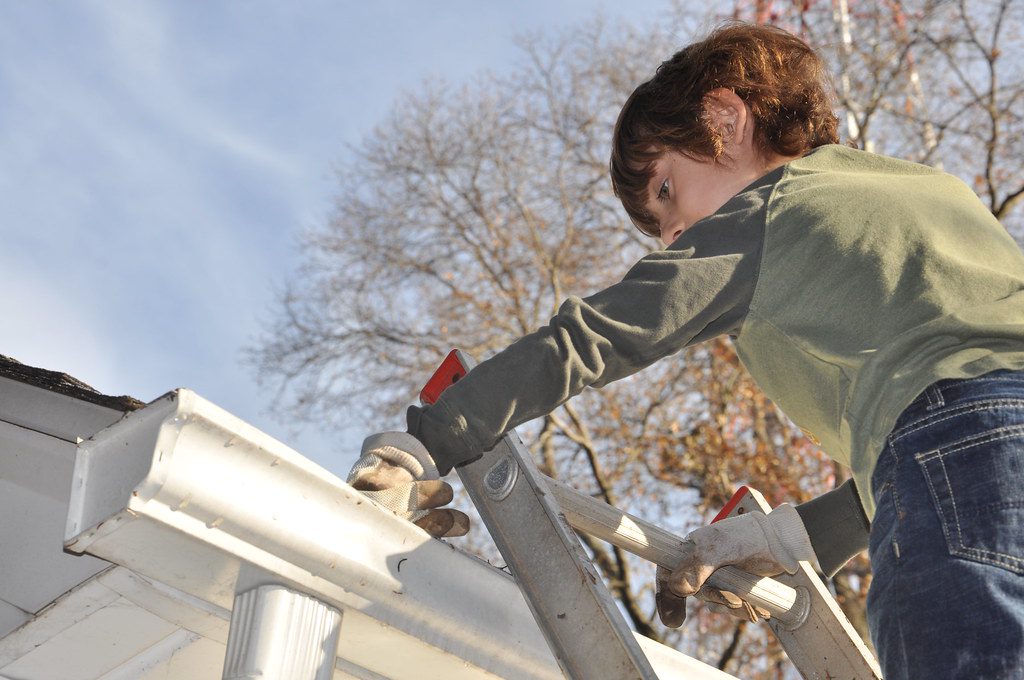
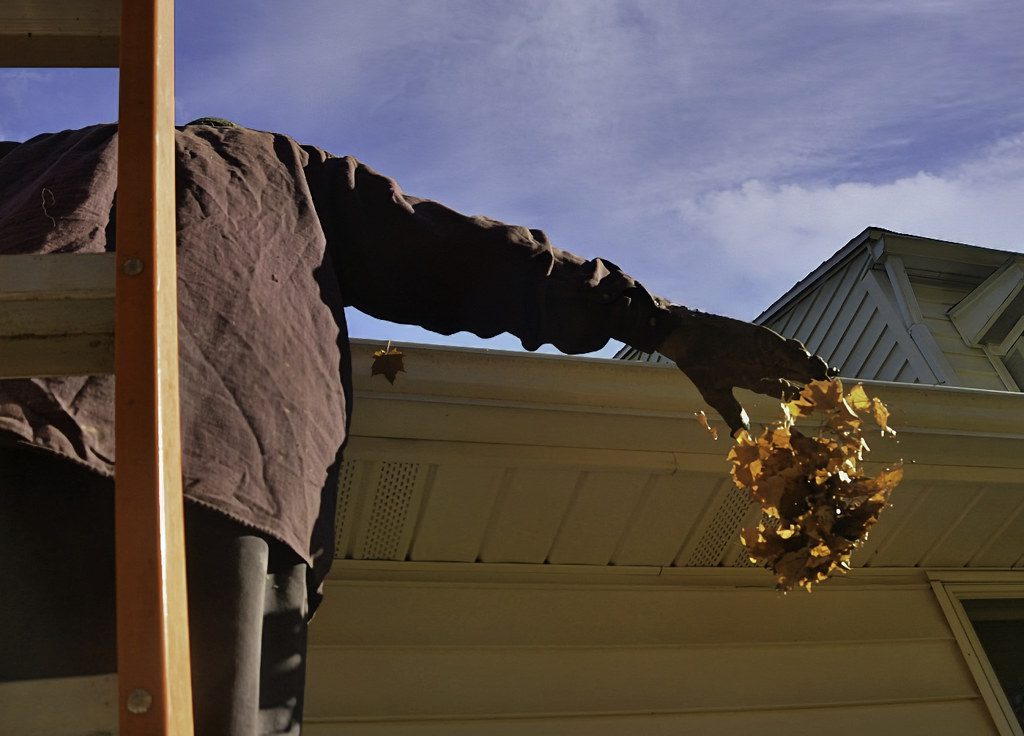
They should clear gutters at least twice a year—spring and fall—and after big storms or heavy snowfall. Use a stiff trowel or gutter scoop to remove leaves and granules, then flush each downspout with a hose to confirm free flow.
Inspect fasteners, hangers, and fascia boards while cleaning. Tighten loose hangers, replace split hangers, and repair any rotten fascia before reinstalling gutters; sagging gutters encourage pooling and overflow that saturates soil near the foundation. Check seams and end caps for leaks and seal with roofing-grade silicone if needed.
Verify gutter slope: aim for 1/4 inch of pitch per 10 feet toward downspouts. If water still stands after cleaning, add additional downspouts or lower sections to improve drainage. Keep a simple maintenance log noting dates, observations, and repairs.
Gutter Guards, Splash Blocks, and Protection Solutions
They should evaluate gutter guards for their yard’s debris type. Micro-mesh guards reduce fine debris and shingle grit, while reverse-curve or surface-tension types work poorly with pine needles and can cause more clogging in some climates.
Install splash blocks or short downspout extensions to carry discharge at least 6–8 feet from the foundation. Concrete or plastic splash blocks work for flat yards; rigid extensions or buried drains suit sloped or heavily landscaped sites. Use a flexible extension with a low-profile mow-over design near walkways.
Combine guards and downspout extensions for best results. Guards cut cleaning frequency but don’t eliminate all maintenance; they reduce clogging that leads to overflow and foundation-soil saturation. Match guard choice to local conditions—heavy rainfall, pine trees, or winter snowmelt require different solutions.
Choosing the Right Gutter System and Materials
They should consider seamless aluminum gutters for fewer joints and lower leak risk compared with sectional systems. Seamless systems reduce potential overflow points that can direct water to the foundation and increase maintenance needs.
Match material to climate: aluminum resists rust and suits most climates, steel offers strength for heavy snow but may rust without proper coating, and copper provides longevity at higher cost. Choose appropriate sizes; 5-inch gutters handle typical rainfall, while 6-inch or K-style gutters work better for heavy rainfall or large roof areas.
Consider fascia condition and mounting method. Hang gutters from fascia with box or hidden hanger systems when fascia is sound; when fascia is rotted, repair or replace the fascia board first to ensure gutters remain properly pitched and secure. Plan downspout placement to avoid dumping near the foundation or patio joints.
Addressing Foundation Repairs Early
They should call a qualified inspector at the first sign of persistent pooling, new cracks in basement walls, or doors and windows that stick after storms. Early assessment distinguishes simple drainage fixes from structural foundation repairs that need piers, wall anchors, or waterproofing.
Document problems with photos and a timeline of heavy-rain events or snowmelt episodes. If a contractor recommends grading, install a 6-inch drop over the first 10 feet away from the foundation where feasible, or add a French drain to intercept groundwater before it hits the foundation wall.
When foundation work is required, coordinate gutter and grading repairs concurrently. Fixing gutters and rerouting downspouts before or during foundation stabilization prevents rework and protects the investment in foundation repair. For guidance on placement and grading specifics, consult a regional expert such as the team at Level Up Foundation Repair and Excavation for local-climate recommendations.
More from Decluttering Mom: