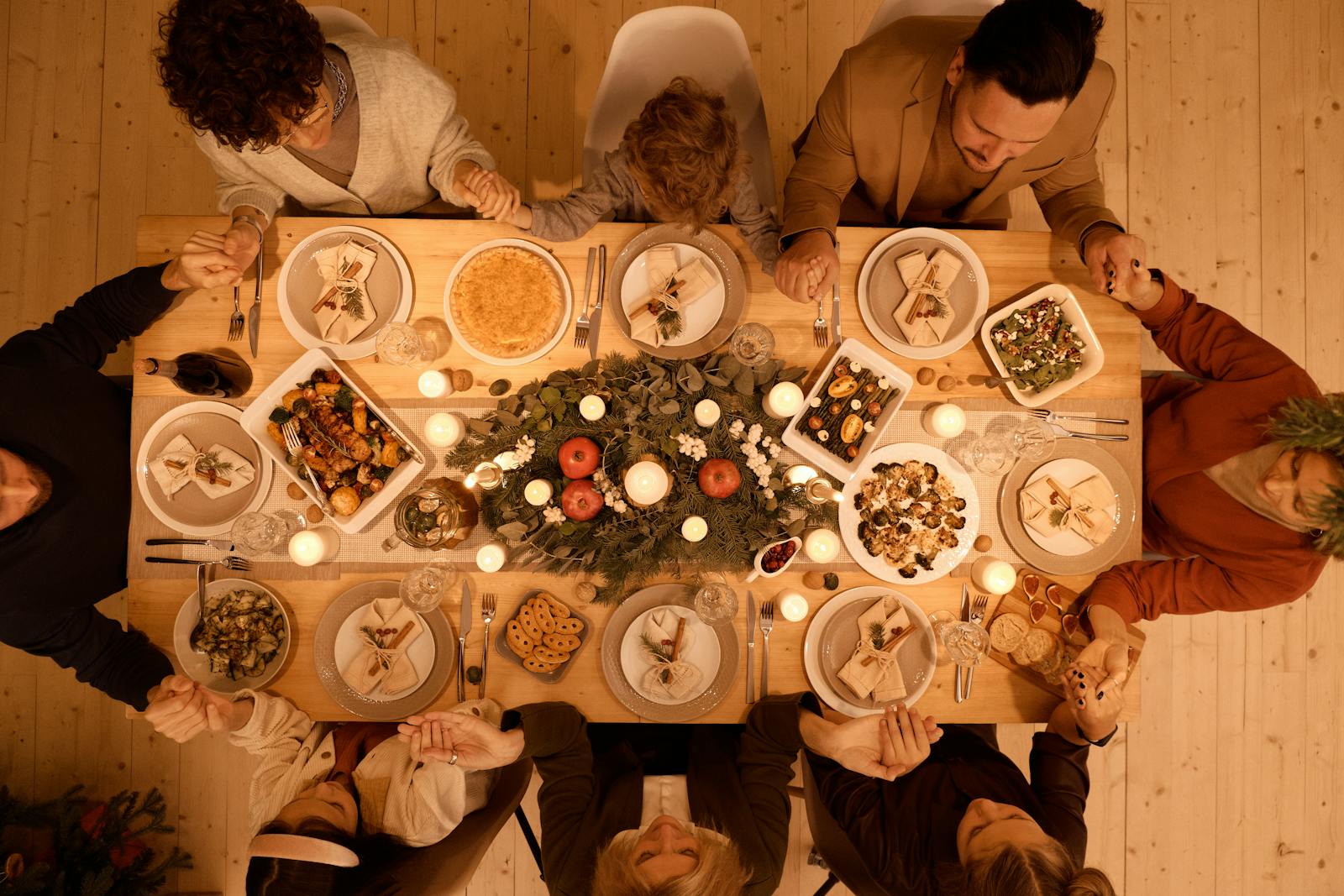
The holiday table mistake hosts regret most is not a crooked napkin or a mismatched plate, it is creating a setup that looks impressive in photos but quietly sabotages how people actually feel and talk once they sit down. When the centerpiece, place settings, and conversation all compete for attention, guests end up craning their necks, dodging décor, and leaving earlier than they wanted to. If you want people to remember the night instead of the tablescape, you have to design the table around comfort first and aesthetics second.
The good news is that the fix is not about buying more stuff, it is about editing. A few smart choices with height, spacing, and topics at the table can turn the same dishes and candles you already own into a setup that feels relaxed, generous, and genuinely festive.
The Real Problem: You Built a Stage, Not a Table
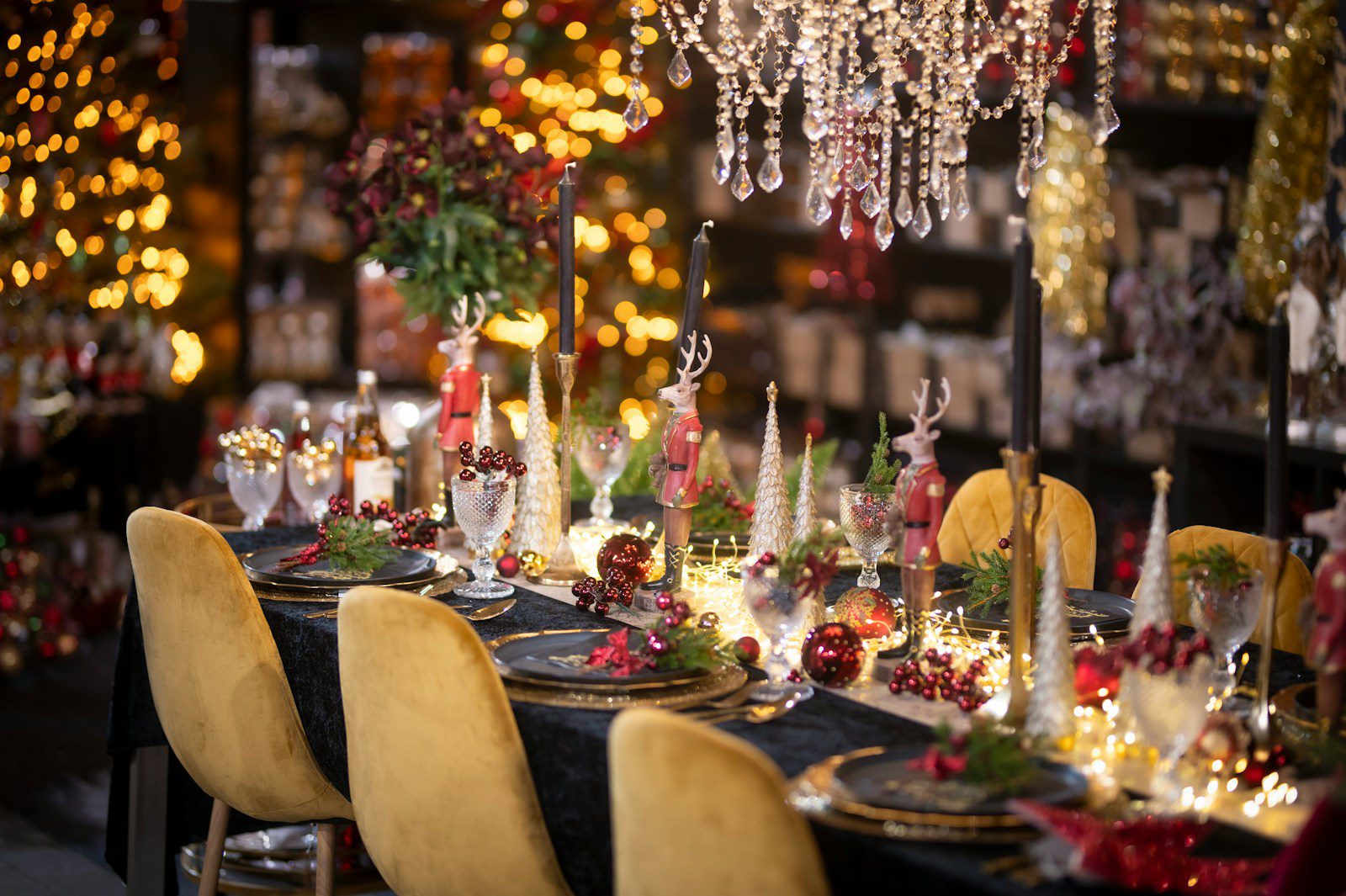
Most hosting regrets start with the same impulse, you want the table to look special, so you keep adding. Another garland, another candle, another layer of plates. By the time guests sit down, they are peering around a floral wall and balancing bread plates on their laps. Styling pros at EHD openly admit they love a dramatic centerpiece, but they also warn that anything too tall or bulky instantly kills sightlines and makes it hard to pass dishes, especially when you crowd the table with too many centerpieces in the name of “holiday magic,” a mistake they flag as a common holiday hosting misstep from Oct in their guidance on tablescape mistakes.
Etiquette and hosting expert Carla Shellis pushes the same idea from a different angle, she focuses on how a chaotic environment makes guests feel like they have to hustle through the meal instead of relaxing into it. When the table is overloaded, the room feels visually noisy, which feeds the sense that everything is rushed and no one can quite settle. Shellis explicitly urges hosts to avoid creating a chaotic environment so each guest can move, eat, and talk without feeling squeezed. Put together, the design and etiquette advice point to the same core regret, you built a stage for your décor instead of a landing pad for your people.
The Fix: Edit the Table, Not the Guest List
Once you see the table as a comfort zone instead of a showroom, your priorities flip. The first job is not to impress, it is to make sure everyone can see, reach, and breathe. That starts with the basics, like where you put the forks and knives. It may sound fussy, but classic place setting rules exist so guests are not fumbling or accidentally grabbing the wrong utensil. Guidance on table setting mistakes stresses that arranging utensils in the right order and placing knife blades facing in toward the plate helps the table feel intuitive instead of confusing, especially in a formal setting where people are already a little on edge.
From there, you can layer in personality without piling on clutter. Martha Stewart, who has spent decades teaching people how to host, recently pointed out that the biggest mistake holiday hosts make is trying to overhaul everything at once instead of making thoughtful, sustainable upgrades. She talked about reissuing her first cookbook and even compared how she edits her entertaining style to how she refreshes her wardrobe, explaining that she does not throw everything out, she refines. Her reminder, shared in an Oct conversation about her own entertaining habits, is that you do not need a brand new collection of dishes or linens to feel current, you just need to be more intentional about what stays and what goes, a mindset she applies when she talks about holiday hosting choices.
The Other Silent Saboteur: Conversation That Clashes With the Setting
Even a beautifully edited table will not save a dinner where the talk turns tense. Communication experts warn that one of the biggest mistakes at any gathering is diving straight into hot-button issues that split the room. In advice on avoiding the three biggest communication missteps at events, Harmon labels “Mistake #1: Bringing Up Taboo Topics” and suggests steering clear of subjects that are guaranteed to trigger arguments, especially when people are stuck in close quarters. Harmon notes that guests generally love to talk about themselves, so asking about their lives, projects, or recent trips is a safer way to keep the mood light, a point underscored in guidance on avoiding communication mistakes.
That advice lines up neatly with what lifestyle voices say about overextending yourself as a host. Television personality Daphne Oz has been blunt that the biggest mistake people make when hosting guests is doing too much, a point she emphasized while talking about the fall entertaining season and how Today is fall equinox often becomes a symbolic reset for people who want to gather more. When you overload the menu, the décor, and the schedule, you have no bandwidth left to gently steer conversation or notice when someone looks uncomfortable. Oz’s warning about doing too much is really a reminder that your presence is the most valuable thing you bring to the table, and you cannot be present if you are sprinting between the kitchen and the dining room or mentally tallying whether the centerpiece looks perfect from every angle.
When you put all of this together, the “one mistake” hosts regret is not a single wrong fork or one awkward comment, it is the choice to prioritize performance over connection. If you keep the centerpiece low enough to see across, leave a little breathing room between plates, skip the taboo topics, and resist the urge to overproduce every detail, your table stops being a stage and starts feeling like what it should have been all along, a place where people actually want to linger.
More from Decluttering Mom: