Vintage Pyrex has officially crossed from “grandma’s cupboard” into “serious score,” and one pattern in particular is worth dropping everything for when you spot it on a thrift-store shelf. If you see the pink Amish Butterprint set in the wild, you are looking at a short-run collectible that can punch far above its sticker price. Knowing how to recognize it, and how it stacks up against other hot patterns, turns your casual browsing into a pretty savvy hunt.
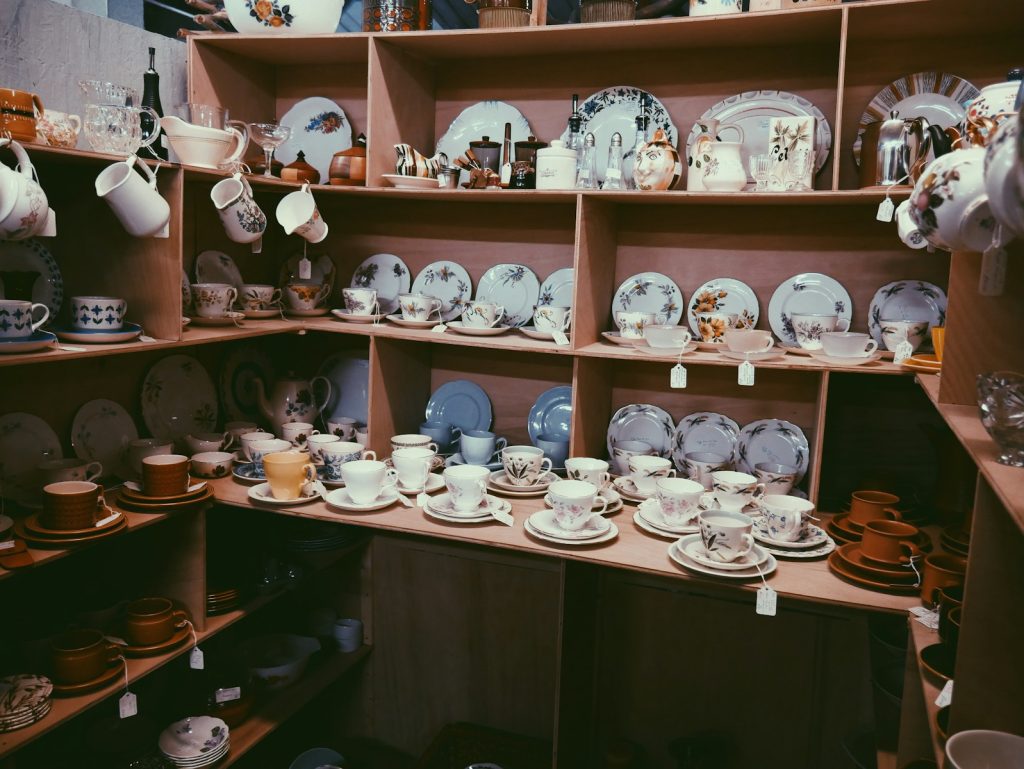
The pink Amish Butterprint set that collectors chase
The pattern you should be training your eyes for is the pink Amish Butterprint design, a twist on the classic Butterprint that swaps the usual turquoise for a soft, rosy hue. The pink Butterprint was produced by Pyrex for a very limited window, from 1959 to 1960, which is exactly the kind of short production run that makes collectors perk up. When you find a full set of nesting bowls or Cinderella casseroles in this colorway, you are looking at a pattern that has become a priority target for vintage fans who know how rare it is to see all the pieces together.
Part of the appeal is how the pink Amish Butterprint pattern hits several collector sweet spots at once: it is a named design, it is tied to a specific late‑1950s moment, and it comes in a color that is already considered premium in the Pyrex world. Pink and turquoise are consistently flagged as hues that “are always going to command higher prices,” and they are described as both “Fun and pretty to look at,” which helps explain why they have become shorthand for the brand’s midcentury style. When you combine that color premium with the limited 1959 to 1960 run of the pink Butterprint, you get a set that can sit comfortably alongside other Amish Butterprint favorites in terms of desirability.
How it compares to other high‑value Pyrex patterns
To understand why you should never walk past pink Amish Butterprint, it helps to see where it fits in the broader vintage Pyrex hierarchy. Collectors are currently chasing a range of patterns that can sell for serious money, with some Pyrex designs described as “Rare Finds That Are Worth a Fortune” because they can deliver a surprisingly high return on your grandma’s kitchenware. Reports highlight that Some Pyrex patterns are so scarce they feel like hitting the jackpot, and that kind of language is usually reserved for the most elusive colorways and promotional releases. In that context, a short‑run pattern like pink Amish Butterprint sits in the same conversation as other top‑tier collectibles, even if individual sale prices vary.
There are also specific sets that show just how high the ceiling can go. The Pumpkin Orange Pyrex Mixing Bowl Set, for example, is singled out as one of the most valuable configurations, with The Pumpkin Orange Pyrex Mixing Bowl Set noted as a standout among rare dishes that can be worth thousands. Other patterns, like Gooseberry, are seeing a resurgence that has pushed prices into the hundreds, with The Gooseberry bowls in certain colors selling for about $350 to $450 for a set. Every Pyrex collector has their own “Holy Grail” pattern, and Lucky in Love is often cited as that dream find, especially for Every Pyrex fan who is trying to build a serious collection with limited funds for antiques. When you line these up, the pink Amish Butterprint set belongs in the same mental shortlist of patterns you simply do not leave behind.
Spotting, valuing, and caring for pink Amish Butterprint in the wild
Once you know the pink Amish Butterprint name, the next step is learning how to evaluate what you see on the shelf. Condition is a big part of value, and seasoned thrifters are advised to Look for original lids, minimal chips, and clear pattern prints before they commit. Patterned Pyrex in general, including designs like Pink Daisy and Colonial Mist, tends to be more collectible, and experts note that Patterned Pyrex pieces in good shape can command a premium compared with plain opal bowls. That same logic applies to pink Amish Butterprint: crisp graphics, glossy surfaces, and intact handles or spouts will all help the set hold its own in the market.
Color and pattern trends also matter, which is why pink Amish Butterprint benefits from the broader love for midcentury hues. Guides to buying vintage Pyrex point out that Pink and turquoise shades are not only more expensive but also more iconic, and they note that these colors became a staple from 1945 to 1968 as Pyrex expanded beyond basic clear glass. That history helps explain why a pink pattern from 1959 to 1960 feels so of‑the‑moment for collectors today. At the same time, you can cross‑check what you find in the thrift aisle against current online listings, using modern shopping tools that aggregate Product information from brands, stores, and other content providers to get a sense of going rates without guessing.
If you want to sanity‑check your instincts, it is worth looking at how other holiday and novelty pieces are treated. One example is a Christmas‑themed Cinderella bowl described as This Cinderella bowl in a bright green shade reminiscent of the Grinch and decorated with “Merry Christmas and a Happy New Year,” which shows how seasonal graphics can boost interest when the pattern is distinctive. Video segments on collectible kitchenware have even highlighted how What looks like an ordinary casserole can be worth a small fortune once you know the pattern name and production window. Put together, the advice is simple: when you spot that pink Amish Butterprint set, verify the pattern, scan for damage, compare with other high‑value lines like Gooseberry, Lucky in Love, and The Pumpkin Orange Pyrex Mixing Bowl Set, then grab it before someone else with a cart and a good eye beats you to it.
More from Decluttering Mom: