We’ve all been guilty of hoarding items that we don’t really use. Whether it’s an old t-shirt, a cracked mug, or a stack of magazines, we just can’t seem to part ways with them. But have you ever wondered why? Let’s dig deeper into the psychology behind keeping these 13 seemingly useless items.
1. Old Clothes

We all have that one piece of clothing sitting at the back of our closet that we haven’t worn in years. The psychology behind it is that these clothes often carry sentimental value, reminding us of a particular time or event in our lives. They serve as tangible reminders of our past selves and the experiences that shaped us.
2. Broken Items

Whether it’s a cracked mug or a faulty appliance, we often find it hard to throw away broken things. Psychologically, this might stem from our inherent need to fix things. We hold onto the hope that we can restore these objects back to their former glory.
3. Old Magazines

Our reluctance to throw away old magazines often stems from the fear of missing out. We keep them thinking that we might revisit them one day. This is an example of the ‘sunk cost fallacy’ where we continue a behavior because of our past investment.
4. Empty Bottles
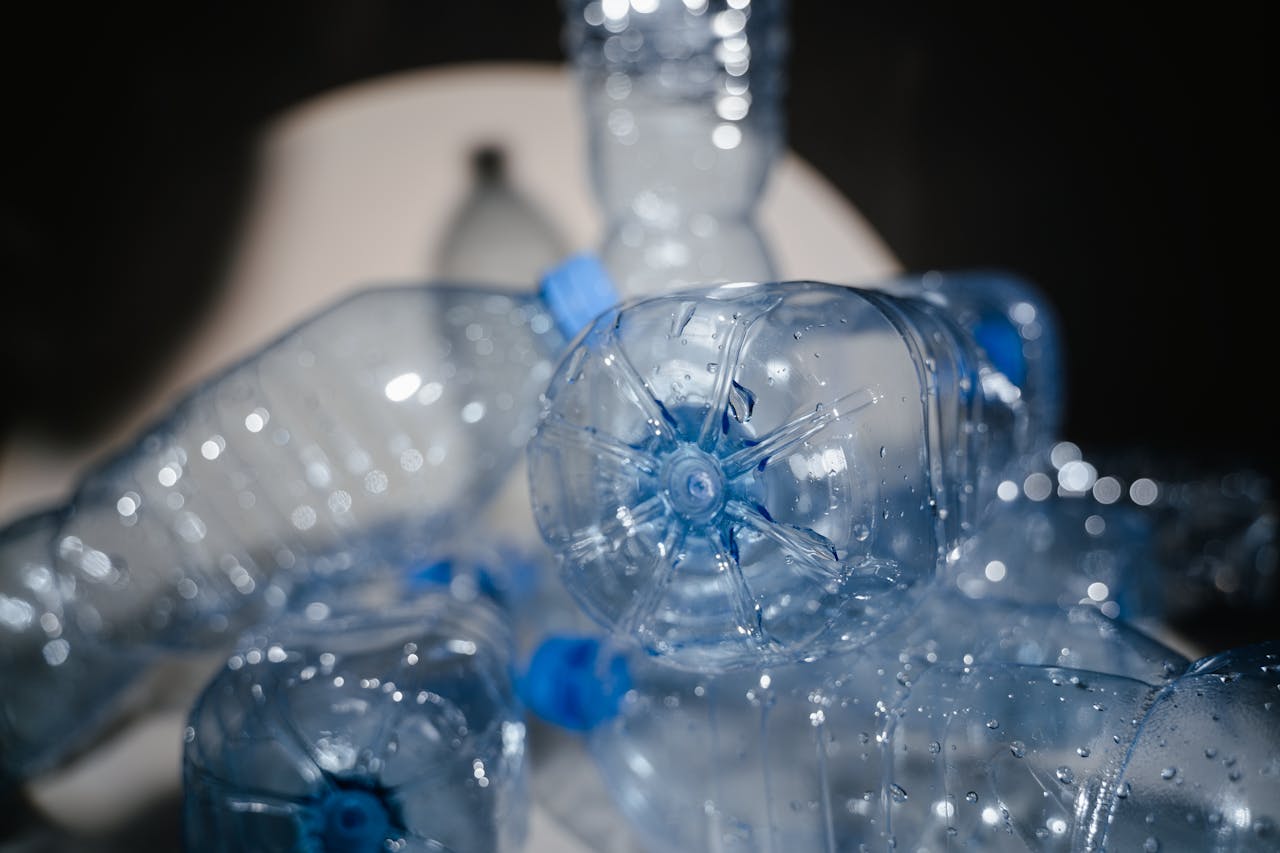
Empty bottles, jars, or containers might seem useless, but we often keep them with the intention of reusing them. This is actually a positive environmental behavior, as repurposing items can significantly reduce waste.
5. Old Greeting Cards
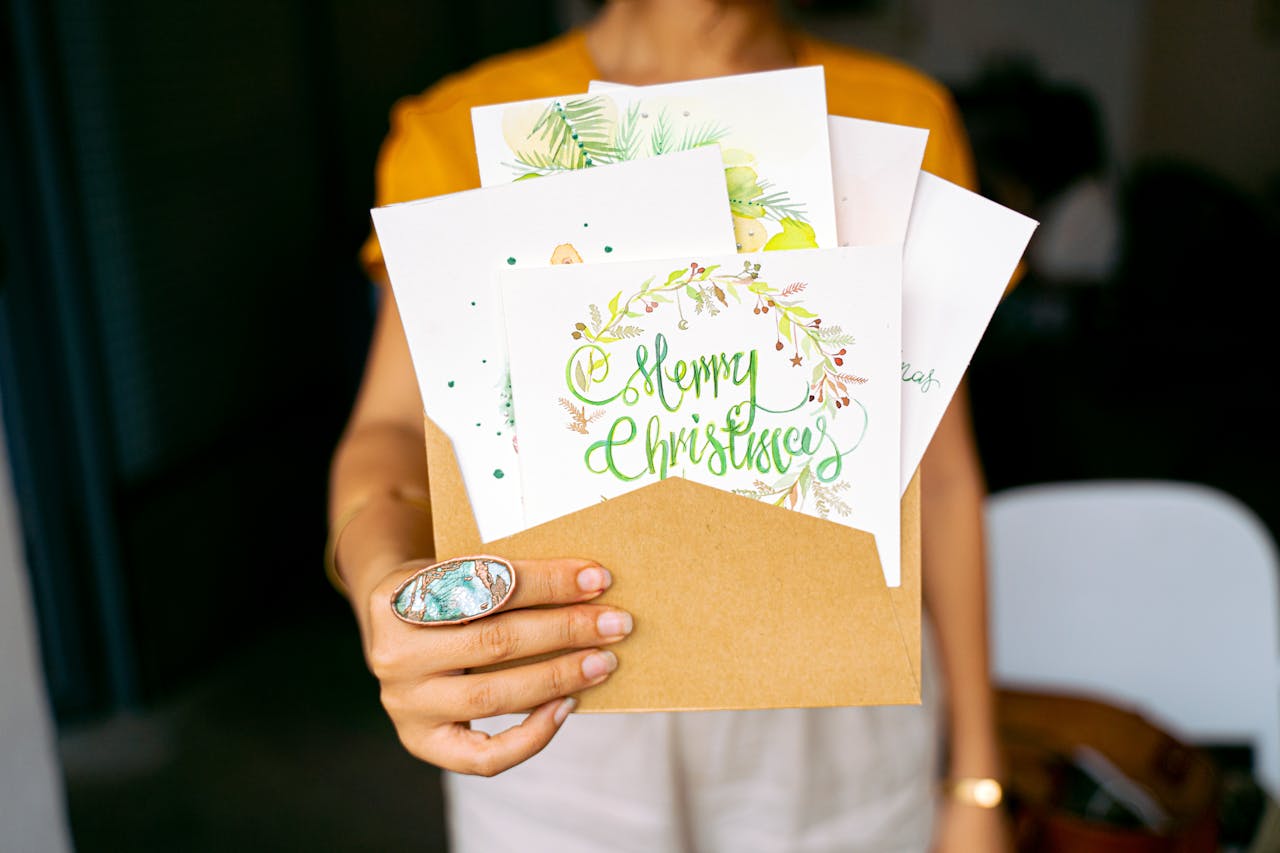
Greeting cards, even old and tattered ones, are often kept because they carry emotional significance. They remind us of the people who cared enough to send them and the special occasions they marked.
6. Old Schoolbooks

Old schoolbooks often remind us of our academic achievements and struggles. They represent a significant part of our personal history and symbolize the knowledge we’ve acquired over the years.
7. Souvenirs

Souvenirs serve as tangible reminders of the places we’ve visited and the experiences we’ve had. Even if they seem useless, they hold a special place in our hearts because of the memories they represent.
8. Childhood Toys

Childhood toys often spark nostalgia, taking us back to simpler times. They remind us of our carefree childhood days and the joy we derived from such simple pleasures.
9. Old Photos
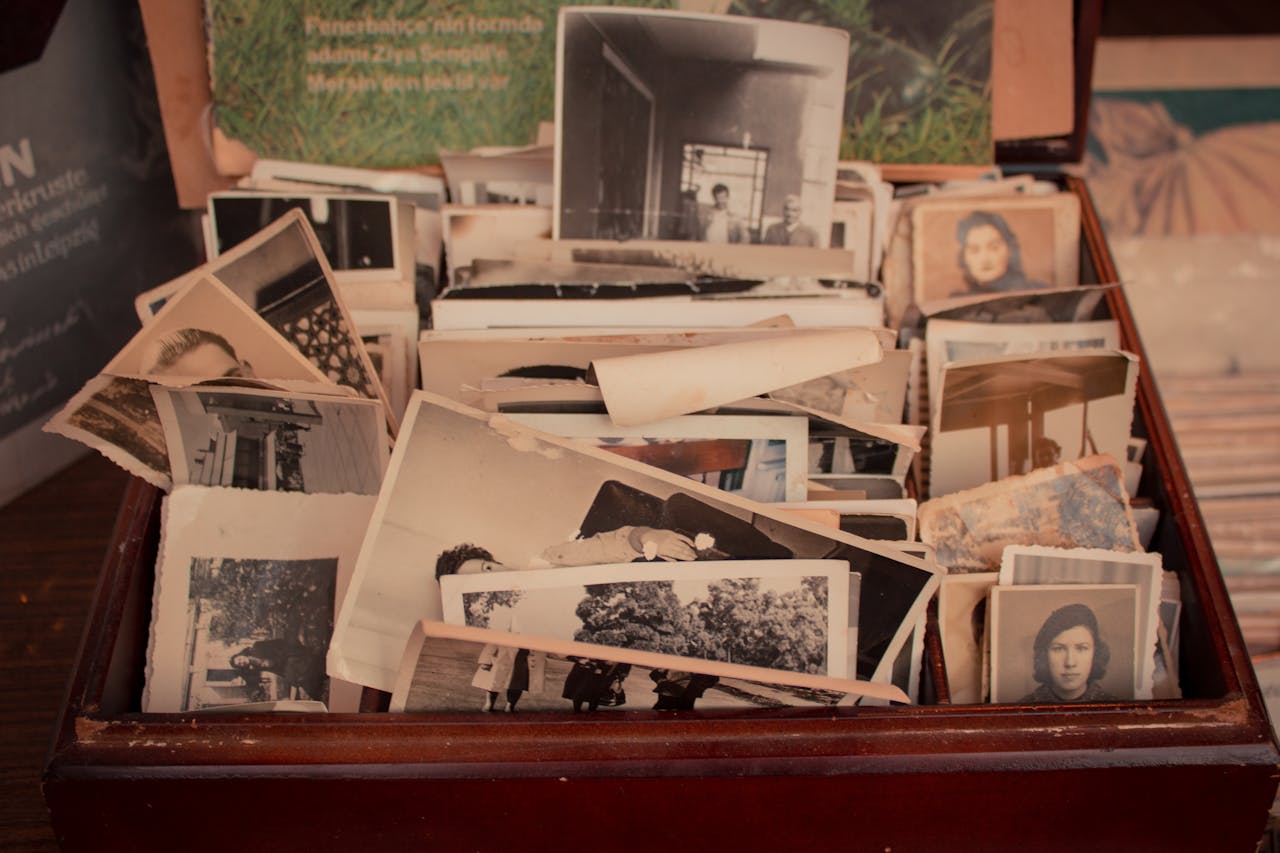
Even in the digital age, we often keep hard copies of old photos. They serve as visual reminders of our past selves and the moments that have shaped us.
10. Old Letters

In an era of digital communication, old letters are treasured remnants of a bygone era. They remind us of the time and effort someone took to write to us and the intimacy of that personal connection.
11. Expired Makeup

Many women have a hard time throwing away old makeup, even if it’s expired. This often stems from a desire to get our money’s worth out of the product, even if it’s no longer safe or effective to use.
12. Old Electronics
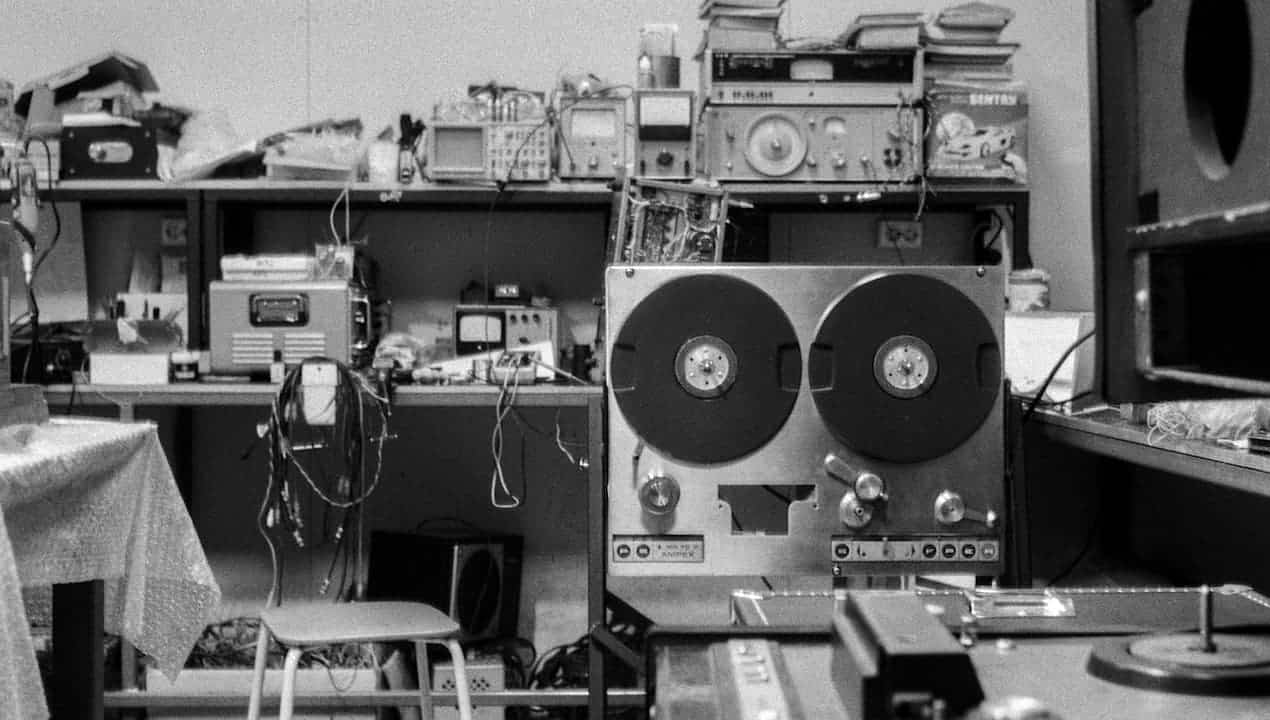
We often keep old electronics with the hope that they might be useful again one day. This is another example of the ‘sunk cost fallacy’, where we continue a behavior because of our past investment.
13. Old Receipts

Keeping old receipts is often a means of tracking our financial history. They serve as tangible reminders of our past purchases, both big and small.