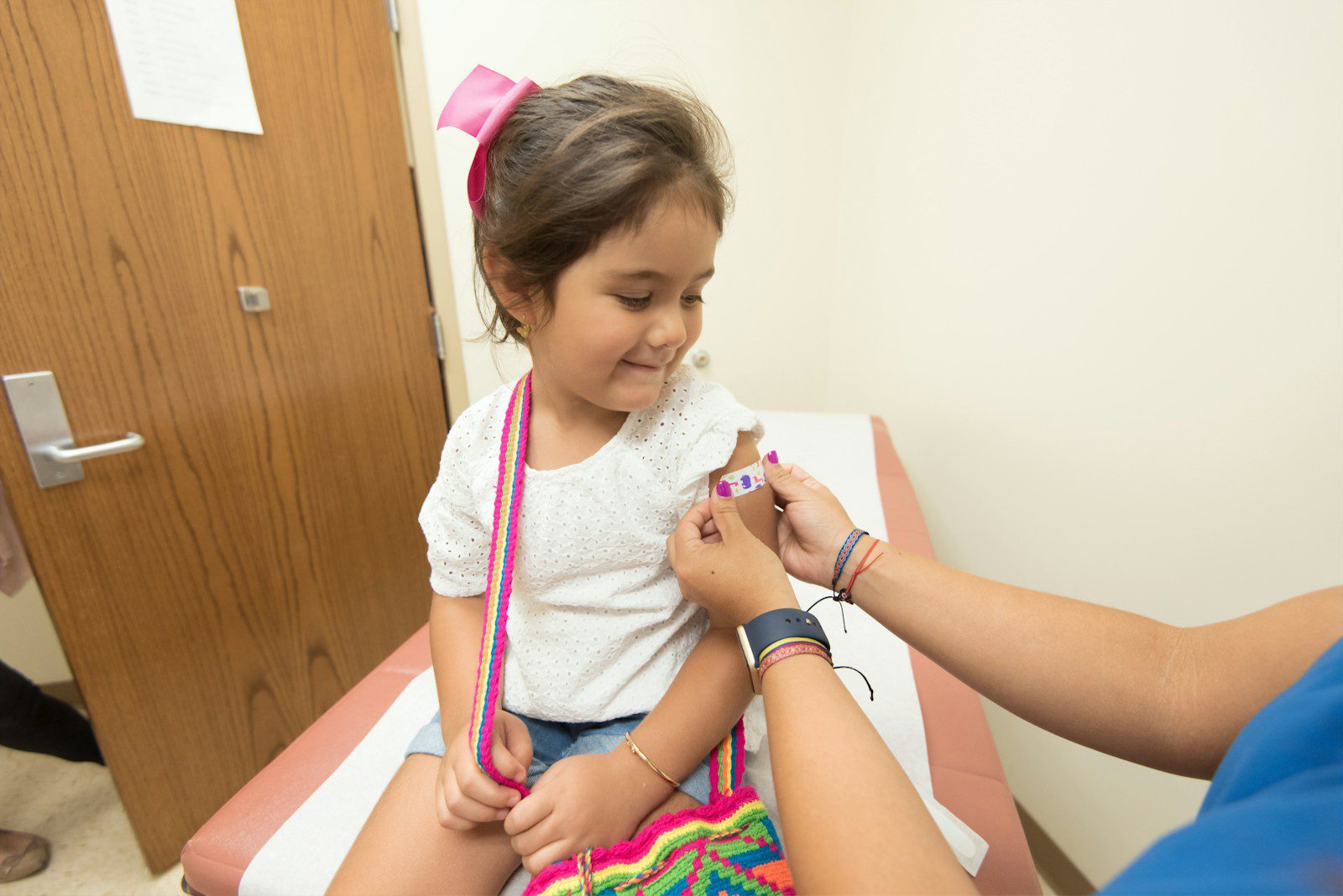
National kindergarten vaccination coverage has now fallen for five school years in a row, according to the CDC’s own SchoolVaxView surveillance data, dropping from a pre-pandemic peak of 95% in the 2019-2020 school year to roughly 92% for core childhood vaccines in the most recent reporting period. At the same time, the share of kindergartners entering school with an exemption from one or more required vaccines has climbed to a record high. The two trends move together, and the CDC’s own state-level breakdowns show the slide is not even across the country — it’s accelerating in a specific, growing cluster of states.

The Five-Year Slide, by the Numbers
The CDC tracks kindergarten immunization coverage every school year through SchoolVaxView, pulling data reported by all 50 states and DC. Coverage for MMR, DTaP, and polio sat at 95% nationally in 2019-2020 — the benchmark public health officials use because it’s roughly the threshold needed for herd immunity against measles, one of the most contagious diseases known. Coverage has ticked down nearly every year since: national MMR coverage measured 93.5% for the 2021-22 school year, per the CDC’s own Morbidity and Mortality Weekly Report, before continuing to erode to 92.5% for 2024-25 — a decline widely reported at the time as the fifth consecutive year coverage had fallen short of the 95% target. The most recently released data continues that same trajectory, with MMR and polio coverage at 92.4% and DTaP at 92%.
Exemptions Are Doing the Heavy Lifting
The coverage drop isn’t just kids falling through administrative cracks — a growing share of it is intentional. The CDC’s own data shows the national kindergarten exemption rate reached 4.2% in the most recent school year, up from 3.6% the year before, translating to roughly 155,000 kindergartners exempted from at least one required vaccine. Exemption rates rose in 41 states plus DC year over year. That’s a sharp jump from the prior reporting period, when 17 states had exemption rates above 5% — a number that grew to 24 states in the following year’s data, according to the CDC’s own reporting. Separately, CDC data shows roughly 280,000 kindergartners nationally started the school year without documented proof of completing the required two-dose MMR series at all, whether or not they held a formal exemption.
Where the Gap Is Widening Fastest
State-level SchoolVaxView data shows the range between the best- and worst-performing states has widened substantially since the pandemic. Idaho posted the lowest MMR coverage of any state in the most recent reporting year, at roughly 75%, while states with strict exemption laws like West Virginia, which allows only medical exemptions, still reported coverage near 99%. Nationally, the CDC’s own numbers show 39 states now sit below the 95% MMR target, up from 28 states before the pandemic, and 18 states have dropped below 90% coverage entirely — compared with just three states at that level in 2019-2020. That spread between high- and low-coverage states is the clearest evidence that the decline isn’t uniform: a shrinking number of states are holding the line near pre-pandemic norms while a growing number are falling further behind each year.
Why a Few Points Matter More Than They Sound
A drop from 95% to 92% sounds small until it’s translated into actual bodies in a kindergarten classroom. Measles requires roughly 95% community immunity to reliably stop chains of transmission, because it is so contagious that a single infected person can spread it to 12 to 18 unvaccinated people in a susceptible population. Coverage in the low 90s nationally means entire counties and school districts, especially the ones already clustered in the lowest-coverage states, can fall well under that threshold even while the national average looks only mildly concerning on paper. That’s the mechanism behind the string of U.S. measles outbreaks tied to school-age clusters in recent years — not a single catastrophic drop in vaccination, but five straight years of small, compounding declines landing hardest in the states and counties where exemption rates were already climbing.
None of this shows up as a single dramatic headline number nationally. It shows up school year after school year, in the same CDC dataset, moving in the same direction — down on coverage, up on exemptions, and increasingly uneven state to state.