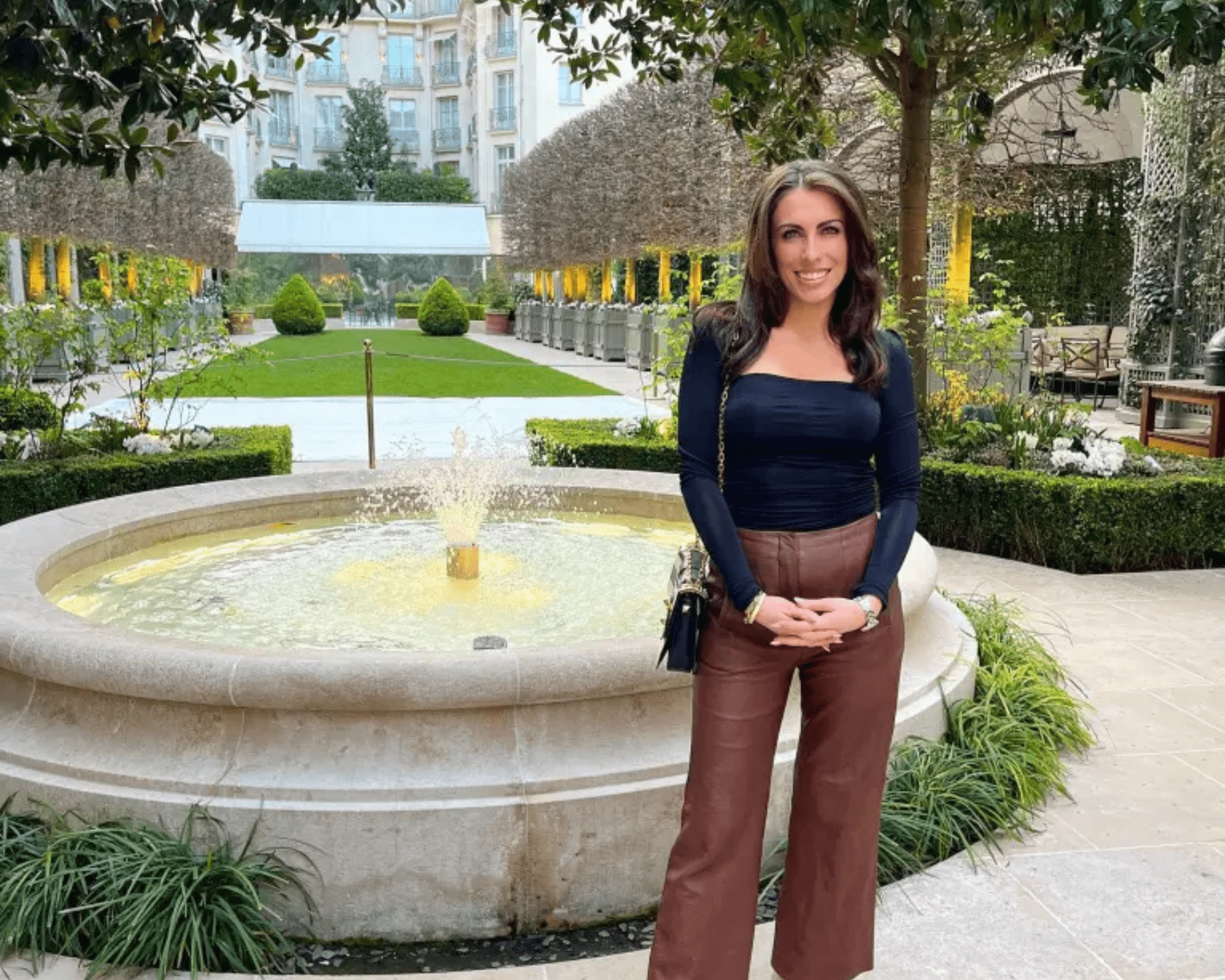
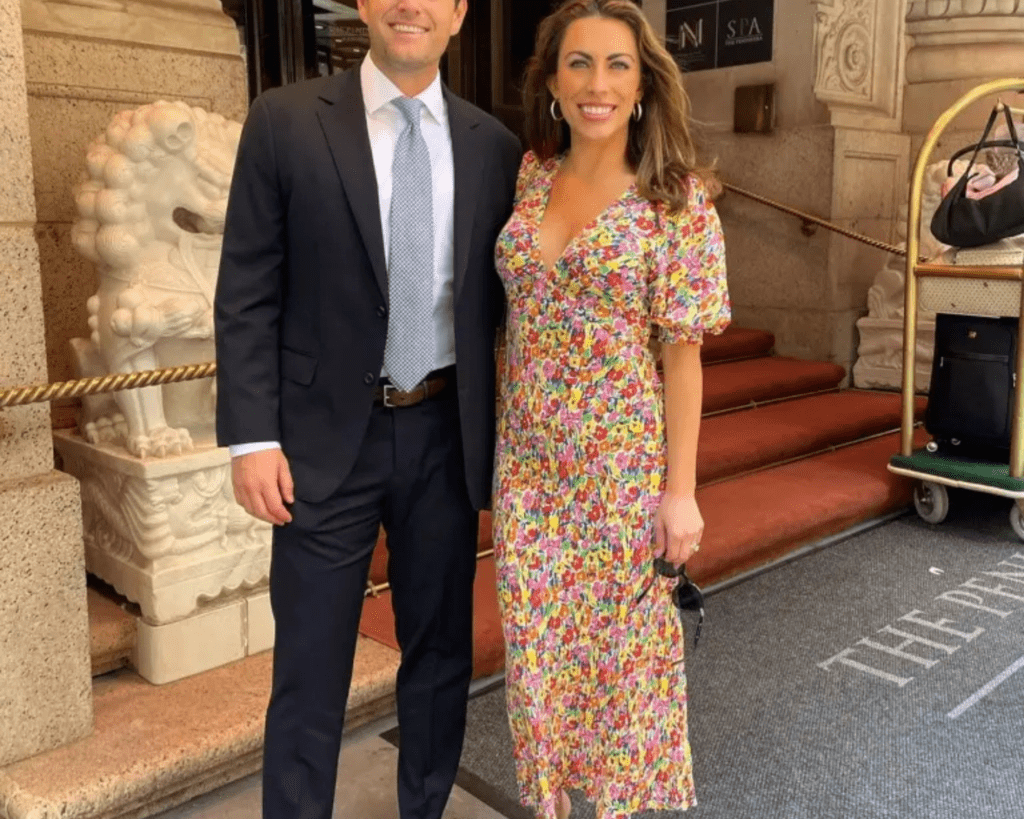
The View turned daytime chatter into something closer to a delivery room drill when the show brought medical staff into the studio over labor concerns for co-host Alyssa Farah Griffin and several pregnant audience members. What could have been a quiet precaution quickly became part of the on-air spectacle, as the hosts leaned into the tension and the crowd watched to see if television history might literally arrive in the middle of Hot Topics.
The setup captured everything that makes the show such a lightning rod: a live audience, a panel that treats real life as content, and a willingness to push right up against the edge of what feels comfortable. Only this time, the stakes were not just political fireworks or celebrity feuds, but the possibility of someone going into labor under the studio lights.
The View turns into a quasi-delivery ward
Producers did not just joke about the risk of a baby arriving mid-segment, they prepared for it. On the broadcast, the hosts explained that there was a doctor and a nurse positioned inside the studio, with paramedics on call and an ambulance waiting outside in case anyone, onstage or off, went into labor. The unusual setup underscored how seriously the show took the possibility that Alyssa Farah Griffin or one of the pregnant audience members might need immediate care, even as the panel kept the tone light for viewers at home, according to reporting on the medical standby.
The show framed the precautions as both a safety measure and a running gag, with the hosts riffing on the idea that daytime TV might suddenly double as a birthing suite. Yet the presence of a full emergency setup, from the doctor and nurse to the ambulance, signaled that this was not just a bit for the cameras. It was a rare moment when the machinery behind a live broadcast, usually invisible to the audience, stepped into the spotlight and reminded everyone that real bodies and real health concerns sit just behind the banter.
Alyssa Farah Griffin’s pregnancy becomes part of the storyline
Alyssa Farah Griffin’s pregnancy has been woven into the show’s narrative ever since she revealed she was expecting during an earlier broadcast. In that moment, she shifted from being just the conservative voice at the table to a soon-to-be parent navigating work, politics, and public scrutiny all at once. Her pregnancy announcement, shared in front of the cameras with her co-hosts reacting in real time, turned her personal news into a recurring thread that viewers could follow from trimester to trimester, as seen when she discussed it in a segment featuring Whoopy and the rest of the panel.
By the time medical staff were stationed in the studio, Griffin’s pregnancy was no longer a side note, it was a central part of the show’s energy. Her presence at the table, visibly pregnant and still sparring over politics and culture, gave the broadcast a sense of unpredictability that producers clearly leaned into. The decision to prepare for labor on live TV was not just about safety, it was also about acknowledging that her pregnancy had become a shared storyline for the hosts, the audience in the studio, and the viewers watching at home.
Pregnant audience members and the live TV risk factor
The twist that pushed the situation from unusual to surreal was the number of pregnant audience members in the crowd. The show did not just have one expectant mother on the panel, it had a cluster of them in the seats, all sitting under hot lights, reacting to jokes, and riding the emotional highs and lows that come with live television. With so many people close to their due dates in one room, the risk calculus changed, and the presence of on-site medical staff suddenly felt less like a stunt and more like a practical response to a very specific audience mix, as reflected in coverage of the studio’s live taping.
For those audience members, the experience was a strange blend of fan excitement and medical contingency planning. They were there to see the hosts up close, to laugh, clap, and maybe get a reaction shot, but they were also part of the reason a doctor, a nurse, paramedics, and an ambulance were on standby. The show effectively turned them into both spectators and potential breaking news, a reminder that in a live environment, the line between participant and storyline can disappear in an instant.
Safety, spectacle, and the ethics of turning labor into content
Bringing medical personnel into a television studio is, at its core, a responsible move when multiple people are close to giving birth. The View’s team clearly recognized that risk and built a safety net around it, from the doctor and nurse inside the building to the paramedics and ambulance waiting outside. In a workplace context, that kind of planning looks like a straightforward duty-of-care decision, the sort of behind-the-scenes preparation that should be standard whenever a show leans on pregnant workers and guests to keep the content flowing, as detailed in accounts of the show’s emergency planning.
At the same time, the decision to talk about those precautions on air, to fold them into the jokes and the pacing of the episode, raised a different set of questions. When a show turns the possibility of labor into a running bit, it blurs the line between caring for its people and using their vulnerability as entertainment. Viewers were invited to laugh along with the idea that someone might go into labor mid-segment, even as the very real infrastructure of emergency medicine sat just off camera. That tension, between safety and spectacle, is the kind of tightrope The View walks often, but it feels sharper when the subject is not a political gaffe or a celebrity feud, but the health of a pregnant co-host and her audience.
What this moment says about The View’s evolving identity
The View has always thrived on the collision of personal lives and public conversation, and the decision to stage an episode with medical staff on standby fits that pattern. The show has long positioned itself as a place where politics, pop culture, and the hosts’ own experiences collide in real time, and Alyssa Farah Griffin’s pregnancy has become one more thread in that tapestry. By turning a potential medical emergency into part of the day’s energy, the program doubled down on its identity as a live-wire talk show that treats the hosts’ lives as open-ended storylines, a dynamic that has defined The View for years.
In the end, the ambulance waiting outside did not become the star of the show, and the doctor and nurse stayed in the background, which is exactly how everyone involved likely wanted it. But the fact that their presence became part of the on-air conversation shows how fully the program has embraced the idea that nothing in its orbit is off limits, not even the logistics of childbirth. For fans, it was another unpredictable chapter in a series built on unscripted moments. For critics, it was a reminder that when television chases authenticity, it sometimes edges into territory where real life is not just reflected, it is actively staged for the cameras.
More from Decluttering Mom: