While waiting in line for a drink at the theater, one woman had her peace disrupted in a most unexpected way. Just ahead of her, a stranger casually jumped in front, completely bypassing the queue. She found herself caught off guard as this woman stood there, seemingly unfazed, glued to her phone as if that somehow justified the blatant rudeness.
The scene unfolded as the woman glanced over at the other line, curious if it was moving faster. But by the time she turned back, the line-cutter had claimed her spot without a word or glance. Deciding to let it go, she felt it wasn’t worth the energy to argue. But that didn’t last long; the woman ahead soon looked up and innocently asked if there was a queue—an obvious question that seemed almost mocking.
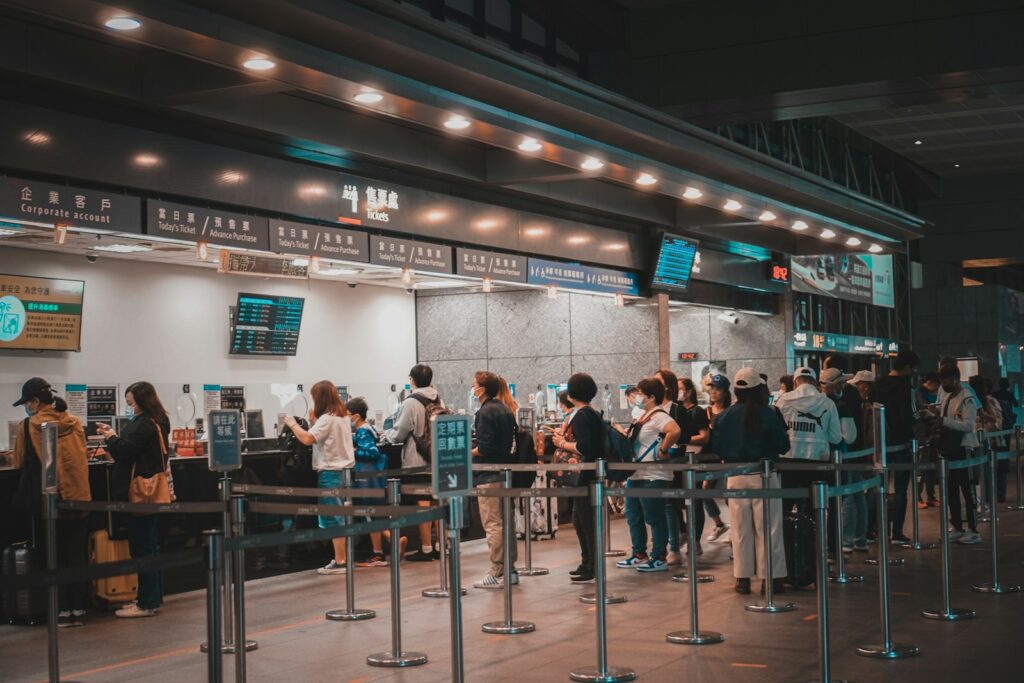
As anyone could see, it was clear there was a queue. The woman wasn’t in the mood to entertain this nonsense. “Yes, there is a queue,” she replied, perhaps a bit too straight to the point. The queue jumper’s response, “I’m on my own,” felt like a weak justification. It wasn’t a valid excuse for cutting in line, yet the stranger didn’t seem to grasp that. She was clearly more interested in her own day than in respecting the unwritten rules of waiting.
The interaction took another awkward turn when the line-cutter followed up with, “I’ve had a hard day.” The woman was left trying to comprehend how that somehow made her situation relevant to the other patrons waiting for their drinks. This statement felt more like a plea for sympathy than an actual excuse for her behavior. “Nothing to do with me,” the woman shot back, feeling done with the whole exchange as the interval bells began ringing.
In a matter of moments, the opportunity for a drink vanished, leaving her to walk away, perhaps more irritated than before. The line-cutter’s insistence on her misfortune didn’t resonate with the reality of the shared experience in the queue. It’s a familiar dynamic many have faced—someone assuming their personal struggles warrant special treatment, even at the expense of others.
The exchange stirred a range of opinions among Reddit users who chimed in. Some thought the woman should have been more assertive, advocating for her place in line. Others pointed out that sometimes it’s easier to let things slide rather than engage in confrontation, especially when dealing with someone who appears oblivious to social cues.
People had varying reactions; some felt empathy for the queue jumper, thinking perhaps she was genuinely having a rough day. Others expressed frustration at the idea that personal hardships could excuse discourteous behavior in public spaces. The comments showcased how perspectives can shift depending on individual experiences and values.
This situation brings to light the complexities of social interactions. It raises questions about the line between personal struggle and social responsibility. How far does one go in accommodating another’s bad day when it disrupts the flow for everyone else? It’s not just about cutting in line; it’s a broader reflection on how people’s personal narratives often clash with communal norms.
As the curtain rose for the next act, the woman reevaluated her experience. Was there a better way to handle the uncomfortable interaction? Or was it just another story to file away in the mental archives of life’s little absurdities? After all, the theater is often a stage for drama, both on and off the screen.
More from Decluttering Mom: