It was supposed to be a day of celebration, but instead, one recent graduate found herself feeling overwhelmed by sadness. Just a day before her graduation ceremony, she was reflecting on the absence of her mother, someone who had been missing from her life for over six years. The weight of this loss loomed heavily as memories of fleeting moments together surfaced, creating an emotional conflict that was hard to navigate.
Things took a sharp turn when she received a text that was anything but supportive. Instead of congratulations or well wishes, the message condemned her with harsh words, labeling her as “horrible, stupid, and evil.” It served as a painful reminder of why she had chosen to cut ties with her mother in the first place. The red flags that had long been ignored resurfaced, validating her decision to stay no-contact.
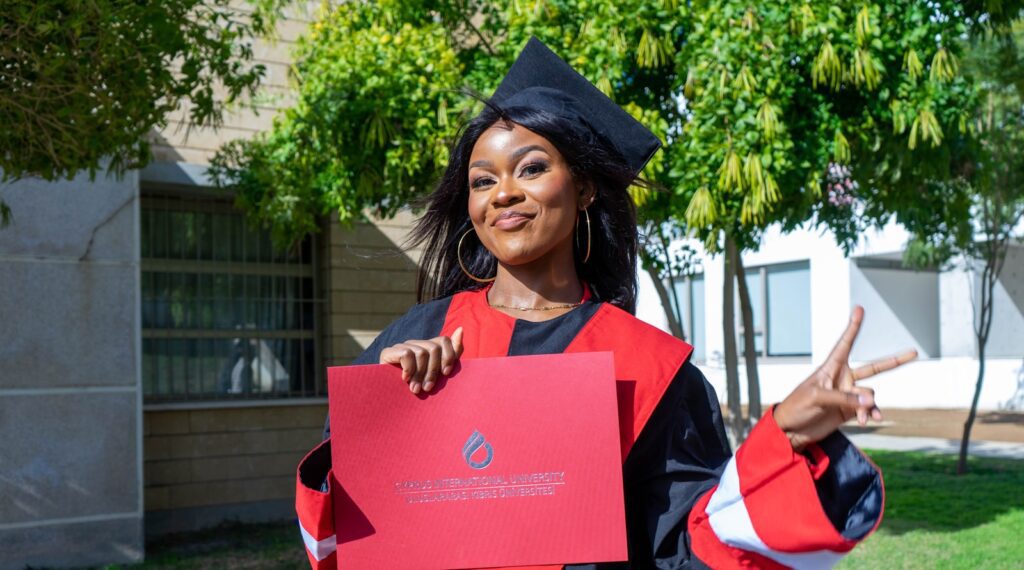
Many people can understand the complicated feelings that come with estranged relationships. For this graduate, it wasn’t just about ending the connection; it was about protecting herself from further emotional harm. In the weeks leading up to her graduation, she had battled with her feelings of longing, missing the idea of having a supportive mother figure. Her fiancé encouraged her to consider reaching out again, stressing the need for strict boundaries. But deep down, she expressed doubt about whether her mother could change, leading her to firmly decide against re-establishing contact.
The graduate’s struggle illustrates the complex nature of familial love and the trauma that often accompanies it. As she processed her feelings, it became evident that her inner child was still hurting from past experiences. Allowing herself to feel this pain was a way to acknowledge the deep scars that had been inflicted over the years. She recognized that her mother would always represent a source of bullying in her life, a reality she had to confront while preparing for a significant milestone.
She noted the difficulty of cutting off communication entirely, as her mother had a knack for circumventing blocks by utilizing fake numbers. This added layer of harassment only complicated her healing process, making it hard for her to move forward. She contemplated changing her phone number but faced the reality that her mother’s persistence would likely continue.
In the online discussion that followed her post, people had very different reactions. Some empathized with her situation, sharing similar experiences of estrangement and the emotional toll it can take. They pointed out that prioritizing one’s mental health is crucial, especially when dealing with toxic relationships. Others offered advice on setting boundaries and navigating such complicated dynamics. The community rallied around her, providing support and validation.
However, there were also voices advising caution. A few commenters questioned whether there might be a way to find closure without reopening old wounds. They suggested that perhaps a mediated conversation could lead to healing for both parties. But for her, the recent message was a clear indication that her decision to maintain distance had been a wise one. It emphasized the notion that sometimes, the past is better left untouched.
What’s often overlooked in these discussions is the emotional aftermath of setting boundaries with family members. While many may champion the decision to go no-contact, it’s equally important to recognize the messy feelings that accompany such choices. For this graduate, the journey to healing was far from linear. Even as she celebrated a significant achievement, the shadows of her past loomed large, making it difficult to fully embrace the joy of the moment.
As the graduation ceremony approached, she found herself standing at a crossroads—caught between the excitement of her future and the unresolved emotions tied to her past. The message from her mother hung heavy on her heart, a reminder that healing is not just about moving forward but also about confronting the scars that remain. What does one do when the pain from the past continues to echo into their present? Is it really possible to let go, or do some wounds run too deep?
More from Decluttering Mom: