
Across the United States, public schools are closing or consolidating at a pace that feels less like routine belt-tightening and more like a slow-motion collapse of neighborhood institutions. Families who once treated their local school as an anchor are now scrambling to understand why buildings are being emptied and what it will mean for their children’s education, safety and sense of belonging.
The panic is not abstract. Parents are watching school boards redraw maps, shutter campuses and bus students across town, often with little warning and even less trust. Behind each decision sits a tangle of demographic shifts, enrollment losses and new learning models, but on the ground it looks like one thing: communities losing the places that held them together.
Urban districts under pressure as enrollment craters
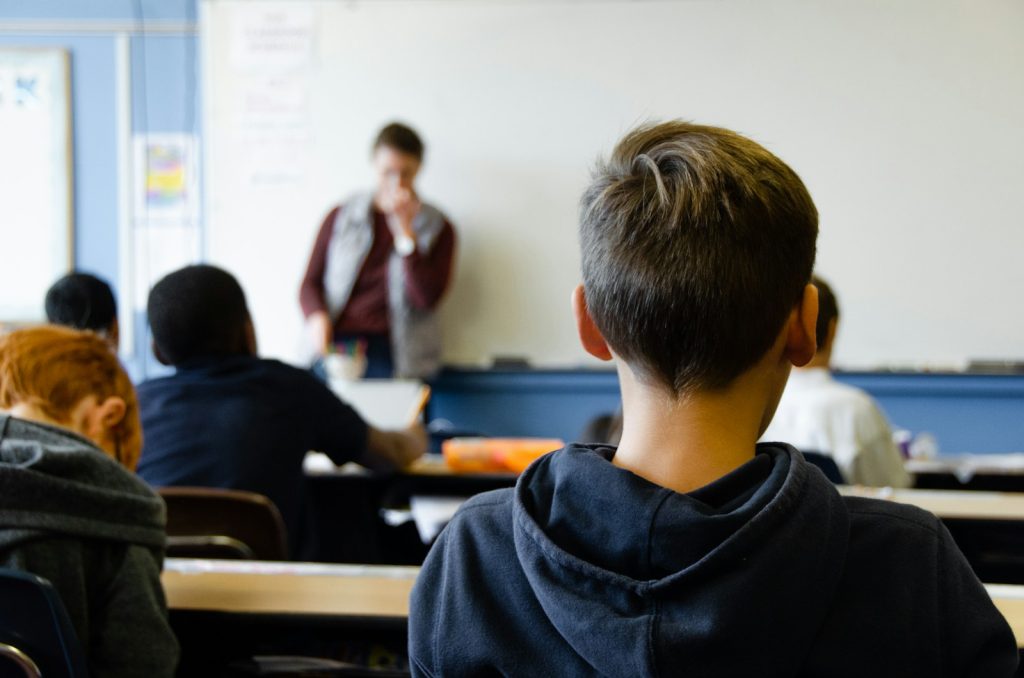
In many big cities, the math driving closures starts with empty seats. Districts that once struggled with overcrowding are now confronting buildings that are half full, a problem that erodes budgets and fuels arguments for consolidation. Reporting on enrollment trends shows that districts across the United States are wrestling with how to keep doors open when fewer students are walking through them, a reality that has pushed leaders to study which campuses can survive and which will be marked for closure as they confront shrinking school enrollment.
The pressure is especially acute in major urban systems that have already endured years of churn. Officials in cities like Philadelphia and Boston are weighing whether to close neighborhood schools that have anchored communities for generations, while families try to parse whether the promised savings will ever translate into better classrooms. The debate is not limited to the Northeast, either, as the same analysis notes that Major school systems including Philadelphia, Boston, Houston and Norfolk, Virginia are considering shuttering schools, a list that underscores how widespread the problem has become and is detailed in a breakdown of how major districts weigh closures.
Parents in San Francisco and beyond feel blindsided
For families, the policy logic behind closures often matters less than the shock of learning that a child’s school may disappear. In San Francisco, parents have packed public meetings and spoken out on camera, describing how proposed shutdowns would hit students who already struggle with change. One parent speaking in Oct described how children on the spectrum are especially vulnerable when their routines are disrupted, a plea captured in footage of parents upset over potential SF school closures that has circulated among advocacy groups and neighborhood associations.
The sense of being left out of the conversation is not unique to the Bay Area. In Kentucky, families connected to JCPS have voiced similar frustration, arguing that decisions about which schools to close or merge are being made without meaningful community input. Parents, students and staff in JCPS have said they were not consulted before plans were rolled out, a complaint that surfaced in coverage of JCPS parents, students and staff react to school closures and has since become a rallying cry for those demanding more transparency.
Demographic shifts and new learning models reshape the map
Behind the emotional testimony sits a structural story about where families live and how they want their children to learn. District leaders point to an urban exodus that accelerated during the pandemic, as parents with means moved to suburbs or smaller cities, leaving behind fewer students to fill large, aging campuses. Analysts tracking national patterns describe a wave of school closures sweeping the United States as enrollment falls and families gravitate toward smaller, more flexible learning environments, a trend outlined in a report on how urban exodus and smaller learning environments reshape education.
At the same time, districts are experimenting with new models that do not always fit the traditional neighborhood school footprint. Some families have shifted to charter schools, microschools or hybrid programs that blend online and in-person instruction, leaving conventional campuses with fewer students and less political backing. The result is a feedback loop in which declining enrollment justifies closures, closures fuel further distrust, and more parents look for alternatives, deepening the very trends that made their local school vulnerable in the first place.
Memories of pandemic shutdowns heighten today’s anxiety
For many parents, the current wave of closures revives painful memories of the abrupt shutdowns during the early months of COVID-19. Those closures were temporary, but they exposed how fragile school-based support systems can be, especially for children who rely on campuses for meals, counseling and special education services. One New Yor parent described breaking down in tears when schools closed because it meant her children might lose access to food and stability, a reaction captured in reporting on how families grappled with the impact of US school closures during the coronavirus crisis.
That experience has left a mark on how communities interpret today’s announcements. When districts now talk about “right-sizing” or “consolidation,” parents hear echoes of the disruption that set back learning and strained mental health earlier in the decade. The fear is not only that children will have to change buildings, but that the supports they depend on will once again vanish overnight, with little assurance that the new arrangement will be more stable than the last.
What collapsing school networks mean for neighborhoods
The closure of a school is rarely just an educational decision, it is a neighborhood event that can reshape local life for years. When a campus shuts its doors, nearby small businesses lose foot traffic, community groups lose meeting space and families lose a daily gathering point that helped knit them together. In cities where multiple schools are on the chopping block at once, the effect can resemble a slow hollowing out of civic infrastructure, as parents who can move seek out districts they perceive as more stable while those who stay face longer commutes and more crowded classrooms.
Parents’ panic, then, is rooted in more than sentimentality about old buildings. It reflects a clear-eyed understanding that once a school is gone, it rarely comes back, and the community that formed around it is difficult to rebuild. As districts from Philadelphia and Boston to Houston, Norfolk, Virginia, San Francisco and JCPS weigh which campuses to close, the stakes extend far beyond test scores or budget lines, they reach into the daily rhythms of family life and the future of neighborhoods that are already under strain.
More from Decluttering Mom: