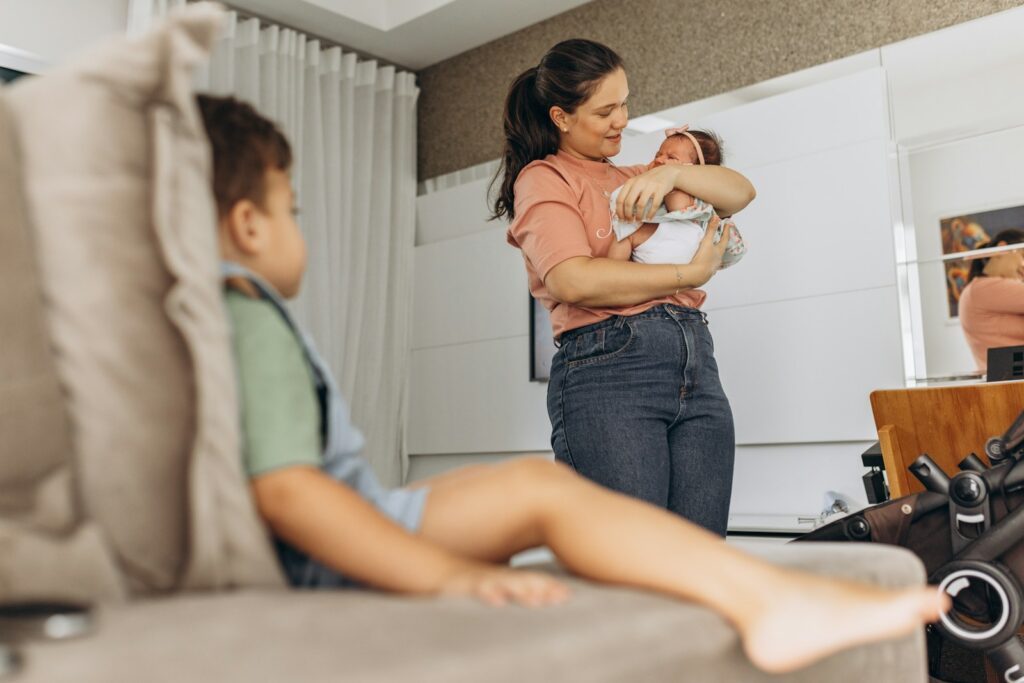
Relatives booked a high-end restaurant months in advance, coordinated travel, and agreed on one firm condition: no children. The cousin with an 8-month-old said she would arrange a sitter. Then she walked in carrying the baby anyway.
The story, which surfaced in an online forum and quickly drew thousands of responses, struck a nerve not because it was unusual but because it was so recognizable. For the relatives who had committed money and PTO to a rare adult evening, the broken promise felt less like a parenting hiccup and more like a unilateral decision that their plans did not matter. The fallout tapped into a cultural argument that keeps intensifying: where do infants belong in upscale spaces, who gets to draw those lines, and what happens when someone simply ignores them?
The Promise, the Baby, and the Table That Went Silent
What made the cousin’s move so jarring, according to the flood of online commentary, was the sequence. She did not show up apologetically after a last-minute sitter cancellation. She had agreed to the child-free condition, let others plan around it, and then arrived with the baby as though the agreement had never existed. The group was left to choose between confronting a relative holding an infant or silently absorbing a change none of them had signed up for.
The pattern is not new to anyone who has organized an adults-only event. In a widely discussed Reddit thread, a woman described how a friend cancelled her sitter to save money, then brought her baby to a group outing and expected everyone to roll with it. When the rest of the group walked out, the friend was stunned. In both cases, the person who broke the agreement seemed to be counting on social pressure to prevent pushback.
Why Fine Dining and Infants Keep Colliding
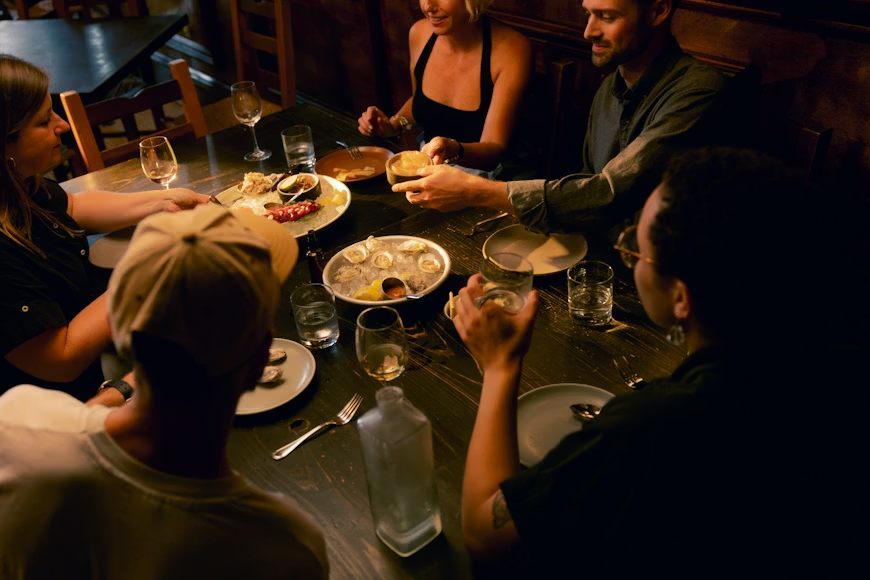
High-end restaurants are engineered around control: timed courses, calibrated acoustics, precise plating. An 8-month-old operates on a different schedule entirely. That tension exploded into public view in January 2014, when a couple brought their baby to Alinea in Chicago on a Saturday night. Chef Grant Achatz took to Twitter to ask whether an infant belonged in what he called his temple of modernist cuisine. The couple reportedly felt stuck after a sitter fell through, a situation any parent can sympathize with, but the choice forced every other diner in the room to share the consequences.
The backlash was fierce enough that Alinea publicly weighed implementing a formal baby ban. The episode illustrated how a single incident can push a restaurant toward a blanket policy, and it split opinion cleanly: one camp argued that a $300-per-person tasting menu comes with an implicit promise of calm; the other insisted that excluding babies punishes parents who already face limited options.
More than a decade later, the debate has not settled. If anything, it has sharpened as tasting-menu culture has expanded and social media has given every disrupted dinner a potential audience of millions.
When the Argument Goes Viral
Not every clash over children in restaurants stays at the table. In north Georgia, a dispute over a noisy child in a casual dining room escalated into a shouting match caught on a customer’s phone. WSB-TV aired the clip, which showed one patron complaining loudly while another defended the parent, insisting “It’s a baby” and that the child had done nothing wrong. The video distilled the core disagreement into a few seconds of raw frustration on both sides.
The cousin’s restaurant standoff did not end up on camera, but the social mechanics were the same. One side views a baby as inseparable from the parent, who should be welcome anywhere adults go. The other views a high-end dinner as a purchased experience with boundaries that a crying infant can shatter in seconds. When these arguments play out among strangers, they’re uncomfortable. When they play out across a family table, they leave marks that last well past dessert.
What the Internet Keeps Saying (and Why It Matters)
Reddit’s judgment forums have become an informal archive of these disputes, and the verdicts skew heavily in one direction. In one post, a diner asked whether they were wrong for bringing an infant to an upscale restaurant after backup plans collapsed. The top responses were blunt: an upscale restaurant is not the place to improvise with a baby, especially when rescheduling or ordering takeout were available alternatives, even if they were disappointing ones.
Other threads trace how friendships crack under the same pressure. One host described telling a friend she could not bring her child to a birthday dinner that had been labeled child-free weeks in advance. In another, a partner recounted how his girlfriend wanted to bring their newborn to a fine-dining restaurant; he told her he would skip the meal rather than risk ruining other diners’ evenings. These stories are anecdotal, but their volume and consistency suggest a real fault line in how people weigh parental flexibility against communal expectations.
The cousin with the 8-month-old fits the pattern precisely. She was not navigating ambiguity. The boundary had been stated, accepted, and planned around. What she tested was not etiquette but trust.
Restaurants Are Starting to Decide for Everyone
As these conflicts accumulate, some venues have stopped leaving the question to individual judgment. Kin Dining and Bar in Sydney drew attention when it banned diners under 18, citing repeated disruptions from young children and crying infants. The policy echoes the post-Alinea conversation, when some diners argued that only a firm age cutoff could prevent recurring confrontations.
In the United States, restaurants generally have the legal right to set age minimums. Federal civil rights law prohibits discrimination based on race, religion, sex, and national origin, but age-based restrictions on minors in dining establishments are not covered under those protections. A growing number of American restaurants have quietly adopted “no children under 6” or “no children under 10” policies for evening service, framing them as part of the dining experience rather than as exclusion.
For parents, these rules can sting, especially for those without reliable or affordable childcare. But for restaurants and their other customers, posted policies remove the most painful part of the equation: the in-the-moment confrontation that no one handles gracefully.
The Harder Question: Family Trust
Restaurant policies can manage strangers. They cannot manage a cousin who looks you in the eye, agrees to a plan, and then breaks it. That is the detail that made this story resonate far beyond a debate about dining etiquette. The relatives did not just lose a quiet evening. They learned something about how this cousin weighs her own convenience against a group commitment, and that knowledge does not reset when the check arrives.
Online, similar family fractures surface in threads about relatives who demand free babysitting and then lash out when refused, like one poster who described a cousin who yelled at them for declining to babysit. The entitlement takes different shapes, but the engine is the same: one person deciding that their circumstances override everyone else’s boundaries.
The baby at the fancy restaurant was never really the problem. The problem was the adult who carried her in.
More from Decluttering Mom: