

Life on the road looks glamorous in photos, but many people want to know what it really costs. One family decided to answer that question with a full list. The post from @keepingupwlaci walks through every monthly expense for living in an RV full time, and the final number is $1,603 for the month.

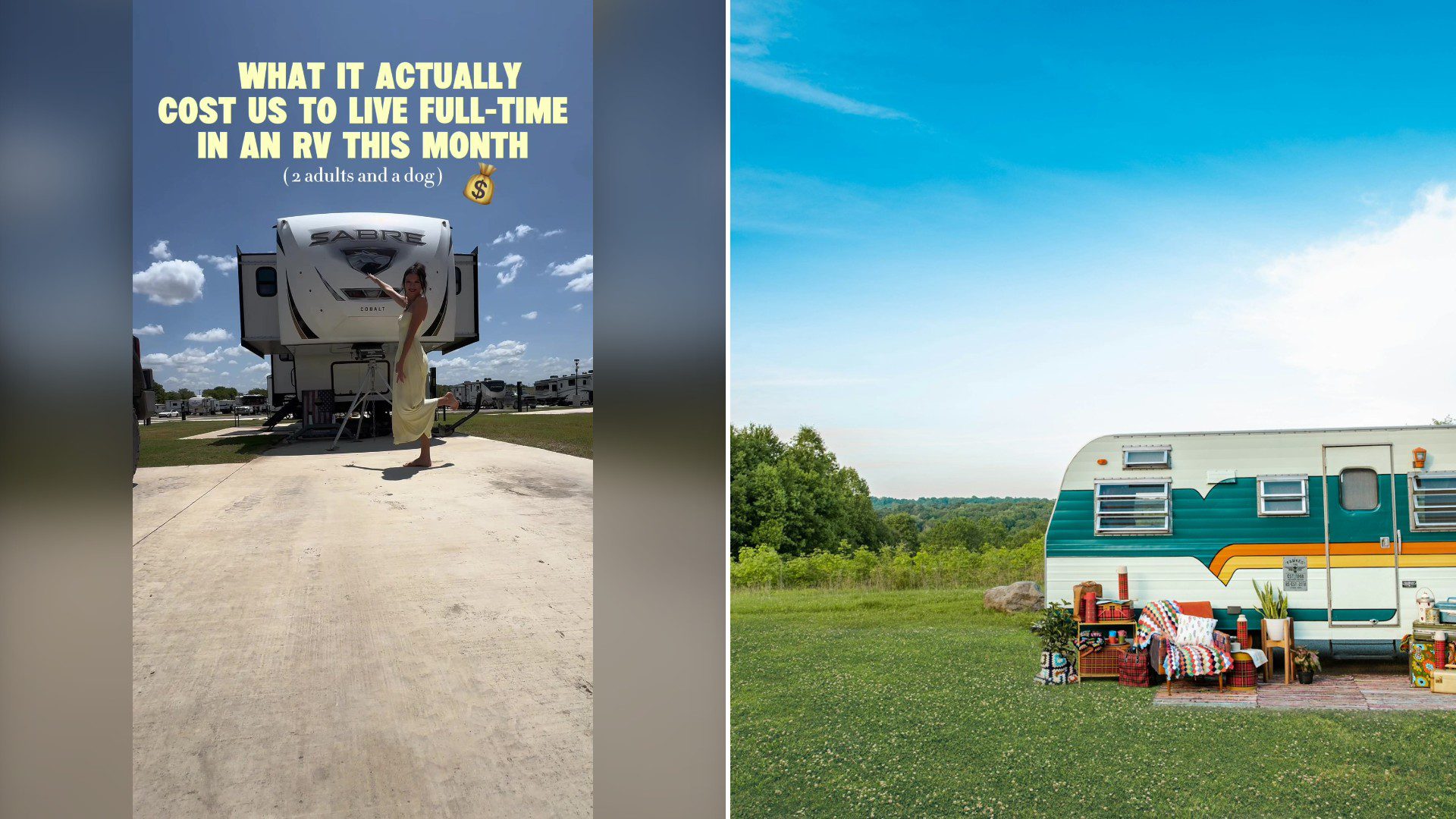
@keepingupwlaci
The caption explains why they chose this lifestyle. They can travel to where the opportunities are, make the best money and bring their home with them. They also admit that it may not be the cheapest lifestyle, but they say the freedom and opportunities make it completely worth it.
The Biggest Bill Is The Campsite
The largest expense is the RV site, which costs $700 a month. The creator says that is higher than normal because the family is staying at a really nice RV park, and that sites are cheaper elsewhere. That is a helpful reminder that location and amenities can swing this number a great deal, from budget parks to resort style stays.
Electricity comes next at about $200 for the month. The family is in Texas in the middle of summer, and the creator says the air conditioner runs constantly. Anyone who has lived through a Texas summer will understand why that number is so high, and it would likely be much lower in a milder season.
Groceries And Everyday Costs
Groceries come to about $400 a month. According to the creator, that figure also covers food for their pet, Cash, plus household essentials. The creator adds that homemade dinner is cooked every night, which is a big reason the grocery spending stays manageable. Cooking at home is one of the most reliable ways to keep a food budget under control, whether you live in a house or an RV.
Laundry runs about $25 a month because there is no washer and dryer in the RV. Starlink, the satellite service, costs about $50. A pet fee for Cash adds $25. Filling up the creator’s car costs about $40, while Mason’s diesel is covered through his job. RV insurance is $48.
There was one cost the family did not have this month. They did not have to fill propane, because they invested in a really large tank. That is a good example of spending more up front to save later, though the creator does not give a price for the tank.
The creator gives the total for the month as $1,603. The individual items she lists add up to $1,488, so about $115 of that total was not itemized in the post. That figure is for this month only, so costs will move around from one month to the next.
What The Numbers Tell Us
It is easy to see how the list breaks down. The campsite is a little over forty percent of the total, and the campsite and groceries together make up well over half of it. Everything else, from the satellite service to insurance, is a relatively small slice. When you are planning an RV budget, the site and food are the places where choices will matter most.
Of course, this is one family’s month, and it should not be taken as a rule. Your total could be higher or lower based on where you park, how large your rig is, how many people and pets travel with you, and how often you drive. Loan payments, repairs, maintenance and health insurance are common costs for many full time travelers, and each family handles them differently.
Tips For Anyone Curious About Full Time RV Living
If you are thinking about a similar lifestyle, a few general ideas may help you plan.
First, write down every category before you start. Include the obvious items like the site, fuel and insurance, but also the small ones like laundry, mail, phone service and pet fees. The creator’s list shows how many little costs add up.
Second, look at monthly rates. Many parks offer a lower price per night when you stay for a month or longer. Staying in one place for a while can also cut fuel costs, because you drive less. Ask about utilities, since some parks include electricity and others bill separately.
Third, plan for the weather. Air conditioning in summer and heating in winter can raise electric costs sharply. Good insulation, window covers and shade can help. Think about timing your travels so you spend the hottest months in cooler regions when that is possible.
Fourth, think about connectivity and work needs before you leave. This family relies on satellite service, and the creator says they travel where the opportunities are. Reliable connections matter if your income depends on being online, so research coverage before you commit to a location.
Fifth, keep cooking at home. A small kitchen can still produce plenty of meals, and batch cooking, simple pantry staples and a slow cooker can stretch a budget. Homemade dinners every night, as this creator describes, are a major reason the grocery number stays reasonable.
Finally, build a cushion for surprises. Tires, repairs and appliance problems can show up without warning, and a travel home needs regular maintenance. Setting aside money each month helps you handle them without stress.
Freedom Has A Price Tag
The post from @keepingupwlaci does not claim that RV life is a bargain. Instead, it offers an honest look at what one family pays and why they think it is worth it. For anyone dreaming of a home on wheels, seeing the real numbers is a smart first step.