The grocery store is full of things we have always assumed we had to buy. For one homesteading family, that list got a lot shorter. In a short post shared on social media, @morethanfarmers names five items they no longer buy, and each one comes from their own land.
@morethanfarmers
The creator says these are five things she does not buy anymore at the grocery store, and her post encourages others by saying you can learn to do these things too. She also says the family shows how they make it all happen in longer lessons on YouTube.
Number One Is Bone Broth
Number one is bone broth. She says she makes an easy Instant Pot broth using the chickens the family raises on their pastures. She adds the hearts and livers to the pot as well. Using the whole bird is an old kitchen habit that cuts waste and stretches the value of every animal raised.
Number Two Is Vegetables
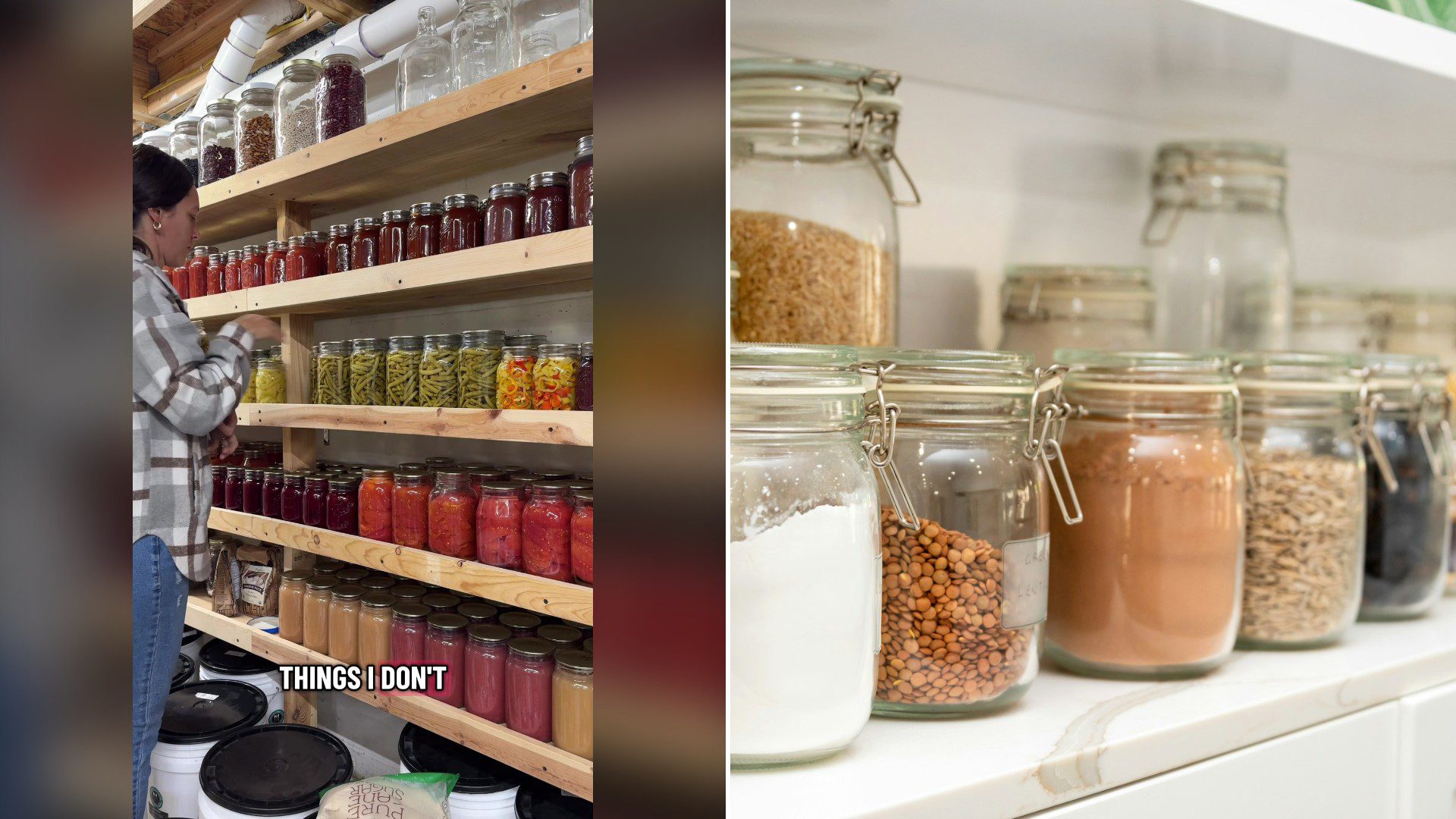
Number two is vegetables. She says they harvest hundreds of pounds of potatoes, carrots, sweet potatoes, squash, onions, and much more from their garden every summer. To keep it all through the year, they store it in a cold room, on canning shelves, and in their freezers. Root crops like potatoes, carrots, and squash are some of the best candidates for storage, since they keep for months in cool, dark, slightly humid conditions.
Number Three Is Berries
Number three is berries. She picks big bowls of strawberries and raspberries, turns some into jam for the canning shelf, and puts the rest in the freezer for smoothies and desserts. Berries are expensive in the store, especially out of season, so a few productive plants can make a real difference to a grocery bill.
Number Four Is Condiments
Number four is condiments. She makes all of the family’s tomato sauces with tomatoes from her garden. She also makes relish and pickles from home grown vegetables. Homemade condiments are a good project for beginners because they use a surplus harvest and need only basic equipment.
Number Five Is Bar Soap
Number five surprises many people: bar soap. She saves the suet from the steers the family processes, renders it into tallow, and uses it to make her own bar soaps for bathing, shaving, and even household cleaning. Tallow has a long history in traditional soap making. It is worth noting that soap making involves lye, a caustic ingredient, so beginners should follow a trusted recipe and wear gloves and eye protection.
How to Start Small Wherever You Live
Most of us do not have pastures or a cold room, but the spirit of this list can be scaled to fit almost any home.
Start with one crop. A few tomato plants in pots, a row of potatoes, or a tub of herbs can offer a taste of home production. Pick something you already buy often.
Learn one preservation method. Freezing is the simplest. Water bath canning is the next step for jams, pickles, and tomato sauces, and it needs only a large pot, jars, and tested recipes.
Use the whole ingredient. Save vegetable scraps and bones for broth, and freeze them until you have enough for a pot. It is a free way to cut the cost of stock.
Buy in season. If you cannot grow berries, buy extra at peak season from a farmers market or a pick your own farm, then freeze or can them for later.
Make one condiment from scratch. Pickles, relish, and simple tomato sauce are forgiving first projects. Always use tested canning guidelines for safety.
Trade with neighbors. Gardeners often end up with too many zucchini or tomatoes. Swapping surplus is a great way to widen your pantry.
Plan your storage. Even a basement corner, a closet shelf, or a chest freezer can be organized into a pantry system. Label everything with the date.
The Bigger Picture
A homestead like this takes years of work, land, equipment, and time, and the results she describes are her own account of her family’s experience. Not every household can raise chickens or process steers, and that is perfectly fine. The point is not to copy every step. It is to notice how many everyday purchases can be replaced by skills and by a little planning.
Even small steps count. Growing a pot of herbs, making one batch of jam, or boiling a pot of broth from leftover bones all add up to less spending and more knowledge. As the creator says, you can learn to do these things too. Pick the item on this list that fits your life best, and try it this season.
Why a Pantry Plan Pays Off
There is a quiet benefit to making and storing your own food: you become less affected by price swings. When the cost of vegetables or condiments rises at the store, a family with full canning shelves and freezers feels it less. Many people also enjoy the satisfaction of knowing exactly what goes into their jars. Even if you start small, a shelf of homemade jam or a freezer of summer berries gives a pleasing sense of security through the colder months.
It also teaches patience. Gardens, broth, and soap all take time, and each project gives a lesson in planning ahead. Start with a weekend project, learn from the first batch, and build up from there.
Whichever item you choose, write down what you spent before and after. Seeing the savings in black and white is often the motivation that keeps a new habit going through a long winter.