Holiday scent is no longer just about tossing a pine candle in your cart and calling it a day. As fragrance culture explodes and home decor gets more curated, you are suddenly faced with a choice: lean into the classic tree smell or follow designers toward softer, moodier blends that treat scent like a piece of furniture. That tension is what is quietly splitting opinions in studios and living rooms, even as the same handful of festive notes keep topping gift lists.
The pine problem: classic, beloved, and a little too obvious

If you grew up around a real tree, the smell of pine probably feels like non‑negotiable Christmas. Designers know that, which is why the most traditional holiday mood boards still start with a forest of evergreens. Guides to seasonal fragrance routinely describe Pine as the most classic Christmas note, the one you burn when you want your home to smell like you just dragged a fresh tree through the front door. That same nostalgia shows up in candle advice that singles out Pine and Fir as the shortcut to a cozy, tree‑lit living room, even if you are working with a plastic spruce.
At the same time, the very strength that makes pine so evocative is what makes some designers hesitate. Green accords can read sharp and literal, which is why one critic notes that They (Green fragrances) so often feel harsh and demanding, and even “out of line with current trends.” That is the quiet design dilemma: you might love the instant holiday hit, but if you are styling a minimal apartment or a carefully layered tablescape, a loud evergreen candle can bulldoze everything else. The divide is less about whether pine is “good” and more about whether you want your space to shout Christmas or suggest it.
Cozy blends are stealing the mood board
While you are debating the tree smell, another camp is building holiday stories around texture instead of forest air. Perfumers and home‑fragrance brands are leaning into notes that feel like fabrics and cocktails, with combinations like Cashmere, vanilla bourbon, suede, tonka, and dried fruits that wrap the senses like a soft winter blanket. These blends still read festive, but instead of smelling like a tree lot, they smell like the after‑party: dim lights, a good drink, and a cashmere throw over your lap. Designers who favor this direction are not anti‑pine, they just want a scent that can live on your coffee table long after the ornaments are packed away.
That shift lines up with a broader move in perfume toward more complex, layered compositions. Fragrance expert Sachi Parekh points to a clear move away from overly sweet formulas and toward scents that build depth with unexpected notes. Home fragrance is following that same playbook, treating candles and diffusers like personal perfume for your space. Instead of one big pine statement, you are seeing holiday collections that layer woods with spices, suede, or dried fruit so the room smells dressed, not costumed.
Designers are chasing “quiet luxury” in a scented world
Behind the scenes, the fragrance industry is reshaping itself around how you actually live with scent. One major beauty group notes that But it (EB Florals) is diversifying as the fragrance category evolves, especially in the United States, where the consumer is increasingly interested in niche scents instead of mass‑market blockbusters. That appetite for something more tailored is exactly what pushes designers to experiment with subtler holiday blends, even when the safe commercial move would be another straightforward tree candle. You are not just buying a smell, you are buying into a point of view about how your home should feel.
On the home front, brands are also treating candles as decor objects that need to earn their place visually and olfactively. Guides to the best candle makers highlight how NEST New York candles easily add to your decor with simple glass holders, and note that many of the most coveted scents are only available for a limited period throughout the year. That scarcity, paired with clean design, encourages you to think of a holiday candle the way you would a seasonal throw pillow or a limited‑edition vase. The more your space leans into that “quiet luxury” aesthetic, the more likely you are to reach for a soft Cashmere blend over a loud evergreen.
Holiday scent is now a lifestyle, not a one‑note tradition
The other big force behind this divide is how intensely people are living in the world of fragrance. One cultural deep dive describes how, after a woman started taking After she started taking Mounjaro, food no longer appealed to her and Fragrance filled the dopamine void. That kind of story captures how scent has become a full‑blown hobby, complete with spreadsheets, sample hauls, and online debates about what is “basic.” When you care that much, a simple pine candle can feel too easy, which is why some designers and enthusiasts treat it as a starting point rather than the whole show.
Online communities echo that tension between what is popular and what feels special. In one discussion, a fragrance fan points out that scents like Santal 33 and Baccarat Rouge 540 are constantly hyped in the fragrance community, yet you rarely smell them on anyone in real life, even though the numbers 33 and 540 are everywhere online. That gap between community darlings and everyday reality is exactly what you see with holiday scent: pine is the obvious crowd‑pleaser, but the people obsessing over candles and diffusers are often chasing something more niche, more layered, and less likely to be burning in every other apartment on your block.
How to choose your side without losing the holiday magic
So where does that leave you when you are staring at a wall of candles in December, trying to decide what your home should smell like? One way to think about it is to treat pine as your anchor and build around it. You can still get that instant Christmas hit from a classic Embrace the power of scent approach that uses evergreens to turn your home into a haven of holiday cheer, then layer in softer notes through smaller candles or room sprays. That way, the tree smell sets the scene while cozier blends add dimension, instead of letting one loud note dominate every corner.
If you are more drawn to the subtle side, you can flip the script and let texture lead. Modern home‑fragrance advice notes that, However, modern trends are pushing for more refined and neutral variations, with Fragrances such as sandalwood, amber, and woody accords offering a sense of luxury and sophistication. You can still nod to the season with a hint of spice or dried fruit, but your home will smell like itself first and “holiday” second. That approach also plays nicely with how Product information is now surfaced online, where shopping platforms map out related candles, diffusers, and room sprays so you can build a whole scent wardrobe instead of grabbing a single jar on impulse.
The new holiday staples: citrus, spice, and designer collabs
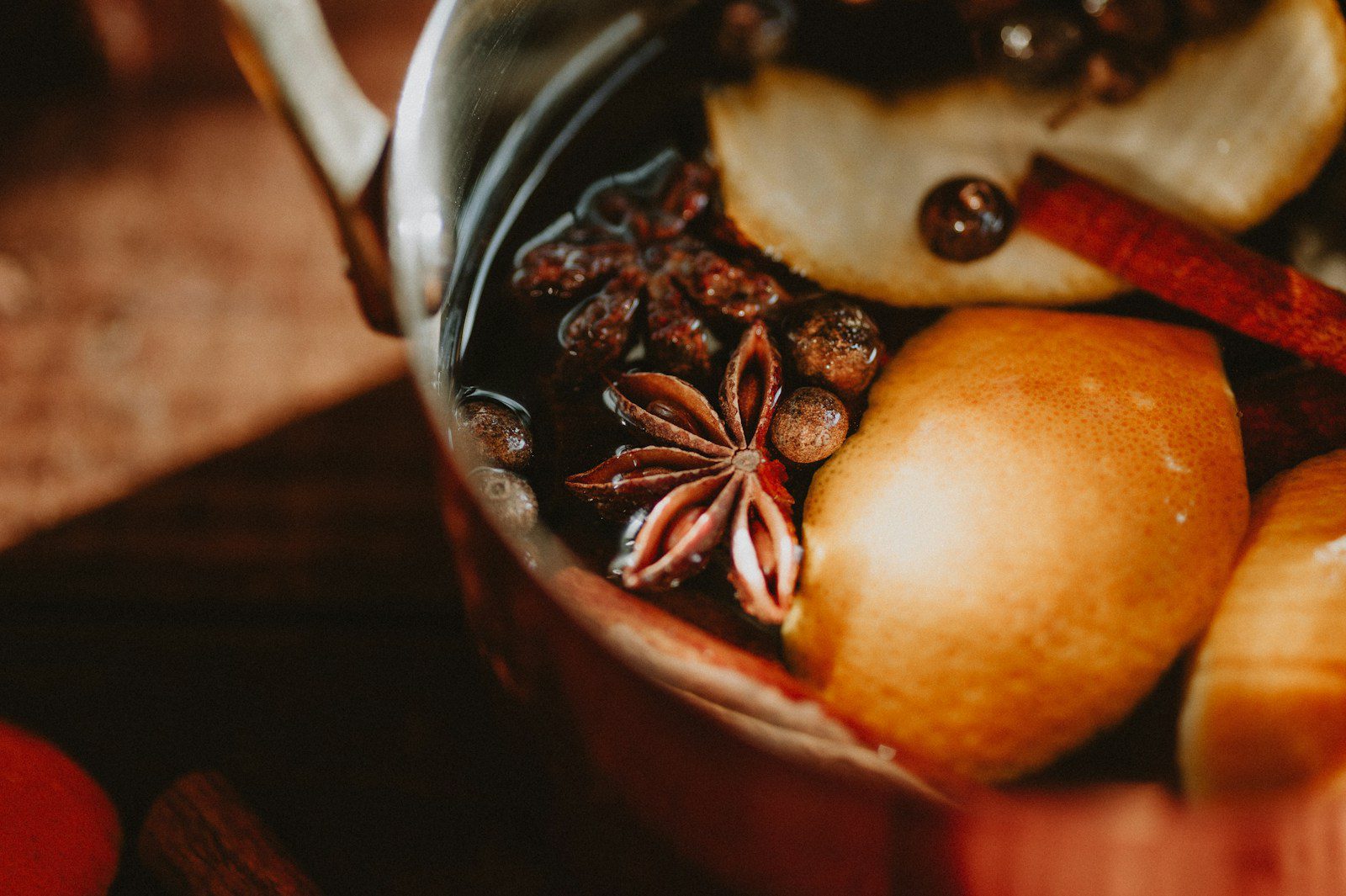
Even as designers debate how loud your tree should smell, some new staples are quietly joining the holiday lineup. Citrus and spice blends are having a moment, especially in high‑profile collaborations that package scent as a full lifestyle. One standout Christmas Scent collection features a fragrance called Christmas Joy with a festive mix of mandarin, cinnamon, and cloves over a heart of pine needles, all delivered straight to your door. It is a perfect example of the compromise designers are gravitating toward: you still get the tree, but it is wrapped in fruit and spice so it feels more like a composed perfume than a single‑note room spray.
That kind of blend also reflects how you probably use your space in December. You are not just sitting around admiring the tree, you are cooking, hosting, and working from the same kitchen table. A candle that leans on mandarin and cinnamon can play nicely with mulled wine on the stove, while the pine heart keeps the whole thing grounded in Christmas Joy. The result is a holiday scent that feels designed rather than default, which is exactly what many stylists are after when they build a room around a single flame.
More from Decluttering Mom: