The retired couple thought their cluttered garage was just a monument to procrastination, not a hidden balance sheet. Only when their kids pushed them to clear it out did they realize the dusty shelves and tarped car in the corner held thousands of dollars in forgotten collectibles. Their surprise is becoming less unusual as everyday households discover that old toys, tableware, and even family cars can quietly turn into serious money.
What looks like junk in a dim garage often lines up with what collectors are hunting for right now. From childhood action figures to classic cars, experts say the market is rewarding people who held onto quality items without even trying. The trick is knowing what to look for before it ends up in a yard sale box.
The toys, trinkets, and tableware hiding in plain sight
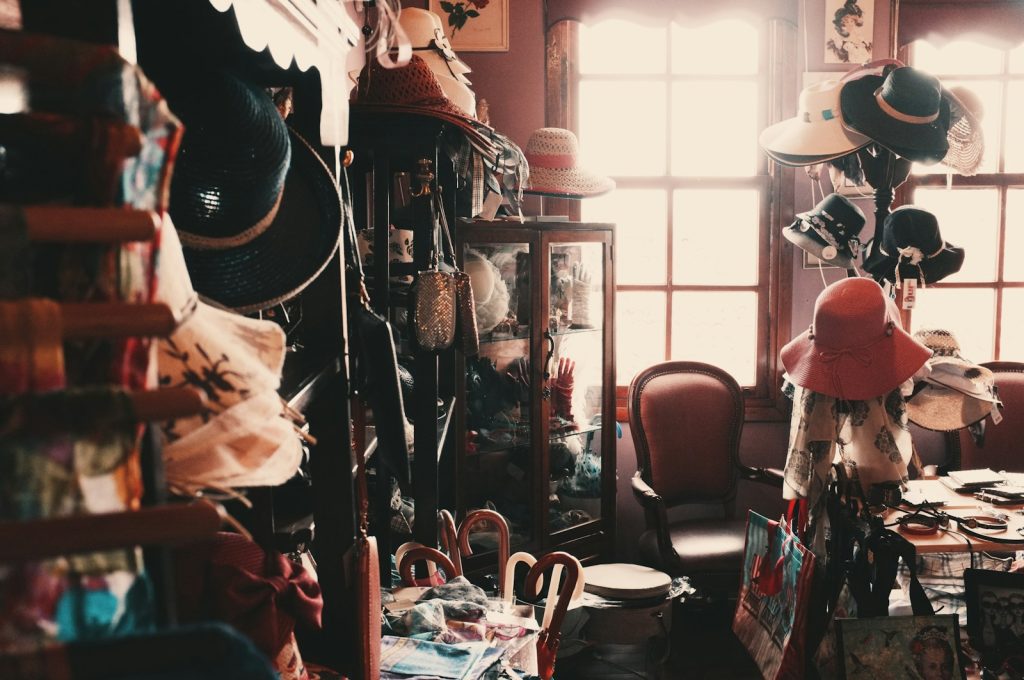
In this couple’s case, the first clue came in a stack of plastic bins marked “kids’ stuff.” Inside were action figures, dolls, and board games that had not seen daylight since the 1990s, some still in their original packaging. That kind of untouched condition is exactly what has pushed old playthings into the collectible spotlight, with guides urging people to Remember how easily those childhood items can turn into cash. For this couple, it meant their grandkids’ favorite rainy-day toys were suddenly off-limits and headed for appraisal instead.
Mixed in with the toys was a heavy silverware chest they had not opened in years. Inside, they found a complete service for twelve from a respected maker, the kind of Full flatware set experts single out as a future standout, especially when the pattern comes from names like Gorham, Reed and Barton, Wallace, or Towle. What they had treated as “the good silver” for holidays turned out to be a textbook example of how traditional tableware is moving from china cabinets into investment portfolios.
From “sleeping” cars to tiny treasures
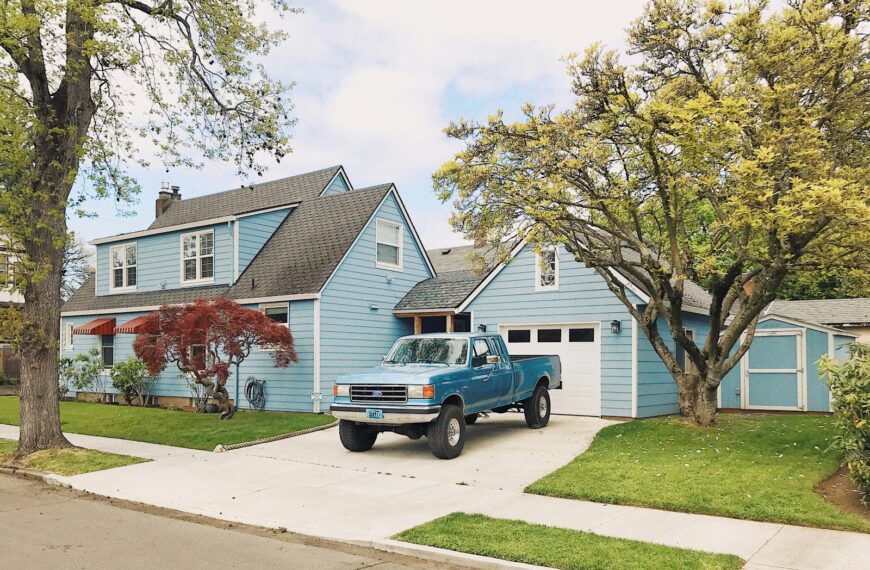
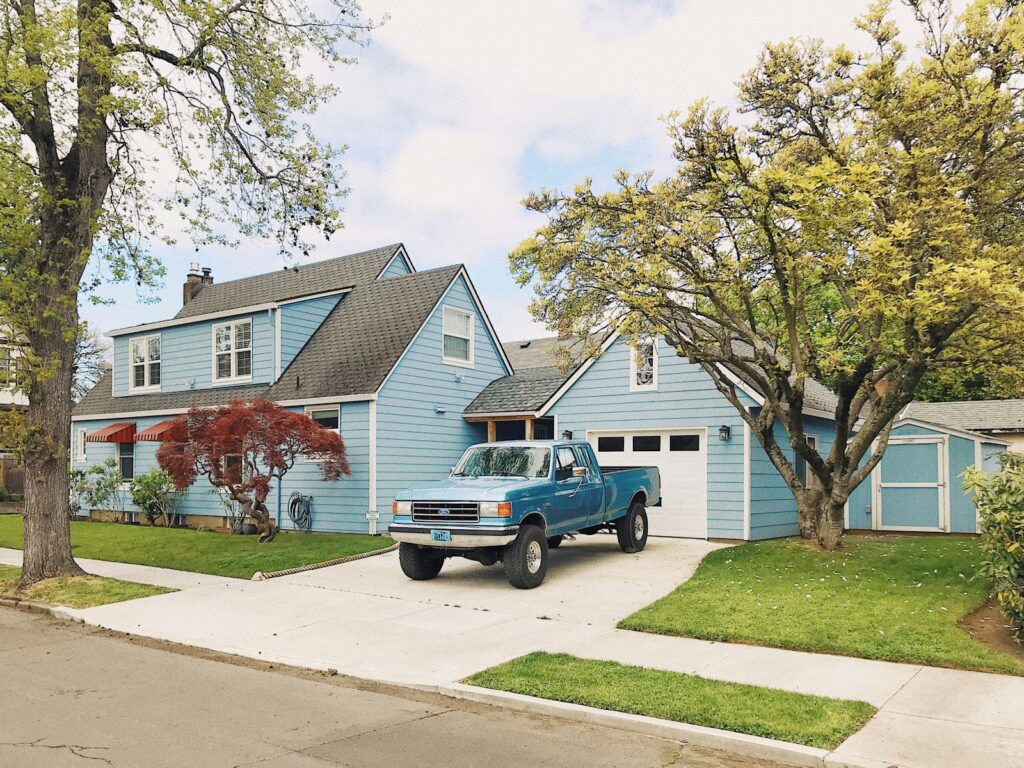
The real shock, though, was parked under a dusty cover at the back of the garage. The couple had long since stopped driving their aging coupe, assuming it was worth little more than scrap. Only after a neighbor mentioned rising interest in older vehicles did they call a specialist, who compared their find to the kind of Sleeping classics that have been discovered in locked garages overseas. Those “sleeping beauties” stories, echoed again in coverage from Yahoo News UK, have helped convince owners that even a long-neglected car might be more than a sentimental relic.
Collectors are not just chasing million-euro unicorns. Enthusiasts are also combing through listings for more approachable models, with guides flagging Classic Cars Worth such as the 1967 to 1973 Mercury Cougar, complete with Image Credit to Greg Gjerdingen on Wiki Commons that underscores how these are cars with stories worth telling. The couple’s car was not a Mercury Cougar, but it did fall into that sweet spot of authentic driving experience and rising collector interest, which meant a valuation that instantly changed how they thought about their retirement budget.
Why “junk” keeps turning into jackpots
What happened in that garage fits a broader pattern that appraisers and auctioneers see all the time. Many couples, one auction house notes, have no idea that a painting they would price at $5 or $10 at a garage sale is actually a $25,000 piece of art. The same blind spot applies to smaller objects. A deep dive into miniature collectibles shows how tiny vintage pieces can quietly sell for thousands, with one researcher walking viewers through tiny items that look like trinkets but trade like blue chips.
Even mass-market goods can surprise their owners. A survey of household valuables points out that the more common pieces might fetch $30 to $60 on resale sites, while rarer versions of the same item can climb into the hundreds. Another guide to old home items stresses that Everything from vintage cookware to old-school gaming consoles is now in demand, which means the random box of kitchen gear or electronics in a garage might be more valuable than the furniture sitting in the living room.
How collectors think, and how to protect what you find
For anyone tempted to start hunting, seasoned collectors warn against chasing trends without genuine interest. One investing guide urges people to Adopt a “passion before profit” mindset, with the reminder that One of the first rules is to buy what you love so you are not stuck with boxes of unsellable stuff. That advice lines up with another look at future winners, which highlights Gorham, Reed and Barton, Wallace, and Towle as names worth learning if you already enjoy setting a formal table.
Pop culture is another lane where nostalgia and value collide. Experts tracking rising antiques point to TNMT, Hot Wheels, Transformers, Scooby, and Doo as franchises whose older merchandise is gaining traction. On the more modern side, collectors are watching Retiring Lego Sets year, since Lego kits that leave production, like the Razor Crest (Star Wars), can jump in price once they are no longer on store shelves.
The new risks of old stuff
Once people realize their garage is full of valuables, a new problem appears: keeping those items safe. Porch piracy has already shown how vulnerable everyday households can be, with one report estimating that That’s about $5 in parcels lost or stolen, including jewellery, cosmetics, and expensive electronics like laptops. If thieves are willing to swipe a cardboard box off a porch, a garage door left cracked open around a classic car or stack of toys is an obvious target.
Collectors who chase barn finds know this reality well. In one reflection on the hunt, Doug Tabet talks about how the romance of discovery has to be balanced with the practical work of securing and restoring what you find, especially as social media makes it easier for word to spread about a big score. For the retired couple, that meant upgrading locks, moving the most valuable pieces inside, and quietly working with professionals instead of bragging to the neighborhood group chat.
In the end, their cluttered garage turned into an unexpected financial cushion, not because they were savvy investors, but because they were patient pack rats. As more guides spotlight rising categories, from Well-kept toys to classic cars, the quiet lesson is simple: before you haul that next box to the curb, it might be worth a second look.
More from Decluttering Mom: