A single sign on a thrift store wall has set off a debate that thrifters have been having for years. Instagram creator @momsgotmoney shared a photo of a sign reading “No Resellers Allowed” and put a pointed question to her followers: should resellers be banned from Goodwill?
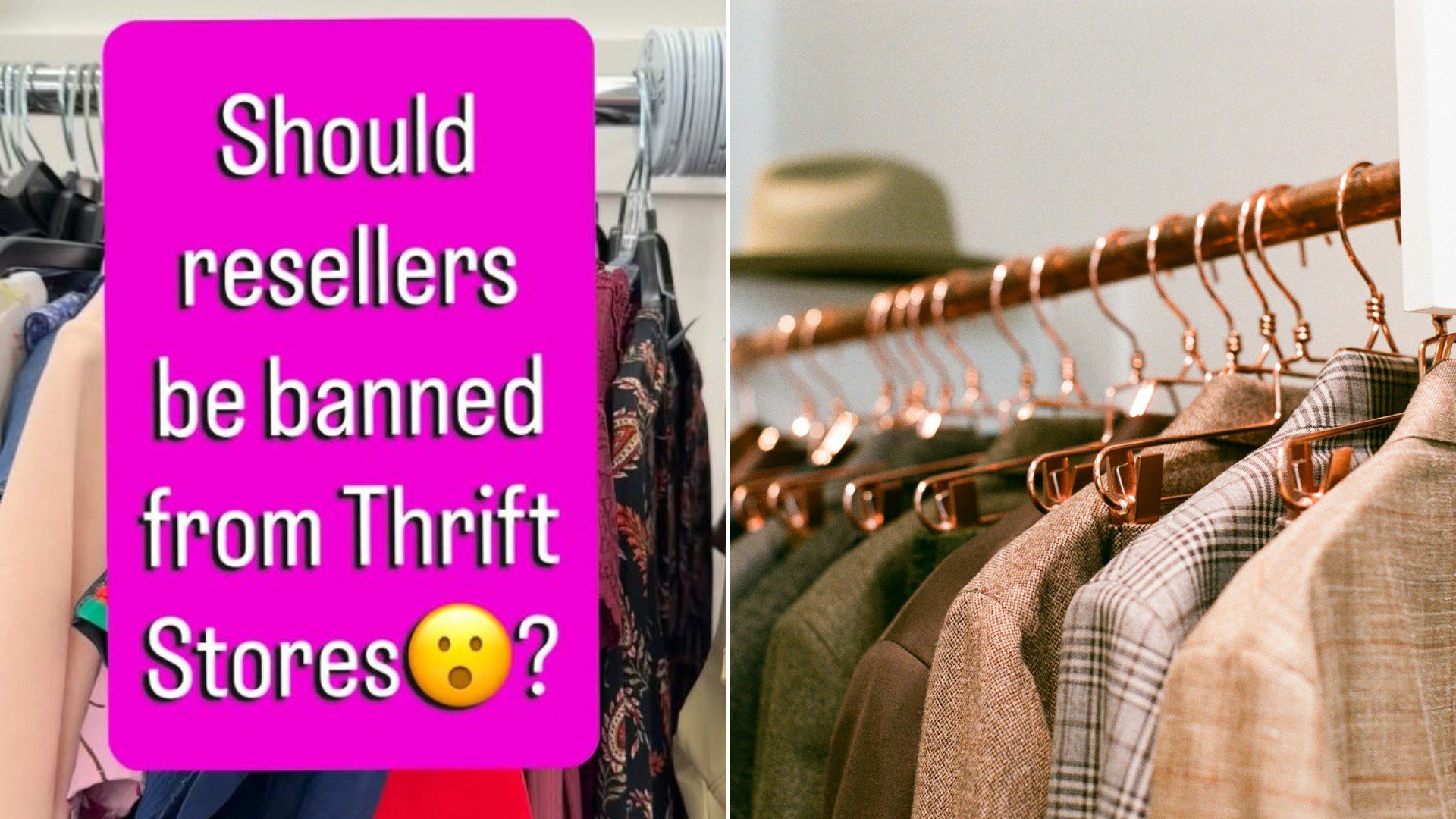
Her own take adds a twist that many people do not expect. She points out that resellers save items from landfills.
It is a fair question and a spicy one, because both sides of it have a point.
View this post on Instagram
A Sign Reading No Resellers Allowed Starts A Thrift Store Fight
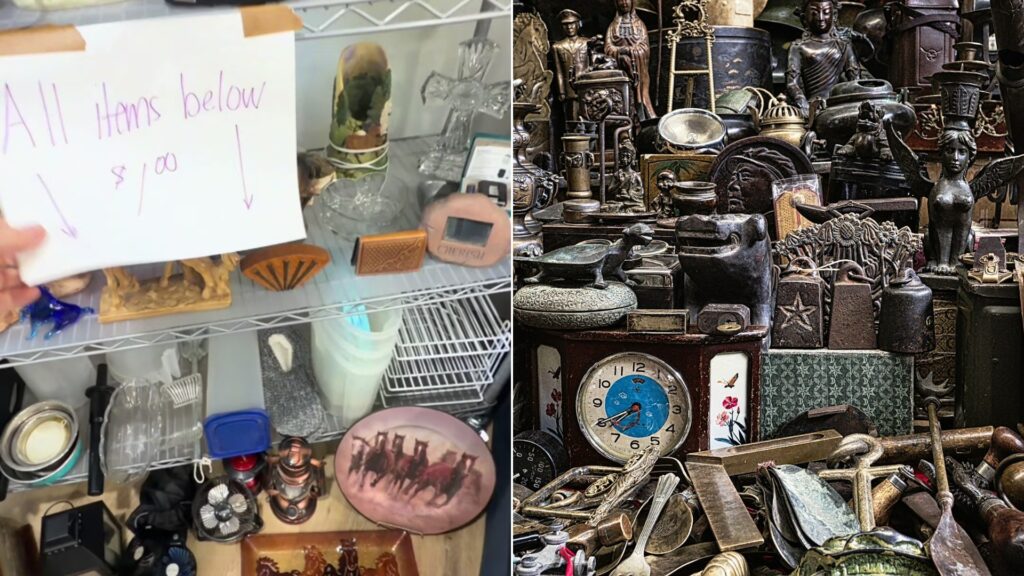
Anyone who shops secondhand has seen the same scene. A shopper with a phone scanning barcodes down a whole aisle, a cart overflowing with books or a stack of brand-name jackets headed for an online listing.
For some thrifters, that feels unfair. They are shopping for their own family’s needs, and they worry the best items vanish before they ever get a look.
Others see it differently. They say a store is open to everyone who pays at the register, and that a person who resells a find is just giving it a second trip around the block.
Resellers Save Items From Landfills, She Says
That is the heart of the argument @momsgotmoney raises. In her post, she notes that resellers keep items out of landfills, and that is hard to argue with when you look at the numbers.
The U.S. Environmental Protection Agency has reported that Americans send millions of tons of textiles to landfills every year, roughly 11 million tons in 2018. Clothing and household cloth are a big part of that pile.
Every sweater, cast iron pan or set of dishes that finds a second owner is one less item in the trash. A reseller who lists it online and ships it to a buyer is part of that chain, whether or not they are proud of it.
Why Stores Might Say No, And Why Thrifters Get Frustrated
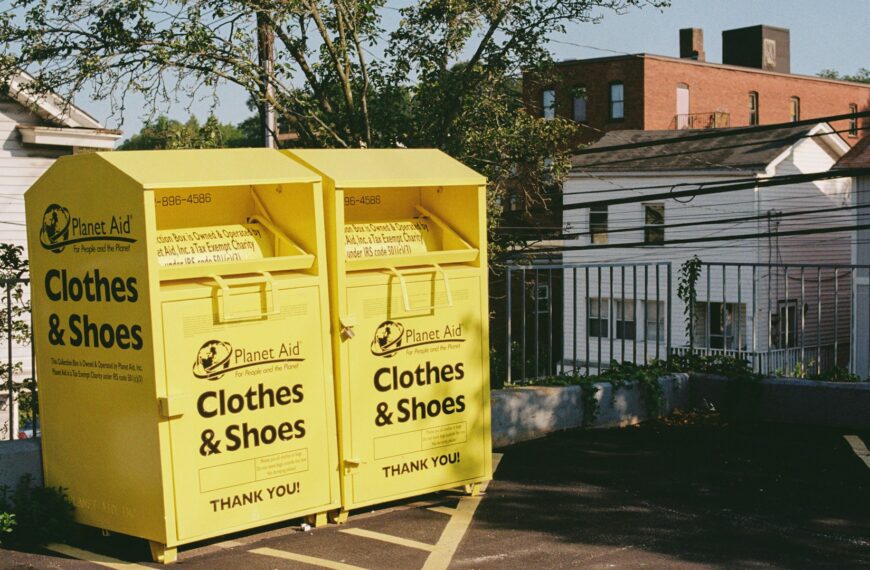
Thrift stores have their own reasons for rules. Nonprofit chains like Goodwill sell donated goods to fund programs such as job training and community services, so every sale matters to their mission.
A store might worry about shoppers who buy huge quantities in one visit and leave little for local families. Others may not want their shelves treated as a warehouse for an online business.
At the same time, a store that banned resellers would face a hard question of its own. How do you tell a reseller from a shopper buying a gift, a collector on a hunt or a decorator stocking a rental?
The enforcement problem is real. Nobody can read a shopper’s mind at the register, and most stores want the sale.
Both Sides Have A Point, So Where Does Fair Play Begin?
The good news is that you do not have to pick a team to shop with good manners. Plenty of long-time thrifters and resellers share a set of unwritten rules.
Do not dump a whole rack into your cart and walk away. Leave items you are unsure about and do not hide things in other departments.
Take only what you will really list or use. Leaving a few good items for the next person is simply good neighborly behavior.
Be kind to staff. They are not the ones who set store policy, and a friendly hello goes a long way when you are asking about a sale day or a color tag.
How To Shop Secondhand Smarter, Whether You Resell Or Not
If you are shopping for your own household, a few habits help you beat the crowd. Go on days when new stock is put out, ask a staff member when that happens and arrive early.
Learn the store’s color tag sale schedule, since many locations mark down one color each week. Check the housewares, linens, books and kids’ sections, which are often overlooked.
If you are thinking about reselling, know your costs. Fees, shipping, packing supplies and your own time can eat into a profit quickly, and a $4 find that sells for $12 may net far less once all of that is counted.
Start with items you know. A person who understands kitchenware, tools, books or vintage glass will make better choices than someone grabbing at random.
What Shoppers Can Do Besides Arguing Online
If a sign bothers you, talk to the store manager politely. Managers hear from shoppers every day and often explain the reasoning behind a policy.
You can also support the cause by donating good items yourself. A steady flow of donations keeps the shelves full, which eases the tension between shoppers who need a bargain and shoppers who resell.
Look beyond one chain, too. Consignment shops, church sales, estate sales and community swaps each have their own rhythm, and many welcome both families and resellers.
Finally, remember that most people at the thrift store are just trying to stretch a dollar. A little patience at the register and a smile in the aisle make the whole place nicer for everybody.
So, Should Resellers Be Banned?
That is the question put out there for the comment section, and it is a good one to talk over at the dinner table. A ban might protect some shoppers, but it could also reduce sales that fund charity and push more usable goods toward the trash.
What most people agree on is that thrift stores work best when the shelves feel fair, the donations keep flowing and the stuff gets used instead of tossed.
However you land on it, the post from @momsgotmoney is a reminder that every item on a thrift shelf has a story. Whether it ends up in your closet or in a stranger’s mailbox, it is still headed somewhere better than a landfill.
More Stories You May Like
- Resellers Spot A Small Sign On A Rural Road And Turn Into A Hidden Yard Sale, Then Find A $10 Camera Down Low That Is Worth $350
- USPS Operation Santa Is In Its 114th Year And Lets Anyone Adopt A Child’s Letter To Santa, But Letters Must Be Postmarked By December 5 And Adoption Is Not Guaranteed
- FTC Says Fraud Losses Reported By Americans Over 60 Climbed From $600 Million To About $3 Billion In Five Years, And Many Victims Lost Six Figures