Ask a toddler to pack for a trip to the store and you never know what will come out of the bag. One mom found out exactly what her little one had chosen to bring along, and her calm, kind reaction is what makes the moment.
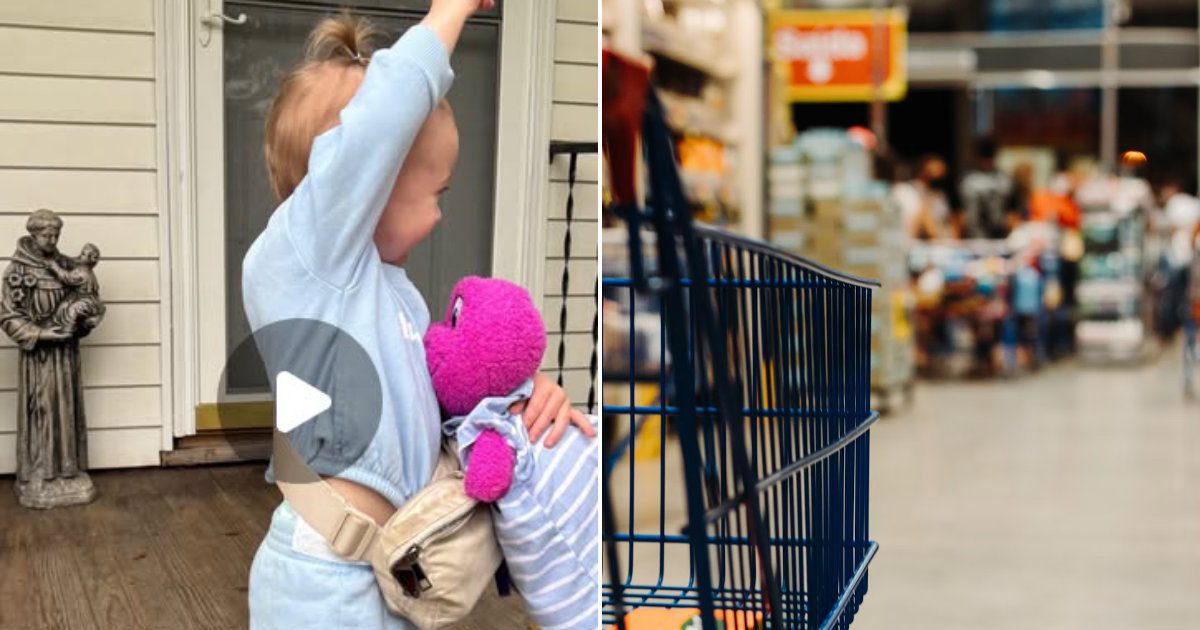
The short clip from @emilymtalks shows a toddler on a wooden porch in a light blue sweatshirt and matching pants, green shoes and a small beige fanny pack, a purple plush tucked under one arm.
View this post on Instagram
What is in the bag?
The mom, behind the camera, helps unzip the pack and asks, “What are you bringing to the grocery store?” The toddler holds still while she looks inside.
Inside is a small toy figure of Jesus. “Oh, did you pack Jesus?” she asks. The toddler agrees with a happy “yeah.” Together they work the zipper back closed, and the mom tells the little one, “That was a good idea.” The toddler repeats it right back: “Good idea.”
Why it is such a sweet moment
Toddlers take their favorite objects everywhere, from stuffed animals to toy trucks to, in this case, a small religious figure that clearly matters to them. For a child that age, packing a bag is a serious decision, and having a parent take it seriously builds confidence.
The mom could have said there was no need to bring it along. Instead she praised the choice and helped zip it up, a small example of the kind of encouragement parenting experts often recommend for young children who are learning to make their own decisions.
Letting little ones pack their own bag
- Give them a small bag or pack of their own to carry.
- Let them choose one or two comfort items for outings.
- Ask open questions like “What did you bring?” and listen to the answer.
- Keep an eye on anything that cannot be lost or broken, and make a gentle plan for it.
Why toddlers love comfort objects
Child development specialists often describe the favorite toy, blanket or figure a toddler carries everywhere as a comfort object. These items can help a young child feel secure in new or busy places, because they bring a bit of familiar into the unfamiliar. It is common, healthy and usually outgrown on its own schedule.
For many toddlers, the choice of what to carry is also one of the few decisions fully in their hands. Being allowed to choose helps them build confidence and a sense of independence at an age when most of the day is decided for them.
Common questions parents ask
Should I let my toddler bring a special item to the store? In most cases, yes, as long as it is safe and you have a plan for keeping track of it. A familiar object can make an outing calmer for everyone.
What if the item is small? For children under three, small objects can be a choking hazard, so check that anything carried in a pack is not something your child will put in their mouth. Keep small parts out of reach during car rides and shopping trips.
What if it gets lost? It is a risk with any beloved item. Gently remind your child to keep it in the bag, check for it before leaving each place, and keep a backup of a truly irreplaceable favorite at home if that is possible.
Making grocery trips easier with a toddler
Errands can be long, loud and overwhelming for small children. A few simple habits can turn the store into a place where toddlers feel included instead of stuck in a cart.
- Go when your child is rested and fed, not close to nap time or hunger.
- Give them a simple job, like finding the bananas or putting an item in the basket.
- Talk through the trip ahead of time so they know what to expect.
- Bring a snack and a small activity for the checkout line.
- Use the cart’s safety strap, and stay within arm’s reach of your child.
Try this at home: encourage independent choices
- Offer two choices instead of an open question, such as “Do you want the blue bag or the green bag?”
- Respond to a choice with interest rather than correction.
- Ask what the item is and why they picked it, then listen to their answer.
- Set one clear safety limit when needed, and explain it in a few simple words.
- Notice and name what they did well, like “You packed all by yourself.”
Small moments of respect add up. When a child hears that their idea was a good one, they learn that their thoughts matter, and that lesson lasts well beyond the grocery store.
Credit for the original post goes to @emilymtalks on Instagram.