Americans have more storage space than ever—but they’re also holding onto more than they need. This list is based on survey data from a 2024 OnePoll study, consumer insights published by The Container Store, and decluttering trend reports from Real Simple, The Spruce, and Apartment Therapy.
These 12 items were selected because they ranked highest in frequency of over-accumulation across U.S. households. With storage units booming and home organization trends on the rise, identifying what most people keep too much of offers a clear starting point for decluttering.
1. Mugs and Drinkware
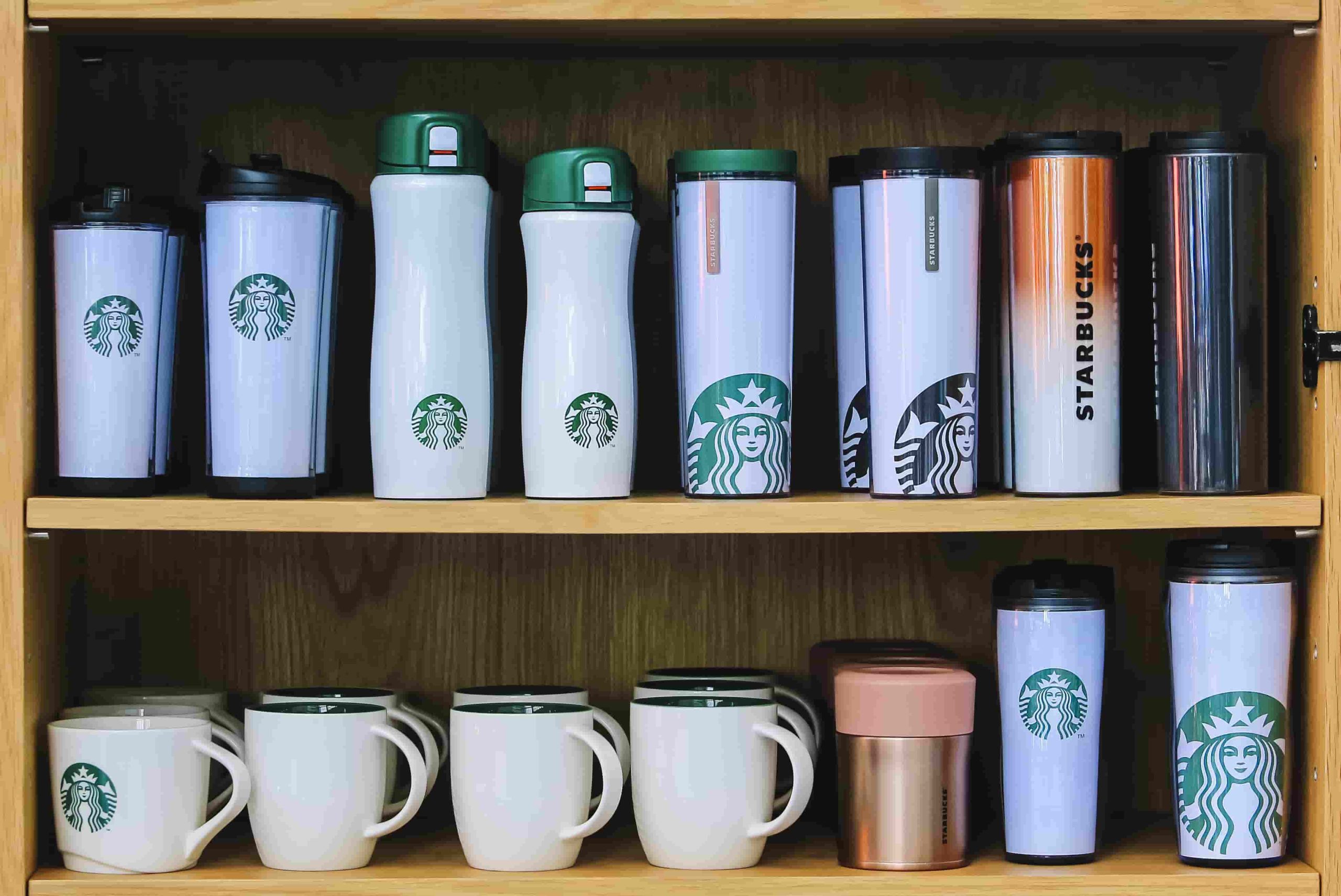
A 2024 OnePoll survey found that the average American owns 12 mugs but only uses 3–4 regularly. Mugs are one of the most frequently gifted or collected items, but they quickly overwhelm limited cabinet space. According to Good Housekeeping, organizers recommend limiting mugs based on actual usage and guest needs, with sentimental pieces stored separately if necessary.
2. Plastic Food Containers
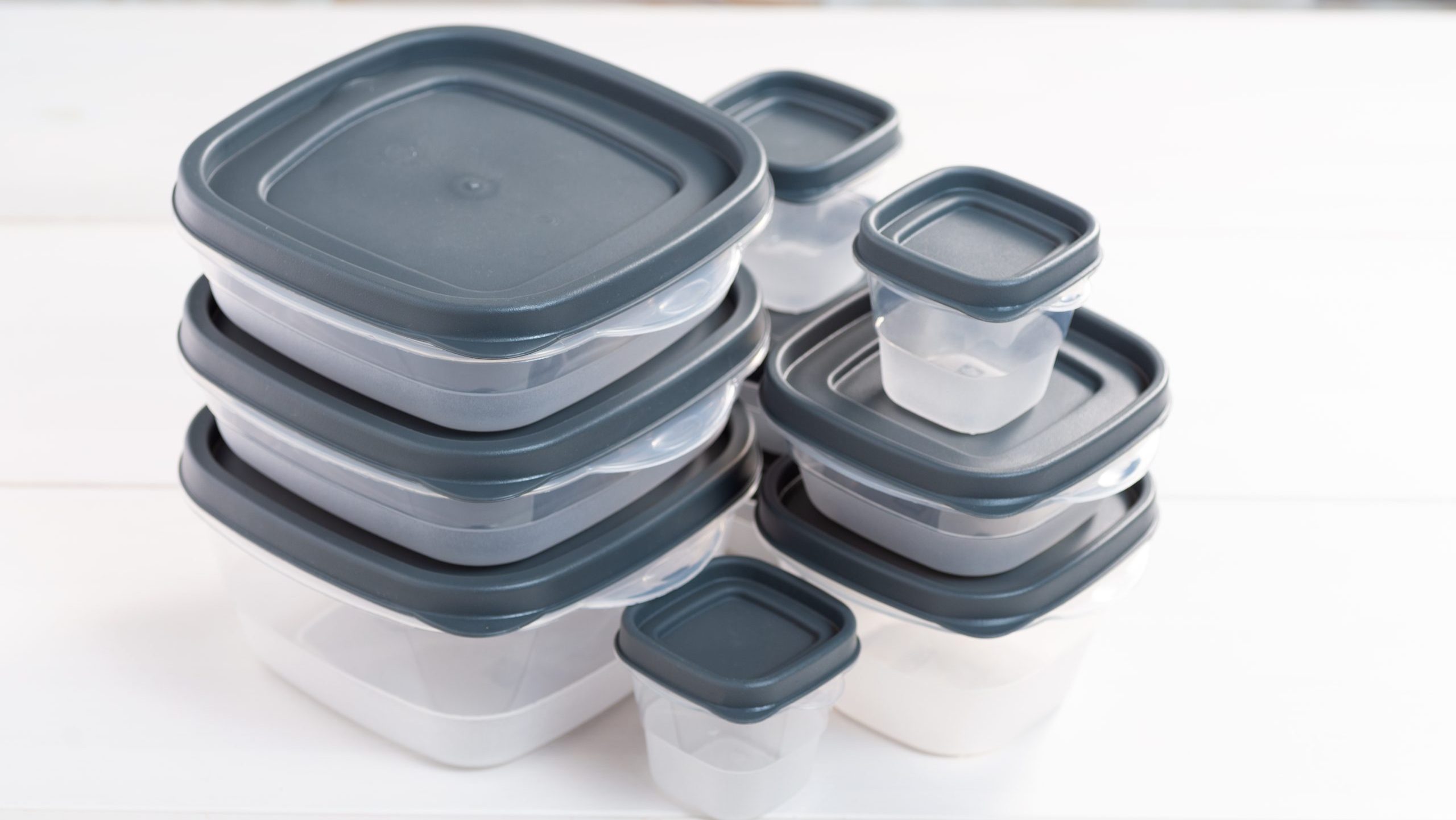
According to a Real Simple survey summary, over 70% of Americans have more food containers than they use. The issue isn’t just volume—it’s mismatched lids, warped plastics, and container overflow. Professional organizers suggest keeping no more than two full sets per household and discarding extras or pieces without pairs. Excess containers often crowd drawers and make daily cooking tasks less efficient.
3. Cords and Cables
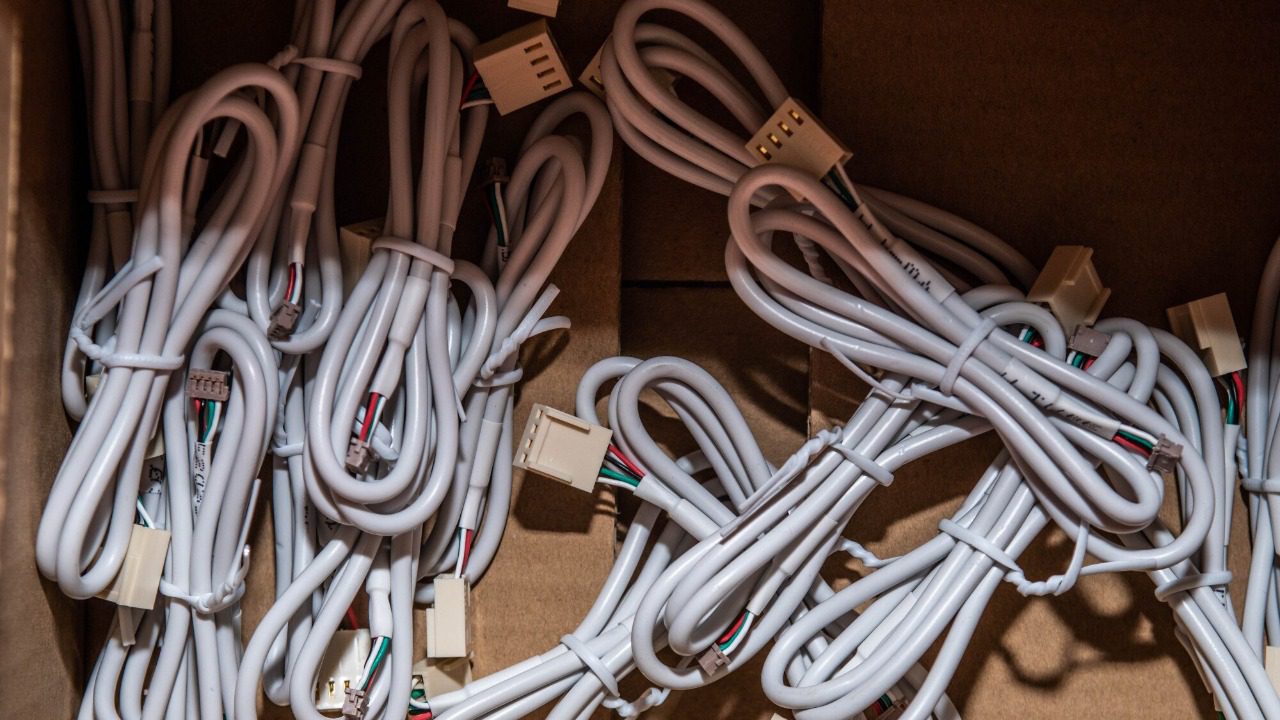
Drawers and bins filled with unidentified cords are common in most households. In a 2024 Apartment Therapy feature, tech clutter was ranked among the most hoarded and least understood. Many people fear discarding something they might one day need. Experts suggest labeling cables when they come into the home and discarding anything unidentifiable or obsolete after six months.
4. Gift Bags and Tissue Paper

While saving gift bags can be economical, most homes store far more than they’ll use in a year. According to a 2024 segment from The Spruce, organizers recommend keeping only what fits in one small bin. Wrapping clutter tends to accumulate in closets or under beds, creating unnecessary mess. Discarding damaged or repetitive designs can quickly reduce this category.
5. Hotel Toiletries and Sample Products

Tiny shampoo bottles, lotion samples, and free makeup testers are among the most commonly overkept items in U.S. bathrooms. An article by The New York Times noted that these often go unused and expire before being touched. Experts suggest keeping only a small travel kit and donating unopened samples to shelters if possible.
6. Extra Bedding and Linens
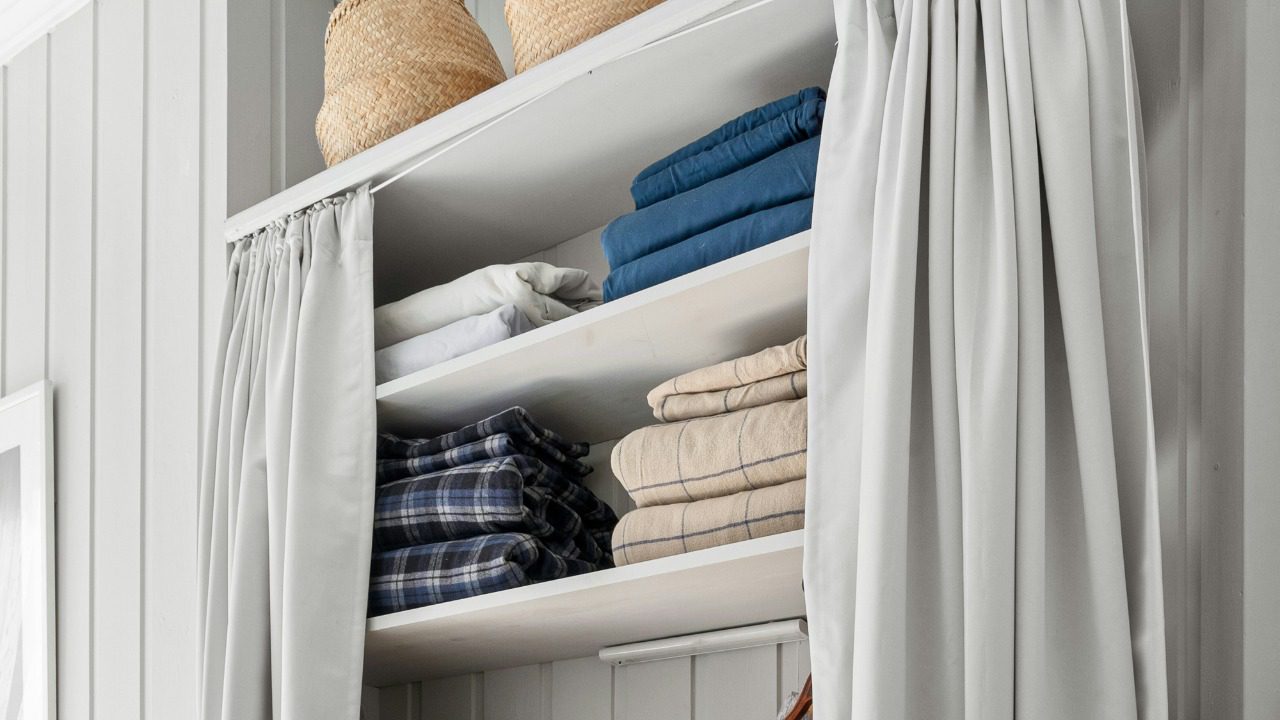
Many households store far more sheets and blankets than they rotate. In a Good Housekeeping linen guide, experts recommend two sets of sheets per bed and one or two extra blankets for guests. Anything beyond that often sits unused in closets. Decluttering this category frees up valuable storage for more frequently accessed items.
7. Holiday Decorations

Seasonal decor, especially for Christmas and Halloween, is one of the largest storage categories in American homes. According to a 2023 survey by The Container Store, holiday decorations make up nearly 30% of household storage contents. Experts suggest purging duplicate ornaments, worn-out lights, or outdated themes to streamline storage bins and reduce attic or garage clutter.
8. Water Bottles and Travel Cups
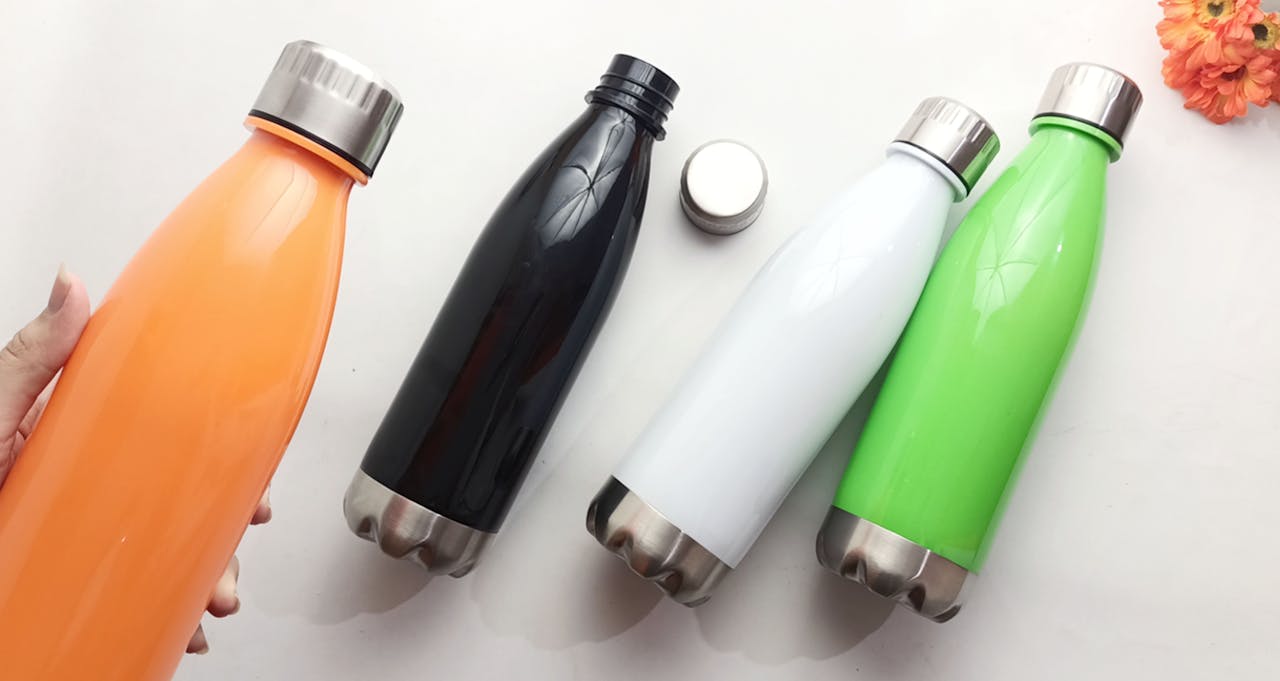
Like mugs, water bottles tend to accumulate from events, promotions, and impulse purchases. In a Real Simple feature, organizers reported clients owning 10–20 bottles but using only two or three. They recommend setting a household cap based on the number of users and storing all bottles upright in one drawer or basket.
9. Tote Bags and Reusable Grocery Bags

Reusable bags are essential—but they easily multiply beyond what’s practical. According to The Spruce, organizers often find entire cabinets filled with cloth totes. The recommended max is 5–10 bags per household, depending on family size. Excess bags can be donated or recycled through participating grocery stores.
10. Paperwork and Manuals

User manuals, expired warranties, and old receipts are rarely reviewed, yet most homes have drawers or file folders full of them. A 2024 NAPO report noted that 80% of what’s filed is never accessed again. Organizers suggest digitizing key documents and discarding manuals that are easily accessible online, which reduces paper pileups dramatically.
11. Kitchen Gadgets

From avocado slicers to banana holders, single-use kitchen tools fill drawers without adding much function. Professional organizers cited in Apartment Therapy say many clients can’t remember what half the tools do. They recommend keeping only tools used weekly and donating or storing infrequent-use items elsewhere.
12. Candles and Home Fragrance Items

Many people collect candles, wax melts, or essential oil diffusers without using them regularly. In a 2024 survey by The Container Store, households reported owning an average of 15 scented products, but burning fewer than five. Organizers suggest rotating seasonal scents and donating extras to reduce visual and aromatic clutter throughout the home.