Designers are furnishing high-end homes with more secondhand pieces than at any point in five years, and the shift is showing up in the numbers. In 1stDibs’ newly released 2026 Designer Trends Survey, 36% of everything sourced for client projects in 2025 was vintage or antique, the highest share the marketplace has recorded since 2021, and designers say they plan to lean even harder into it next year.
The Survey Behind the Shift
1stDibs polled 468 design professionals in its Trade 1st Program between July and August 2025, working with the independent research firm Surveys & Forecasts, LLC. The headline finding: 85% of designers sourced at least one vintage piece, defined as furniture made between the 1920s and 2000s, for a project this year. That is the strongest vintage-usage rate the survey has tracked in five years running.
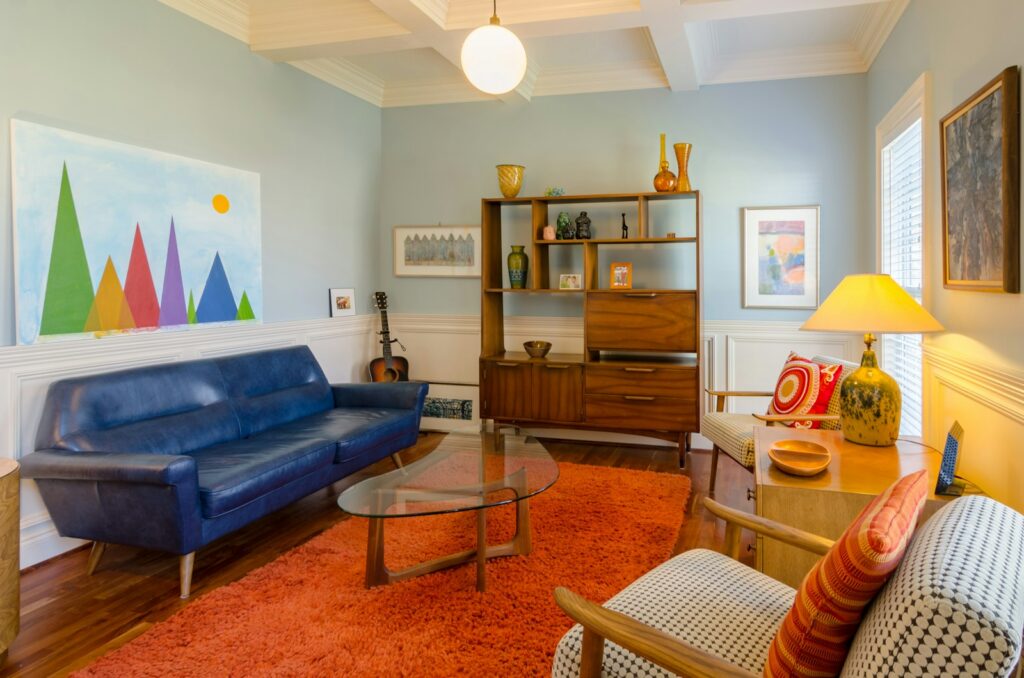
Pre-1920s antiques climbed even faster. Sixty-three percent of designers used true antiques in 2025, up from 56% the year before. Put those two figures together and you get a client base of high-end homeowners who, more often than not, are now choosing furniture with a previous owner over furniture fresh off a factory floor.
Why Old Is Suddenly Outselling New
Part of it is aesthetic fatigue. 1stDibs’ editorial director, Anthony Barzilay Freund, said designers are “looking back to vintage and antique furniture for inspiration and quality craftsmanship,” a pivot the survey ties to a broader cultural interest in pieces that were built to last rather than assembled to ship flat.
Part of it is economics that reach far beyond the design-trade set. The broader secondhand furniture market was already valued at roughly $41 billion in 2025 and is projected to more than double to $84 billion by 2035, growing at a 7.5% annual clip. Analysts covering that market point to the same two forces showing up in the designer data: budget-conscious buyers, especially renters and younger households, who want furniture that doesn’t look mass-produced, and a sustainability calculus where buying something that already exists beats manufacturing something new.
New Furniture Is Getting Squeezed From Two Directions
The survey also points to a second reason vintage is winning: new furniture is getting harder to source affordably. Ninety-two percent of the designers surveyed said tariffs have negatively affected their businesses this year, driving up costs on newly manufactured and imported pieces. A one-of-a-kind chair that already exists in a warehouse or estate sale doesn’t carry that same import exposure, which makes vintage sourcing a hedge against price volatility as much as a style choice.
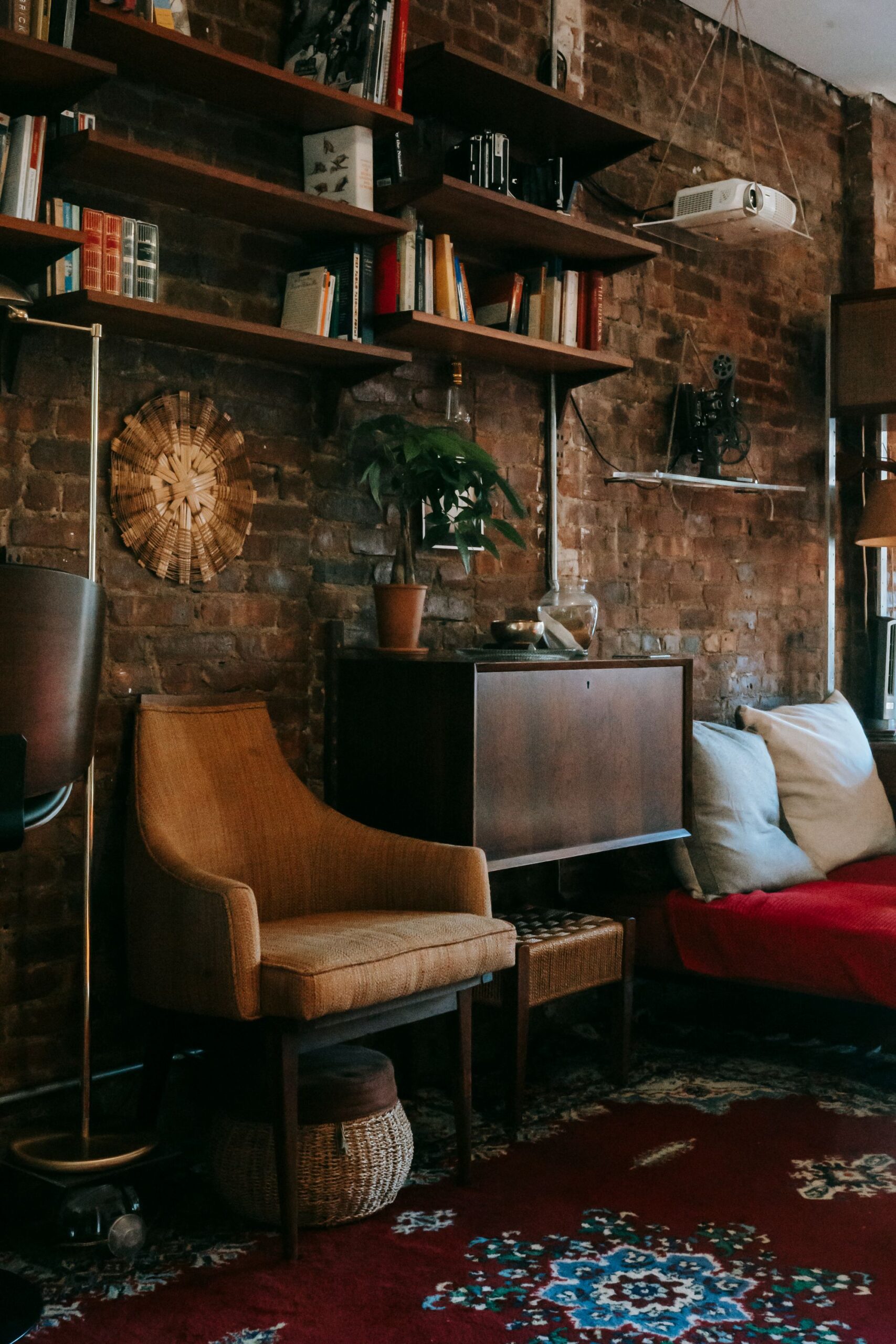
That pressure is showing up alongside a broader style shift. Designers reported gravitating toward maximalism (39%) and eclecticism (38%) for 2026, plus a swing toward richer, moodier colors like chocolate brown, which nearly doubled in popularity since 2022 to 33%, and burgundy, which tripled to 21%. Those are exactly the kind of saturated, characterful tones that pair naturally with an antique credenza or a carved wood frame in a way a flat-pack piece rarely does. Vintage furniture isn’t just filling budget gaps; it’s doing visual work that new, mass-produced pieces are struggling to replicate in this particular design moment.
What This Means If You’re Not Furnishing a Penthouse
You don’t need a design-trade account to benefit from this shift. A few practical takeaways translate directly to a regular living room or bedroom refresh:
- Estate sales and consignment shops are now a design strategy, not a compromise. The pieces professionals are chasing (mid-century case goods, solid-wood dressers, hand-carved side tables) tend to be exactly what shows up at local estate sales for a fraction of retail.
- Mixing one antique with new basics reads as intentional, not mismatched. Designers aren’t gutting entire rooms and replacing them with antiques; they’re layering one or two vintage anchor pieces into otherwise contemporary spaces, which is a far more affordable way to borrow the look.
- Craftsmanship is the actual selling point, not just nostalgia. Older furniture was frequently built with solid wood and joinery methods that current mass-market pricing can’t replicate, which is a big part of why designers describe it as a quality upgrade rather than a stylistic one.
- Timing your buy matters almost as much as where you buy it. Estate sales, moving sales, and end-of-season consignment turnover tend to price pieces lowest when sellers want items gone quickly, so patience on a single statement piece usually beats an impulse purchase at full markup.
None of this requires an antiques-dealer level of expertise, either. Solid construction is easy to spot even for a first-time buyer: dovetail joints instead of staples, drawers that slide on wood rather than plastic tracks, and a weight to the piece that flat-pack furniture simply doesn’t have. Those are the same quality signals professional buyers are chasing at auction, just applied at consignment-shop prices instead of gallery prices.
A Trend With Staying Power
What separates this from a passing color-of-the-year moment is that it’s backed by two different data sets pointing the same direction: what design professionals are actually buying for clients, and what the broader resale market is doing at scale. When both a $41 billion consumer market and 468 working designers converge on the same answer, that’s less a trend forecast and more a description of where the furniture money is already going.