


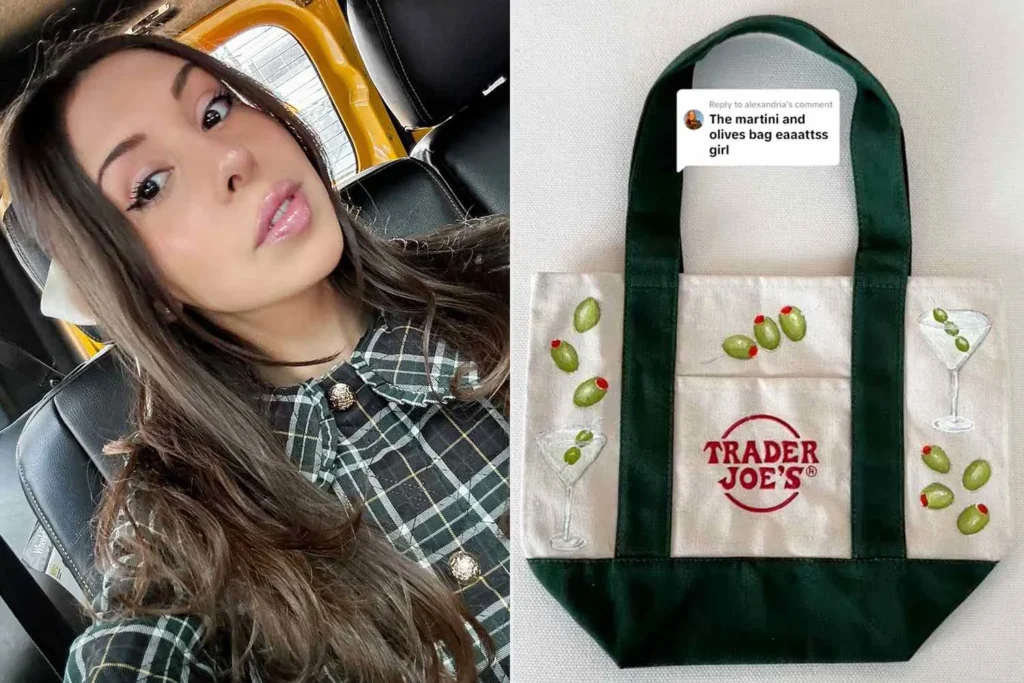
You spot a photo of a Trader Joe’s tote bag with a $3,000 price tag and your first reaction is disbelief. Yes — people are listing the $2.99 canvas tote for thousands overseas, turning a cheap grocery bag into an unexpected status symbol.
They’ll pull apart how that happened, trace the viral moments that pushed the tote beyond U.S. borders, and show why resale culture and geography turned a mundane item into a collectible. Expect quick takes on the online reactions and what this says about trends in small-ticket luxury.

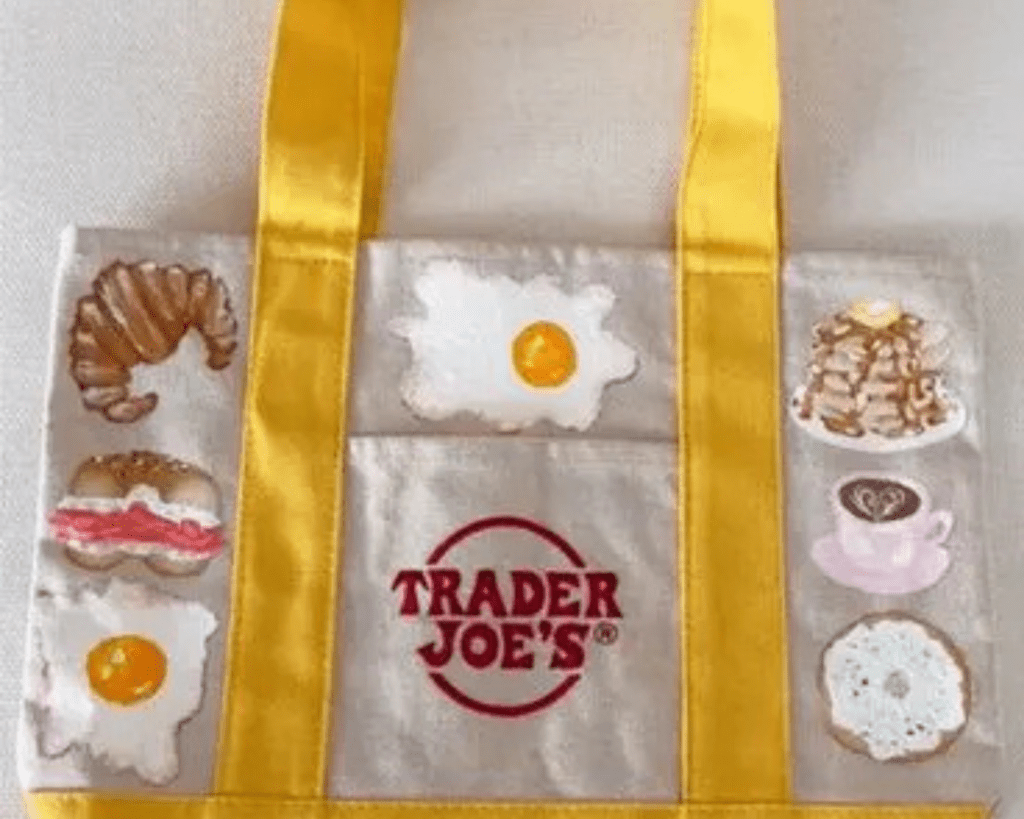
Viral Trader Joe’s Tote Bag Goes Global
A $2.99 canvas tote designed for groceries now appears on wardrobes and resale sites from London to Tokyo. The bag’s low retail price, limited accessibility outside the U.S., and viral social clips have turned it into a sought-after casual accessory and a resale commodity.
How the Tote Bag Became a Status Symbol
The tote started as a practical item sold in Trader Joe’s stores for $2.99. Its simple American-casual look and frequent social-media exposure made it signal that the carrier knows U.S. trends and has access to regional goods.
Influencers and everyday shoppers posted photos and videos showing the canvas logo in transit hubs and fashion streets. That visibility created a perception of authenticity and travel-savvy taste, especially in cities without Trader Joe’s locations where the bag signals a tangible link to U.S. culture.
Resellers amplified scarcity by buying large quantities and listing them on international marketplaces. The result: a cheap grocery tote reinterpreted as a low-key luxury item conveying insider knowledge and travel credibility.
Traveler’s Discovery and Viral Online Reactions
A traveler in Copenhagen filmed an encounter with a woman carrying the tote and asked how much she paid; the clip quickly drew hundreds of thousands of views. Viewers reacted with disbelief, curiosity, and jokes about starting side hustles to ship bags overseas.
Comments ranged from mockery—“$3,000 for a grocery bag?”—to explanations that some buyers willingly pay premium prices to signal exclusivity. Online creators used the video to illustrate how TikTok and resale platforms can inflate ordinary items into viral commodities.
The clip led to follow-ups and wider coverage in outlets documenting how local cultural perception and platform-driven demand turn small items into conversation pieces on multiple continents.
Price Discrepancies: U.S. vs. Overseas
In the U.S., the viral mini-tote retails at $2.99 in Trader Joe’s stores. Outside the U.S., scarcity plus demand on resale platforms pushes listings into hundreds or even thousands of dollars in cities without Trader Joe’s locations.
Factors driving the gap include shipping costs, import barriers, and perceived exclusivity; buyers in London, Seoul, Tokyo, and Melbourne have paid steep premiums to own a visibly American item. Resellers factor in convenience and rarity when setting prices, and some listings have attracted bidding wars that further spike prices.
Trader Joe’s has publicly distanced itself from reselling practices, noting it does not support third-party scalping and tries to limit bulk purchases where possible. Despite that, the market for the tote persists through cross-border resellers and online auctions.
The Story Behind the $3,000 Tag
The $3,000 figure circulated after a TikTok user reported a Copenhagen buyer who said she paid that amount for the tote. The claim spread quickly, with viewers debating whether it reflected a genuine sale, currency confusion, or extreme reseller markup.
Investigations into high-priced listings show some bags have appeared with four- or five-figure asking prices on resale sites. However, asking price does not equal confirmed sale price. Some viral reports conflate listing prices, buyer anecdotes, and currency misunderstandings, which inflates perceptions of typical resale values.
Still, documented cases of resellers making substantial margins exist, and a few international buyers have posted receipts or screenshots that suggest some individuals did pay unusually high sums for the novelty and status the tote confers.
Impact and Cultural Reactions
The sudden appearance of a Trader Joe’s tote listed for $3,000 overseas highlights how scarcity, resale demand, and viral attention collide to create unexpected cultural moments. Reactions range from sharp resale speculation to memes that mock and magnify the trend, while the grocer’s low-key brand identity absorbs both praise and confusion.
Resale Market Trends for Grocery Store Merch
Resellers treat limited-run grocery merch like collectible drops. Retail-priced totes that cost under $5 in the U.S. have been relisted for thousands on international marketplaces, driven mainly by shoppers in cities without Trader Joe’s locations. That geographic scarcity — owning a bag signals U.S. travel or connections — materially lifts willingness to pay.
Flippers use rapid-posting tactics: buy, list within hours, and rely on social proof from high-view listings. Some listings reach eye-popping prices but rarely complete; bidding often inflates perceived value. Platforms and fans create a secondary market where condition, provenance (receipt or photo from a U.S. store), and shipping logistics determine final price more than the item itself.
Social Media Memes and Public Disbelief
Social platforms turned the $3,000 listing into a viral punchline within hours. Creators posted reaction videos, comparison memes juxtaposing the tote with luxury handbags, and tutorials on spotting fake listings. Humor drove visibility, but commentary also included skepticism when listings displayed implausible shipping claims or inconsistent photos.
Public disbelief split into two camps: those mocking the resale frenzy and those celebrating the tactile “little treat” culture it represents. Memes amplified the story beyond resellers — mainstream accounts, travel influencers, and international fashion pages picked it up, increasing demand and prompting more reposts and screenshot-driven resale escalation.
What This Means for Trader Joe’s Brand Image
Trader Joe’s benefits from organic cultural cachet without running marketing campaigns. The tote phenomenon reinforces the chain’s quirky, value-driven identity and signals desirability in markets where it doesn’t operate. That unintentional halo can increase brand mystique and free publicity.
At the same time, the resale spectacle risks framing the brand as an object of hype rather than a grocery preservative. Some customers express discomfort that a cheap tote has been commodified into status. Trader Joe’s typically avoids direct engagement with trends; silence maintains authenticity but leaves the narrative shaped by resellers and social media.
More from Decluttering Mom: