A family trip from Iowa to Kenya was supposed to be a homecoming, a chance for a U.S. mom to reconnect her three children with the country where she grew up. Instead, it ended in a crash on a busy highway that took all three of their lives and left relatives on two continents reeling. The story of how a holiday turned into heartbreak has sparked an outpouring of grief, fundraising, and hard questions about road safety.
Friends describe the children as bright, funny, and deeply rooted in both Kenyan and American cultures, kids who moved easily between Waterloo and Nairobi. Their mother, a Kenyan immigrant who built a life in the United States, is now navigating the kind of loss most people cannot even imagine, while strangers who never met her children try to help shoulder the weight.
The crash that changed everything
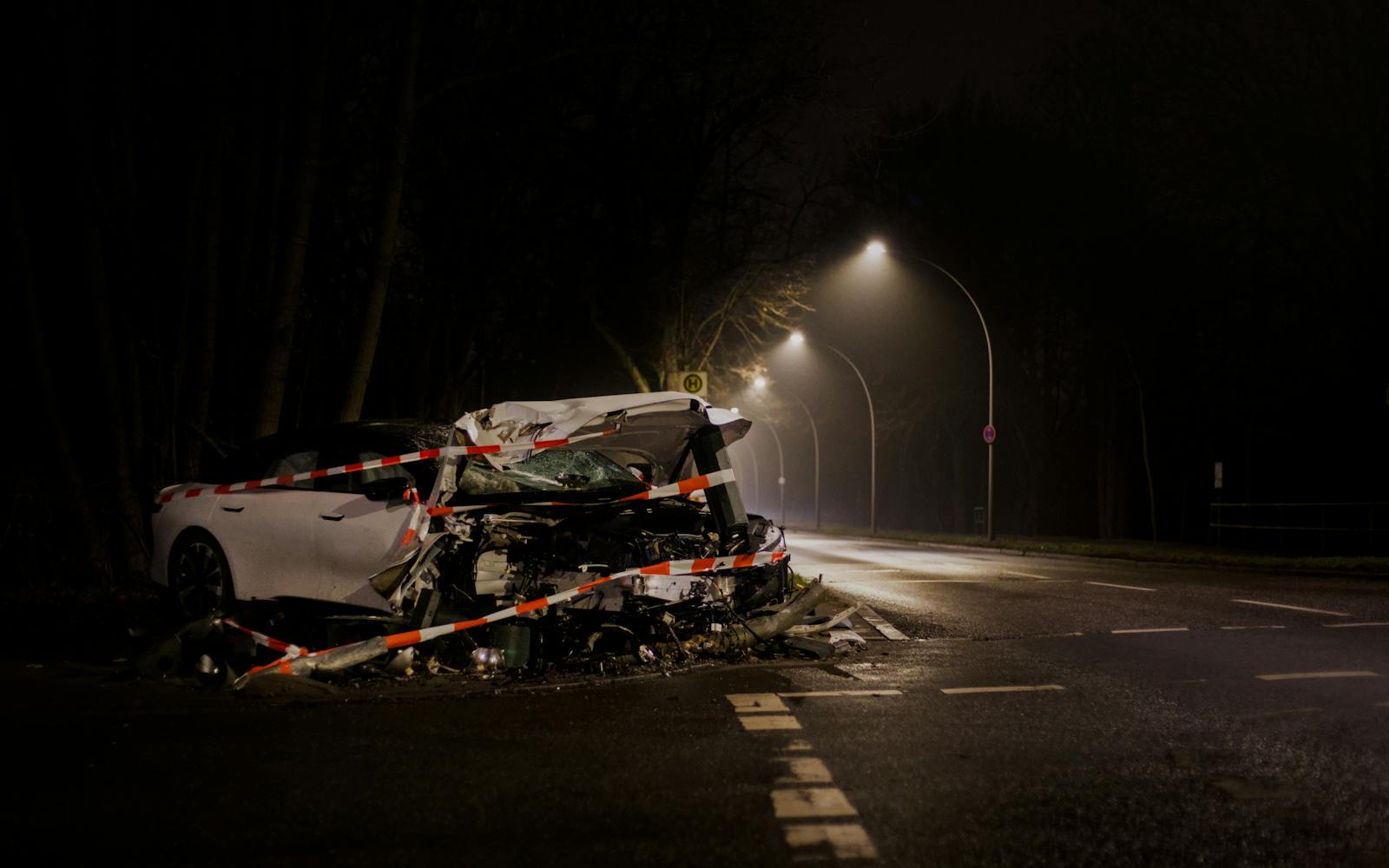
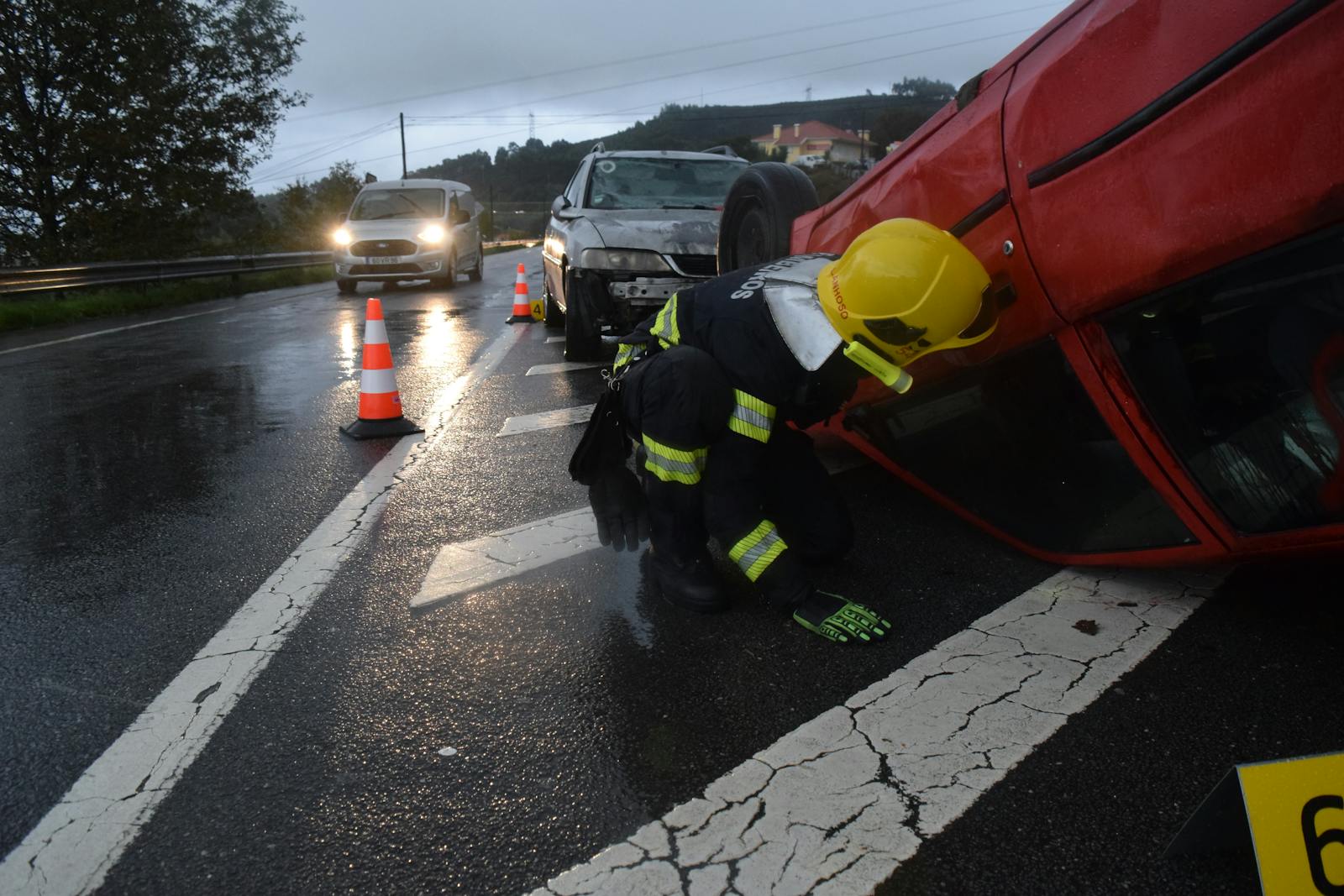
The family’s nightmare began earlier this year along the busy Nairobi to Nakuru route, where traffic from the capital funnels toward the Rift Valley. The group had hired a public service van and were heading toward Nakuru when the vehicle was involved in a violent collision in the diatomite area of Gilgil. Relatives say the children had been excited about the road trip, a classic Kenyan journey that winds past wildlife conservancies and small towns toward the lakeside region.
Reporting from Kenya describes the fatal crash as happening in Soysambu, a stretch of road in Gilgil along the Nairobi to Nakuru Highway that locals know as both scenic and unforgiving. The same incident is also described as occurring along the Naivasha highway, a reminder of how that corridor threads together multiple towns and accident blackspots.
A Kenyan American family caught between two worlds
At the center of the tragedy is Wangui Ndirangu, a Kenyan mom who has been raising her children in Waterloo, Iowa, in the United States. Friends describe her as deeply Kenyan in her values and community ties, even as she built a life in the American Midwest. In Waterloo, she is known as a hardworking parent who juggled jobs, school runs, and church activities while keeping her kids connected to their roots.
Social media tributes identify her as Wangui Ndirangu, a Kenyan mum based in Waterloo, Iowa, in the United States, now grieving the loss of her three children. Posts from friends and diaspora groups in Waterloo describe a tight knit family that straddled two homes, with summers in Kenya and school years in Iowa, and a mother who wanted her kids to feel fully at ease in both.
Who the children were
The three siblings killed in the crash were teenagers and a young child, each with a distinct personality that relatives now cling to in memory. At the funeral service in Nairobi, the caskets carrying the bodies of Njeri, aged 16, Emmanuel, aged 13, and Kairo, aged 6, rested before the altar in sequence, each adorned with bright flowers. Mourners spoke of a big sister who looked out for her brothers, a middle child who loved to joke, and a youngest who charmed everyone around him.
Reports from Kenya identify the youngest boy as Emmanuel DeLeon in some accounts, while others spell his brother’s name as Kairo or Kairu, a small but telling sign of how quickly news of the crash spread across different communities. What is consistent is the picture of three American children, rooted in Kenya through their mother, whose lives were cut short on a road they were traveling for adventure, not danger.
What happened in the frantic hours after
In the immediate aftermath of the crash, two of the siblings died at the scene while the third was rushed to hospital in critical condition. Accounts from Kenya state that Emmanuel and Kairu died where the van came to rest, while their sister Njeri was evacuated to a facility in Nairobi. For relatives who were not on the trip, the first calls were confusing, mixing news of the crash with desperate hope that at least one child might pull through.
Doctors in Nairobi fought to save Njeri, who had suffered severe injuries. Diaspora groups in Iowa and Kenyan networks in the capital began organizing prayer chains and support almost immediately, clinging to updates from the intensive care unit. Despite those efforts, Njeri later succumbed to her injuries, turning a double tragedy into the loss of all three siblings.
A mother’s words from the depths of grief
As the shock settled into a grim new reality, the children’s mother began to speak publicly about what had happened, not as a media exercise but as a way of honoring her kids. In one widely shared reflection, she said that if she had known she would lose them in a single day, she would have changed many things about how that trip unfolded. Her comments, carried in Kenyan reporting, capture the rawness of a parent replaying every decision that led to the journey through Gilgil.
Photos shared from before the crash show smiling faces, road trip snapshots, and the kind of casual joy that now feels almost unbearable for those left behind. The same coverage notes how, going by those images, it is hard to reconcile the warmth of that day with what followed in Nakuru County, where the chill of death replaced the excitement of travel. Her words have resonated with parents everywhere who see their own family trips in that final drive.
Funeral rites in Nairobi, heartbreak in Iowa
Back in Kenya, the farewell for the three siblings blended Christian ritual with the particular rhythms of Nairobi’s grieving culture. At a church service in the city, the caskets of Njeri, Emmanuel, and were placed before the altar as relatives, schoolmates, and Kenyan diaspora members filed past. Speakers urged mourners to remember that the children lived, not only that they died, and to hold on to the laughter and milestones that came before the crash.
Plans for the siblings’ remains included cremation at the Kariokor Hindu Crem facility, a choice that reflects both practical realities and the family’s wishes. In Iowa, meanwhile, friends gathered in churches and community halls in WATERLOO to mourn children who had been part of local schools and sports teams, even as their final rites took place thousands of miles away.
How Waterloo and the Kenyan diaspora rallied
News of the crash hit Waterloo hard, especially after word spread that a third child had died following the initial reports. Local coverage in Iowa noted that a third child of a Waterloo family passed away after the deadly crash during the trip to Kenya, turning what was already a community tragedy into something almost impossible to process. Schools, churches, and neighbors began organizing support, from meal trains to memorial services.
Kenyan diaspora networks also moved quickly, sharing the family’s story across WhatsApp groups and Instagram pages that connect people from Kenya to Waterloo, Iowa. One widely shared post described a US based Kenyan family grieving the tragic loss of three children and urged followers to keep the mother in their prayers. Another highlighted how the family had been on vacation in Naivasha, a popular getaway spot, when the accident along the highway shattered their plans.
Fundraising, practical help, and the cost of tragedy
Alongside the emotional support, friends and strangers recognized that the family faced steep financial costs tied to medical care, funerals, and travel between continents. A fundraising account was set up to help cover those bills, and within days it had raised $66,392 of its $70,000 goal. Contributors included Kenyans in the United States, friends in Nairobi, and people who had simply seen the story online and wanted to help.
Coverage of the appeal noted that the account was created to handle medical, funeral, and travel costs for the U.S based Kenyan family. The same reporting described how the crash, which happened while they were on vacation in Naivasha, left relatives scrambling to coordinate care in both countries. For many donors, giving a few dollars felt like one concrete way to stand alongside a mother whose loss defied easy comfort.
Road safety questions that refuse to go away
As the mourning continues, the crash has also revived long running concerns about safety along the Nairobi to Nakuru corridor. The stretch around Soysambu in Gilgil, where the family’s van was traveling, is part of a highway that carries heavy trucks, buses, and smaller public service vehicles all jostling for space. Locals talk about risky overtaking, tired drivers, and stretches of road that narrow without much warning, a mix that has produced more than one headline making crash.
Reports describing the incident as a Naivasha accident while on vacation highlight how popular that route is for both tourists and Kenyans visiting family in the Rift Valley. The fact that a Naivasha getaway ended in three child fatalities has sharpened calls for stricter enforcement of traffic rules and better oversight of public service vans. For families planning similar trips, the story has become a sobering reminder that the most ordinary journeys can carry hidden risks.
Grief that stretches across borders
In the weeks since the crash, the family’s story has continued to circulate online, often under the tag Soulmates, a nod to the tight bond between the siblings and their mother. Posts from friends in Kenya and Waterloo talk about a mother from Kenya living in Waterloo, Iowa, facing unimaginable grief after losing her three children in a tragic crash. The language is simple, but the message is clear: this is a loss that belongs to more than one neighborhood or one country.
For many in the Kenyan diaspora, the story hits a particularly raw nerve because it combines two familiar themes, the joy of going home and the fear of something going wrong far from the systems they know in the United States. Messages from Kenyan groups in Waterloo and beyond speak of shared responsibility to stand with Wangui Ndirangu for the long haul, long after the fundraising targets are met and the headlines move on. In that sense, the legacy of Njeri, Emmanuel, and Kairo is already visible in the quiet, determined solidarity they have inspired.
More from Decluttering Mom: