You climb into a rideshare expecting a quick, ordinary trip — and everything shifts when the driver notices a passenger is male. That moment sparked a tense standoff, questions about who feels safe when, and a wider debate over bias in rideshare interactions. You’ll learn why the driver’s reaction matters for safety policies and how similar incidents feed a larger conversation about trust and profiling in app-based transport.
The next sections unpack how a routine Uber ride escalated into confrontation, examine what patterns and reporting options mean for both passengers and drivers, and explore the broader implications for safety standards and bias debates.

Unpacking the Incident: How a Routine Uber Ride Escalated
The driver’s behavior changed after noticing the passenger was male, leading to a tense exchange, locked doors, and a ride that deviated from the expected route. The passenger reported feeling unsafe, questioned the driver’s motives, and later described how gendered expectations shaped both actions and perceptions.
Driver’s Reaction and Immediate Actions
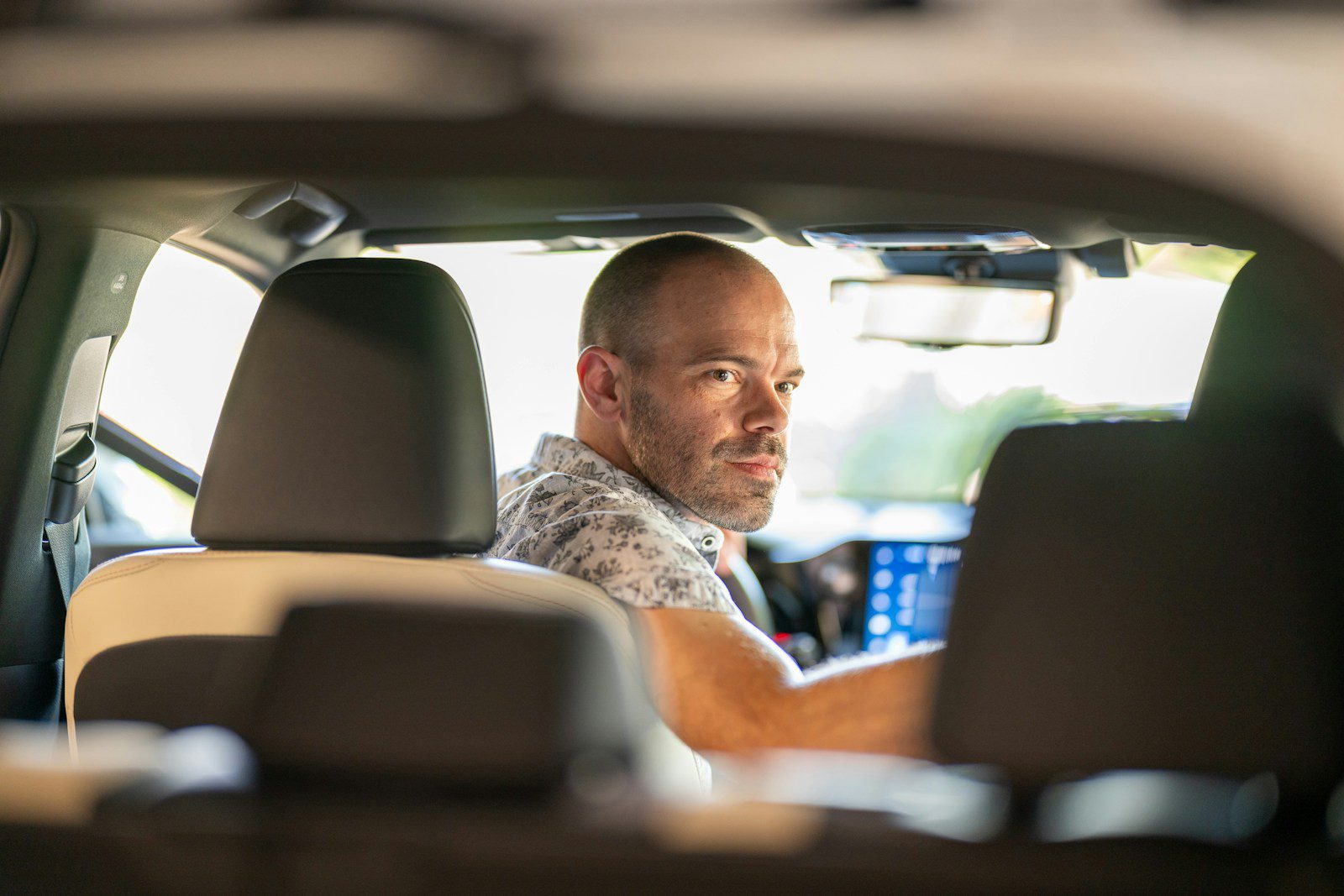
The driver stiffened visibly and asked why the passenger hadn’t said he was a man when booking. He then raised his voice, demanded an explanation, and insisted on an extra fare or tip before continuing. At one point the driver locked the doors briefly and slowed the car, which the passenger interpreted as intimidation.
Other immediate actions included rerouting to a different pickup point and refusing to drop the passenger at the requested address until the dispute was resolved. Those moves—locking doors, changing route, and verbal pressure—are the specific behaviors that made the situation escalate from routine to threatening.
Passenger Experience and Feelings of Being Unsafe
The passenger said he felt unsafe the moment the driver’s tone shifted and the doors locked. He described a tightening chest and an urgent need to document the ride, so he opened the in-app safety toolkit and shared his trip with a friend.
He later reported that the driver’s demand for extra money and the detour made him fear being stranded or extorted. Those concrete actions—requests for payment that felt coerced, route changes, and locked doors—are what led him to feel threatened rather than merely uncomfortable.
Role of Gender Expectations During the Ride
Gender expectations shaped both parties’ reactions. The driver expressed surprise and anger that the passenger identified as male, implying an assumption that men booking certain options would behave differently. That expectation seemed to trigger the driver’s confrontational posture.
The passenger’s perception of risk also tied to gender norms; he felt vulnerable because the driver treated him as if he had misrepresented himself. Both reactions illustrate how assumptions about gender can escalate a routine interaction into a confrontational scenario and cause someone to feel unsafe.
What This Means: Safety, Bias, and Ongoing Debate
The incident highlights three practical tensions: how rideshare platforms protect riders and drivers, how driver reactions can reflect bias, and how app features and company protocols either help or fall short in real time.
Public Safety Concerns in Rideshare Services
Rideshare trips carry measurable safety risks like harassment and assault, which have driven regulators and companies to add protections. Cities such as New York and Chicago require stricter background checks and driver training; these measures aim to reduce repeat offenders and raise accountability.
Passengers and drivers report gaps: background checks can miss recent offenses, and deactivation processes sometimes lag behind incidents. Real-time risks also matter — a driver feeling unsafe after a pickup can escalate a ride if there’s no rapid, supported way to resolve it.
Practical fixes focus on prevention and response. Mandated training, faster incident review, and local awareness campaigns have shown effects in some jurisdictions. Riders should verify driver details on the app and use in-trip features to share trip status with trusted contacts.
Debate Over Bias and Male Passengers
Drivers declining or reacting negatively when they discover a passenger is male raises questions about bias versus safety-driven caution. Some drivers cite safety concerns based on prior experiences; others admit discomfort without specific cause. That distinction matters legally and ethically because refusals rooted in generalized bias can harm access and employment fairness.
Passengers who are male report feeling stigmatized or singled out when drivers change behavior mid-trip. Courts and advocacy groups are examining whether platforms enable discrimination through opaque rating and deactivation systems. Clearer rules and company guidance could help drivers distinguish legitimate safety precautions from actions that unfairly target an entire gender.
Safety Features, Protocols, and App Support
Rideshare apps offer built‑in tools: share-trip location, emergency buttons, and two-way ratings. These features improve transparency and can speed emergency responses when used correctly. Companies have also published safety reports and invested in background checks, though critics argue reporting should be more frequent and detailed. (See Uber’s safety claims for corporate context: https://www.uber.com/newsroom/ubers-safety-record/.)
Operational gaps persist. Drivers sometimes lack immediate support after an incident, and riders report delays when they try to log in to report issues or access help in the app. Improvements include a dedicated incident hotline, faster in-app reporting workflows, and driver refresher training on de-escalation.
Both sides benefit when platforms require clearer in-app prompts before a driver cancels and when they log actions with timestamps for incident review.
More from Decluttering Mom: