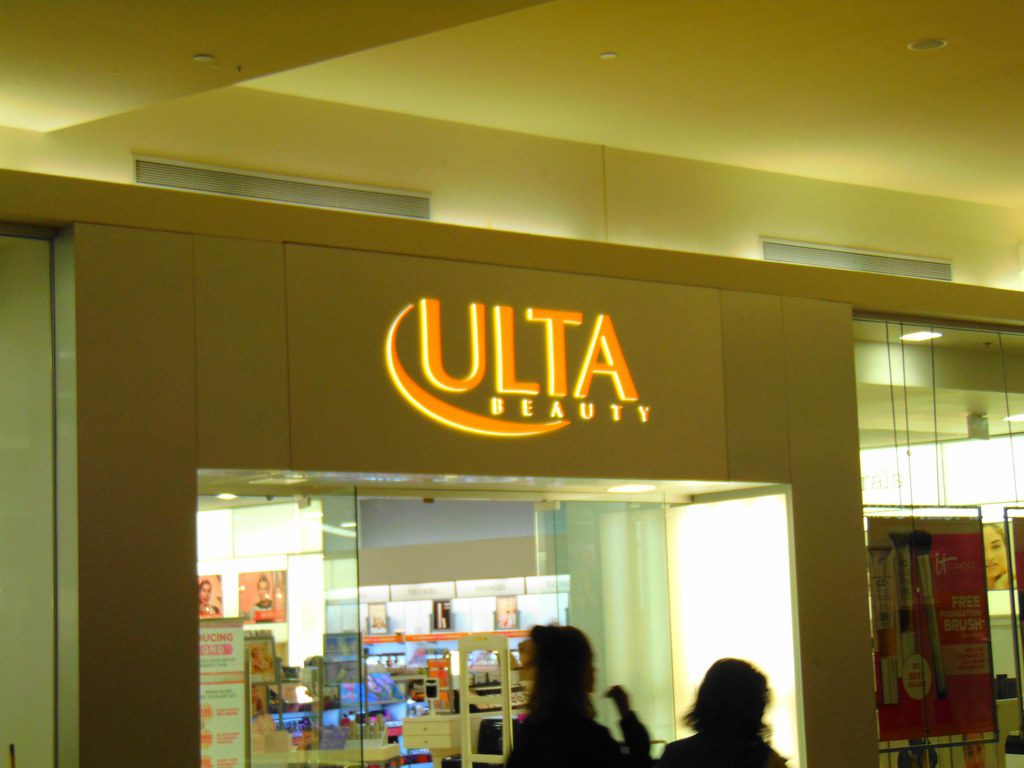
You step into a bright Ulta aisle following advice from an AI and watch someone use testers like personal cosmetics. Social feeds erupted after a video showed a creator applying creams, powders, and lip products directly from display testers, prompting immediate criticism about hygiene and cross-contamination.
If you want a quick answer: using store testers on bare skin or with unclean tools can spread bacteria and increase infection risk, so avoid direct contact and use disposable applicators or request sanitized samples. The next sections unpack how the AI-driven routine ignited the backlash and explain practical, safer ways to try products in-store without putting yourself or others at risk.

Ulta Shopper’s AI-Driven Makeup Routine Sparks Hygiene Backlash
A customer followed an AI-generated step-by-step makeup routine and used multiple in-store testers in ways that many viewers called unsanitary. The incident focused attention on how generative tools can influence real-world behavior and on hygiene protocols for shared cosmetics.
Details of the Shopper’s AI-Generated Beauty Regimen
The shopper used a ChatGPT-style prompt to generate a complete routine and then executed it inside an Ulta store. They applied foundation, concealer, multiple cream products, and a lip color using store testers directly on their face and lips rather than using disposable applicators or swatches on paper. Video clips show the tester palettes and tubes being pressed, swiped, and dabbed across skin multiple times.
That behavior conflicts with typical in-store guidance to use single-use spatulas, disposable wands, or sanitized testers. Ulta carries testers meant for color-matching and texture checks, not for repeated direct application. The incident raised questions about how clearly stores communicate acceptable tester use and whether AI outputs should include hygiene reminders for public environments.
Public Reaction and Criticism of In-Store Tester Use
Social media viewers widely criticized the shopper for potential contamination risks, especially with lip and cream products that contact mucous membranes. Comments emphasized concerns about bloodborne pathogens, cold sores, and bacterial transfer from direct application. Many called the behavior “unsanitary,” while others debated whether public shaming on social platforms was appropriate.
Some commenters also targeted AI for not flagging safety practices in its routine. Others defended the shopper as following a tool’s instructions without malicious intent, urging clearer retailer signage and better user prompts from AI systems. The conversation mixed calls for personal responsibility with demands for institutional safeguards.
Responses from Ulta Employees and Beauty Experts
In-store employees quoted in local coverage said staff try to monitor tester use but can’t constantly supervise every guest, especially during busy hours. Employees reiterated existing policies recommending disposable applicators and frequent tester sanitization, and noted that management sometimes restricts access to certain testers when misuse occurs.
Beauty professionals urged clearer consumer education on tester etiquette and recommended brands provide single-use samples or sealed hygienic dispensers for products intended for skin contact. Experts also suggested AI services include safety checks—simple warnings to use disposables or consult staff—when generating in-store routines that involve shared products. Some suggested retailers accelerate options like sanitized sample stations or digital try-on tools to reduce physical tester reliance.
Risks and Safe Practices for Using In-Store Makeup Testers
In-store testers can expose users to bacteria, fungi, and cross-contamination if used incorrectly. Shoppers should know which products and behaviors carry the highest risk and what replacements or store services reduce that risk.
Health Dangers Linked to Unsanitary Tester Usage
Makeup testers shared by many customers can harbor Staphylococcus, E. coli, yeast, and mold, which may cause skin infections, folliculitis, or fungal outbreaks when applied to broken or sensitive skin. Eye products are especially risky; contaminated mascaras or cream shadows can lead to conjunctivitis or more persistent eyelid infections.
Lip testers pose a transmission risk for cold sores (HSV-1) and bacterial transfer. Creams and tins that are dipped into directly become reservoirs for microbes. Brushes or fingers used across multiple products increase cross-contamination and can transfer oil, dead skin, and microbes between products and users.
Shoppers with acne, rosacea, eczema, or compromised immune systems face higher odds of adverse reactions. Pregnant people or those with recent dermatologic procedures should avoid shared testers entirely to reduce infection risk.
Proper Sanitation and Testing Guidelines in Beauty Stores
Stores often supply disposable applicators, alcohol sprays, and single-use sponges; using these dramatically lowers contamination. Always ask a store associate for a fresh disposable applicator or a sealed sample rather than dipping fingers into jars.
When testers are open: spray powders and palettes with 70% isopropyl alcohol, let them dry, then test on the back of the hand or a sanitized spatula. Never use a communal brush on the face without a clean disposable cover. Wipe lipstick tops and pencil tips on an alcohol-sprayed tissue before and after testing.
If a tester looks dirty, sticky, or has been double-dipped, decline it and request assistance. Remember that some retailers rotated out testers during the COVID-19 pandemic; inquire whether the store currently stocks single-use applicators or staff-served samples. For eye or lip products, ask for a new sample or a store-provided tester wand.
Alternatives to Try-Before-You-Buy: Tech and Sampling Solutions
Virtual try-on tools let customers preview foundation, eyeshadow, and lip shades using AR cameras, reducing the need for physical contact. Many retailers offer these features on their apps or in-store tablets; they provide shade-matching and can simulate finishes under different lighting.
Ask for sealed sample vials or travel-size products if available. Beauty consultants can apply products with single-use applicators or test on sanitized paper or spatulas for a hygiene-first demo. Some brands provide mailed samples or sample-with-purchase programs that let shoppers test at home.
When testing is necessary in-person, carry antiseptic wipes and single-use applicators for personal use, and request staff assistance for sanitary application. These steps lower infection risk while still allowing hands-on evaluation of texture and shade.
More from Decluttering Mom: