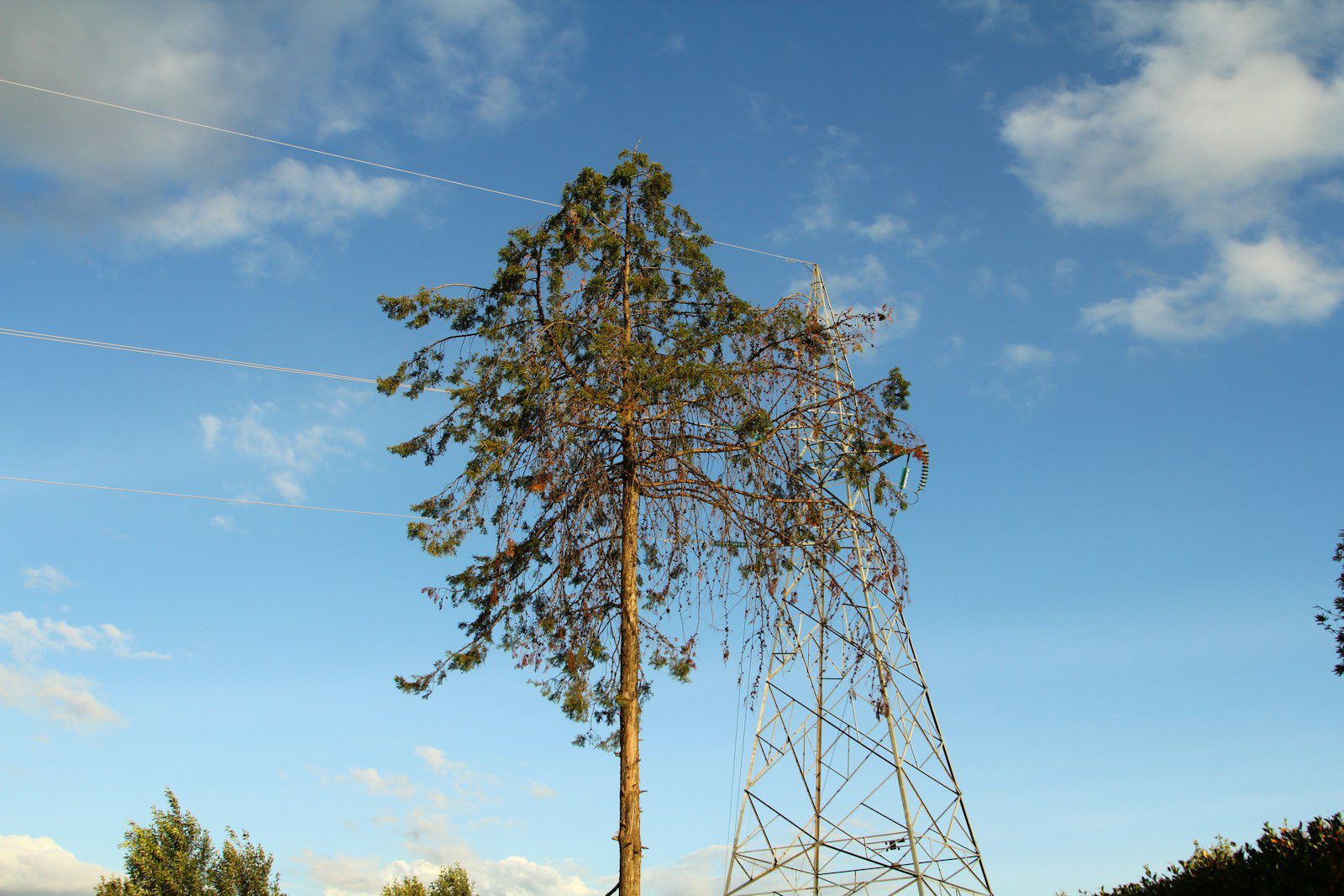
You might not think a single pruning choice could start a neighborhood fire, but when branches touch or sag toward live wires the risk becomes real. Keep large trees a safe distance from overhead lines and never attempt risky trimming yourself—improper cuts or allowing limbs to grow into wires can spark fires, outages, and deadly shocks.
They will learn what specific tree mistakes most often cause power line fires, why those failures happen during storms and ice, and who is responsible for safe clearance. The article shows clear, practical steps to prevent danger and when to call professionals so the next yard project doesn’t put anyone at risk.
How Tree Mistakes Lead to Power Line Fires
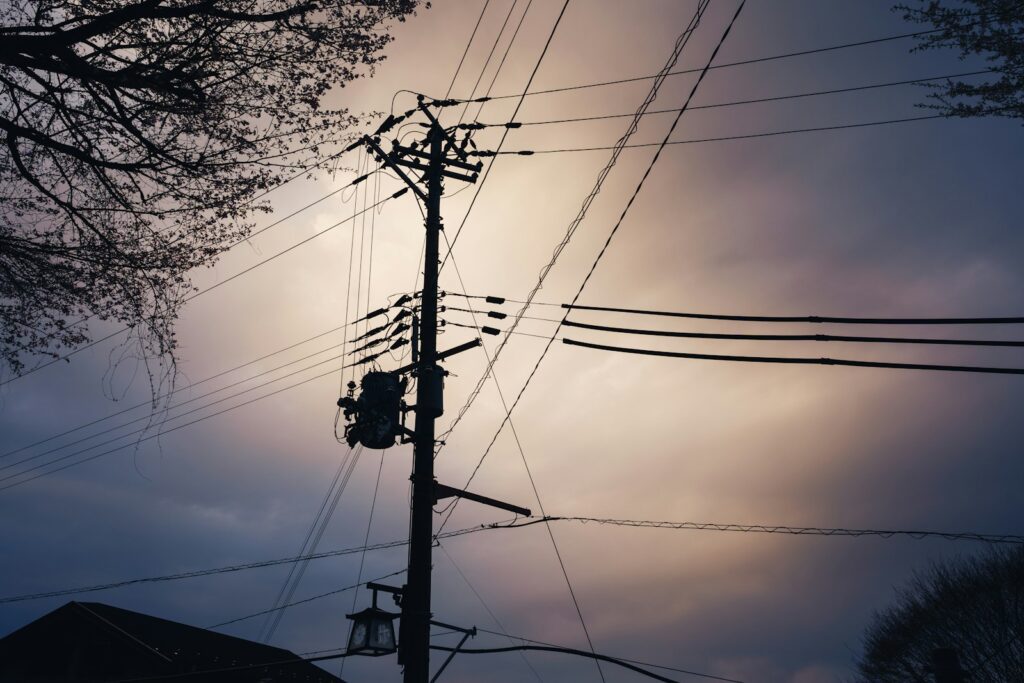
Trees touching or growing too near energized wires can create direct paths for electricity, ignite vegetation, and trigger cascading failures that utilities try to prevent with inspections and public safety power shutoffs. Small branches, wet foliage, or a single falling tree limb can start a fire or force an outage affecting thousands.
What Happens When Trees Grow Too Close to Power Lines
When branches encroach on overhead conductors, they can make physical contact or reduce the air gap needed to prevent arcing. Moist leaves and vine-covered limbs become conductive in rain or fog, allowing current to travel from the line into the tree and to the ground. That energized path can heat bark, spray burning embers, or ignite dry leaves and nearby brush.
Utility companies perform right-of-way trimming and mark minimum clearance distances, but private-property trees often grow faster than scheduled maintenance. Homeowners who ignore overhangs and dead limbs increase the risk of line contact during storms, ice events, or high winds. Trees with internal rot or split trunks are especially likely to collapse onto lines.
Conductor Slap and Arcing: Understanding the Risks
Conductor slap occurs when wind makes lines swing and collide; the sudden motion can break insulation or make transient contact with a branch. That impact can create high-voltage transients and sparks. Arcing happens when electricity jumps an unintended gap — for example from a line to a wet branch or between two conductors bridged by foliage.
Arcing can produce temperatures hot enough to char wood and ignite nearby fuel. It can also damage poles, crossarms, and insulators, increasing the chance of a prolonged fault and secondary fires. Utilities monitor for conductor damage and replace worn hardware, but rapid arcing events during storms often precede any maintenance response.
Consequences: Wildfires, Power Outages, and Power Shutoffs
A single ignited tree can start a fast-moving wildfire under dry, windy conditions. Those fires threaten homes and infrastructure and trigger expensive emergency response efforts. Utilities may lose transmission capability if multiple lines fail, causing widespread power outages that last hours to days.
To reduce risk, utilities sometimes implement public safety power shutoffs (PSPS). During high-fire-risk weather, they proactively de-energize lines serving vulnerable areas. That prevents new ignition from trees but causes disruption for customers who depend on electricity for medical devices, refrigeration, and business operations. Property owners who keep trees trimmed to utility clearance standards lower the chance of outages and avoid being the cause of a PSPS event.
Preventing Fires: Safe Tree Practices Around Power Lines
Keeping branches away from energized conductors, removing dead or diseased trees that could fall, and relying on certified professionals and utility programs are the core steps to reduce fire risk and outages.
Why You Need Regular Tree Maintenance
Trees grow unpredictably; a branch that’s safe today can contact a line next season. Regular maintenance targets dead wood, weak crotches, and fast-growing limbs before they threaten electrical infrastructure.
Property owners should schedule inspections annually in moderate climates and twice a year in high fire-risk areas. Inspections focus on species prone to fast vertical growth, signs of disease, and trees within the utility’s defined clearance zones.
Routine pruning reduces the chance a tree will fall into lines during storms. It also lowers fuel loads near poles and transformers, which helps prevent ignition if a line arcs. Documenting trimming dates and photos helps when coordinating work with the utility or a certified arborist.
Tree Trimming—Leave It to the Pros
Working near live conductors requires specialized knowledge, equipment, and safety protocols. Certified arborists and professional tree trimming crews follow ANSI Z133 and OSHA rules, use insulated tools, and maintain safe approach distances to energized lines. Homeowners should never attempt pruning that brings anyone or tools within a few feet of overhead lines.
When hiring, ask for credentials: ISA Certified Arborist or TRAQ-qualified assessors provide risk-based pruning and minimize harm to tree health. A professional will recommend pruning types (e.g., crown reduction, selective limb removal) that preserve structural integrity while achieving required clearances. Keep a signed scope of work and a map showing which limbs the crew will remove.
Utility Companies’ Role in Vegetation Management
Utilities run formal vegetation management programs to meet regulatory clearances and reduce wildfire risk. They inspect miles of lines, prune to maintain required distances, and remove hazardous trees close to poles and transmission corridors. Some utilities use wildfire-risk models to prioritize work in high-threat districts.
Utilities typically notify property owners before work and will mark trees scheduled for pruning or removal. They follow local rules—such as minimum clearances and pole-radius fuel breaks—and may leave large wood on site for the owner. For region-specific practices and regulations, utilities publish details on their vegetation management and safety pages.
More from Decluttering Mom: