You watch the clip and feel the silence that follows a joke gone wrong. She expected a laugh or an eye-roll; instead, the prank left her exposed and embarrassed in front of friends who chuckled while she sat stunned.
You’ll learn why a “harmless” Valentine’s Day stunt can cross the line and what to do when a prank becomes public humiliation. The post will unpack the incident, the emotional fallout for the person targeted, and practical ways to spot and respect boundaries before a joke turns hurtful.
The Valentine’s Day “Prank” Incident
A planned prank at a friend’s apartment backfired and left one woman deeply embarrassed in front of the group. The event involved a staged reveal, visible evidence of the setup, and mixed reactions that split the room between laughter and discomfort.
Setting and Key People
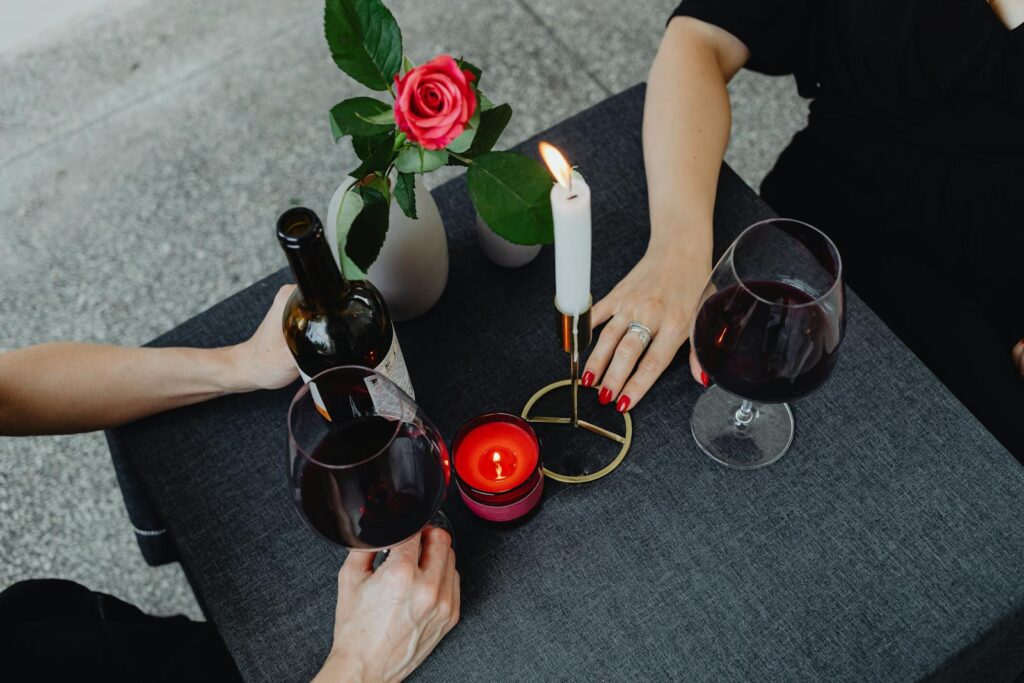
The gathering took place in a third-floor apartment in a busy neighborhood, with seven friends present for a casual Valentine’s evening. The woman at the center — a 26-year-old named Priya — arrived with expectations of a low-key celebration. The host, Arjun, had invited everyone under the pretense of a games night.
Two friends coordinated the prank: Maya, who suggested the idea, and Sameer, who handled the props. A smartphone recorded parts of the evening. The group dynamic was close; most attendees had known Priya for years, which made the prank feel more personal than a random joke.
The apartment’s living room was arranged to focus attention: cushions in a semicircle, a table with snacks, and dimmed lights. That setup amplified the public nature of the prank and limited private escape routes for Priya once the reveal began.
How the Prank Unfolded
Maya told Priya a fabricated story about a surprise planned by the host and asked Priya to sit in the center for a “special reveal.” Priya complied, expecting a harmless surprise. Moments later, Sameer triggered the setup: a loud recorded message and a staged “confession” from an actor via the phone.
The staged confession accused Priya of a minor, fabricated social misstep — something meant to be embarrassing rather than harmful. The room laughed when the audio played, and a prearranged prop (a mock “evidence” note) was shown to amplify the joke. Priya’s reaction was immediate: she froze, then tried to laugh it off, but her voice cracked.
Attempts to defuse the moment were clumsy. A few friends realized it had gone too far and tried to switch topics, while others continued to giggle and point at the props. The recording captured both the audio reveal and Priya’s distressed expression, which later circulated among parts of their wider friend circle.
Immediate Reactions from Friends
Initial responses split almost evenly. Three friends laughed loudly and made comments that drew more attention to Priya’s embarrassment. Their laughter created a feedback loop that intensified the humiliation.
Two others showed visible regret right away. They offered awkward apologies and tried to physically intervene by changing the subject and handing Priya water. One friend, Rina, quietly pulled Priya aside and used a calm, low voice to ask if she was okay.
Arjun, the host, oscillated between defensiveness and attempts to apologize, which confused the group. Some attendees later admitted they assumed Priya would find it funny because of past jokes, but the misread of her boundaries left several friendships strained that night.
Impact of Public Humiliation
The incident left immediate emotional damage and lasting social consequences for the woman. It also triggered online debate about boundaries, consent, and the role of bystanders.
Emotional Response of the Woman
She felt stunned and betrayed when the stunt unfolded. Her face flushed, her voice caught, and she stepped away from the group to collect herself.
Afterward she experienced shame and anger that lingered for days. Sleep became fitful, she replayed the moment repeatedly, and she avoided places where friends would gather.
She reported decreased trust toward the people present. That erosion affected her willingness to confide in those friends and made future social plans feel risky.
The episode also triggered anxiety in public settings. She described increased self-consciousness and a reluctance to participate in group activities that might attract attention.
Social Fallout and Aftermath
Immediate reactions among friends were mixed: some laughed, some looked uncomfortable, and a few tried to apologize. The split response created awkwardness that persisted beyond the event.
Several friendships cooled as lines were drawn between those who defended the prank and those who criticized it. Group dynamics shifted; shared routines and inside jokes became strained.
At work and in mutual social circles she faced indirect consequences. People asked about the incident, and her reputation took on a public, uncomfortable focus she did not want.
Some friends attempted to repair the damage with apologies and private conversations. A few relationships required time and explicit conversations about boundaries before normal interactions resumed.
Online Reactions and Discussions
Video clips and messages circulated on social media the same night, sparking hundreds of comments within hours. Many users condemned the prank as humiliating; others framed it as innocent humor.
Comment threads often debated consent and intent versus impact. Legal and ethical perspectives appeared in replies, with some suggesting the act could cross into harassment.
Supportive messages bolstered the woman but also exposed her to public scrutiny. Strangers offered advice, criticism, and unsolicited commentary that prolonged the emotional toll.
Content moderators and platform users flagged posts, and some uploads were taken down after complaints. The online cycle magnified the incident beyond the original group and kept the story alive longer than the in-person event.
Understanding Boundaries in Pranks
People need clear limits, consent, and empathy when jokes involve others. Pranks that rely on embarrassment, secrecy, or unequal power often cross a line and cause real harm.
Difference Between Harmless and Harmful Humor
Harmless pranks create surprise without diminishing someone’s dignity. Examples include fake spiders or a silly costume surprise where the target is in on the joke or can laugh afterward. These rely on short-lived discomfort and immediate, mutual amusement.
Harmful pranks use personal information, public exposure, or social dynamics to shame or control someone. Public humiliation, spreading false romantic signals, or involving others to mock someone moves the prank into harm. The difference often rests on intent, foreseeability of pain, and whether the target can safely opt out.
Use a simple mental checklist: would the person laugh at themselves later? Could the prank damage relationships, reputation, or mental health? If any answer is no, don’t do it.
Respecting Individuals’ Feelings
Respect starts with asking whether the person has past experiences that make certain jokes triggering. For example, someone with recent relationship trauma or social anxiety is more vulnerable to pranks that mimic romantic rejection. Treat those histories as decisive, not optional context.
Communicate boundaries clearly with friends before planning surprises. If a prank uses other people’s names, intimate details, or public platforms, get explicit consent from those involved. If someone says “I don’t like being made fun of,” accept that as final.
When a prank goes wrong, the responsible party should apologize quickly, acknowledge the harm, and offer to repair social damage. Avoid minimizing feelings by saying “you’re too sensitive”; that shifts blame and deepens the wound.
Lessons for Future Celebrations
Design pranks that default to dignity: make outcomes reversible, private, and low-stakes. Use props or scripts that target situations, not people’s identities or vulnerabilities. For Valentine’s Day specifically, avoid romantic setups that single someone out or imply rejection.
Create a pre-game agreement among close friends about “no-go” areas—topics like breakup history, body image, work status, and mental health. Rotate prank planning to prevent power imbalances where one person repeatedly becomes the target.
If planning a group surprise, assign one person to act as a “safety check” who can veto ideas that would publicly shame someone. That small rule prevents many incidents and preserves trust among friends.
More from Decluttering Mom: