You will see how footage reshaped the investigation of a fatal bonfire shooting and why those frames matter to the case. Video captures crucial moments that investigators and prosecutors now use to reconstruct the confrontation, identify people involved, and weigh claims of self-defense or provocation.
He watches the grainy clips that surfaced after the incident and follows how timestamps, angles, and witness videos combined to create a clearer timeline. The next sections trace how investigators used that footage, what legal moves followed, and why those details could determine outcomes for those charged.
The Role of Video Evidence in the Bonfire Incident

Video footage became central to establishing what happened, who fired shots, and how victims were positioned. Multiple clips, shared or uploaded quickly, shaped both public perception and investigators’ lines of inquiry.
How Video Footage Was Obtained and Shared
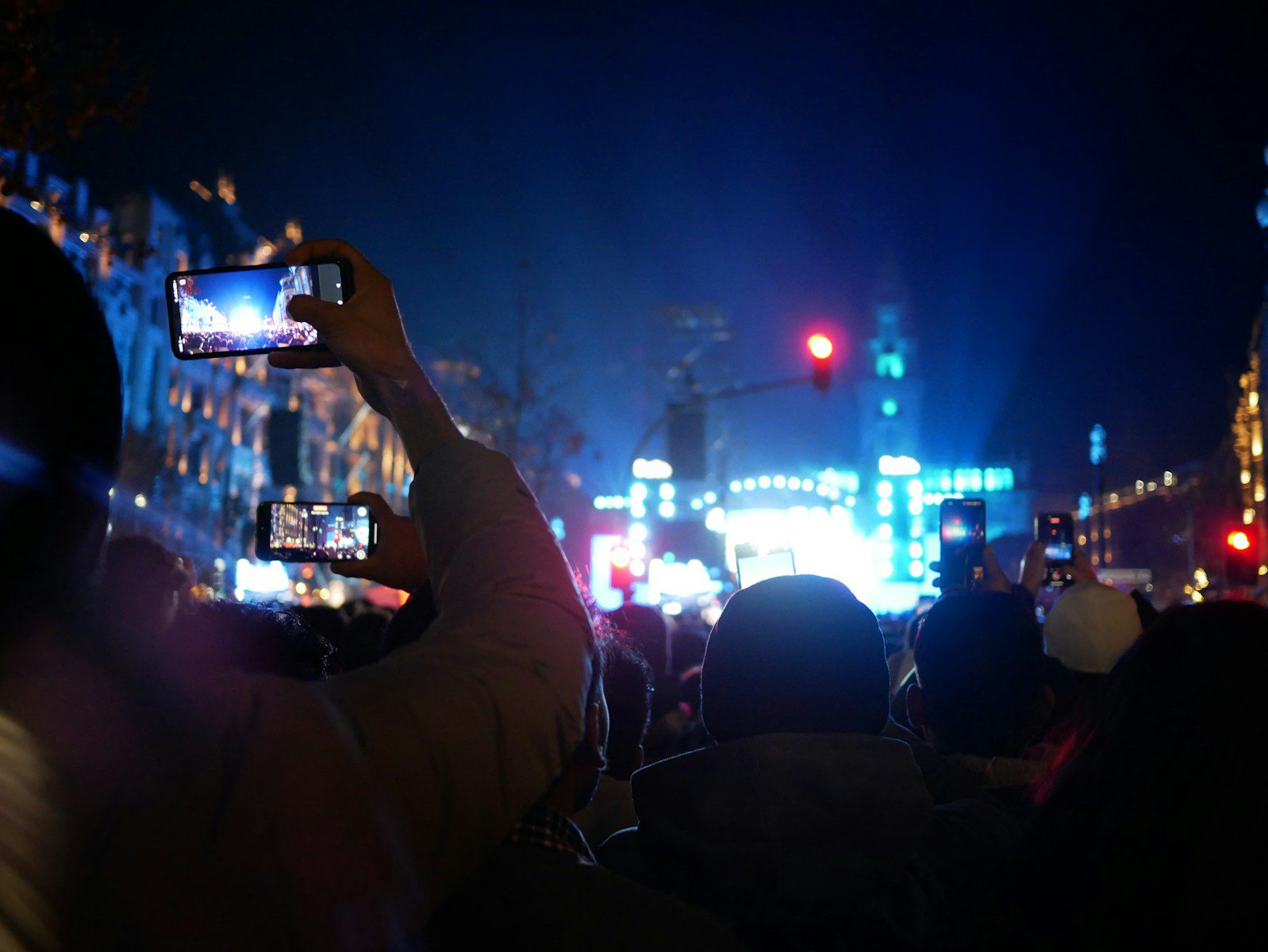
Attendees recorded with smartphones during the bonfire; at least one longer clip circulated widely after being posted on social platforms. Law enforcement collected original device files and requested cloud backups to preserve timestamps and metadata.
Witnesses also uploaded shorter clips to Facebook and other apps almost immediately. Investigators used direct device transfers and subpoenas for account data when necessary to obtain higher-resolution copies and location logs.
Prosecutors prioritized unedited originals for chain-of-custody reasons. They sought to corroborate mobile footage with any surveillance or dashcam video from nearby homes or patrol cars.
Key Details Captured on Camera
Cameras captured the sequence of shots, crowd reactions, and the direction of muzzle flashes in several short clips. One clip shows a person falling and others yelling, which helped establish timeline and potential shooter positions.
Audio on phone videos contains multiple overlapping gunshots; analysts counted rounds and matched them to witness statements. Visual frames allowed for estimates of distance and movement, useful for reconstructing trajectories.
Lighting from the bonfire affected clarity, but several high-resolution phone clips showed clothing, gestures, and possible gun-hand positions. Those visual markers became focal points in witness identification and forensic comparison.
Impact of Social Media Platforms Like facebook
Facebook served as the primary conduit for rapid dissemination; videos and reactions spread within hours. Public resharing amplified reach and created dozens of mirrored copies that complicated provenance tracking.
Platform-altered compression changed video quality, forcing investigators to prefer original uploads or device transfers. Facebook’s takedown and data-request processes also affected how quickly authorities could secure content before it was edited or removed.
Public commentary on Facebook shaped narratives and pressured officials, while private messages sometimes revealed additional eyewitness leads. Law enforcement balanced public-record collection with legal requests to preserve evidentiary integrity.
Reliability and Challenges of Video Evidence
Compression, low light, and handheld motion reduced some clips’ forensic value. Edited or partial uploads on social sites raised authenticity concerns, so forensic labs validated timestamps, file hashes, and metadata.
Chain-of-custody gaps occurred when witnesses shared only screen-recorded copies rather than original files. That forced experts to reconstruct provenance through upload histories, account data, and corroborating footage.
Bias and selective editing by bystanders can mislead viewers; investigators cross-checked multiple videos, eyewitness statements, and physical evidence to avoid overreliance on any single clip. Legal teams prepared to challenge or defend admissibility based on those technical and procedural findings.
Relevant reporting and a viral clip posted to Facebook informed public understanding of the case. The viral circulation illustrated both the evidentiary value and the pitfalls of fast social sharing in active investigations (https://www.facebook.com/stephscasefiles/videos/-shocking-video-of-what-happened-at-kimber-mills-bonfire-is-revealed/1167203024839838/).
Immediate Aftermath: Investigation and Legal Developments
Authorities secured the scene, collected video and witness statements, and began medical and digital evidence channels to establish what happened and who was responsible. Emergency care for severe burns, extraction of phone records, and identification of suspects proceeded on parallel tracks.
Emergency Response and Medical Treatment for Third-Degree Burns
First responders arrived within minutes and found the teen with full-thickness, third-degree burns covering large portions of their limbs and torso. EMS performed on-scene airway, breathing, and circulation checks, started IV fluids to prevent shock, and applied sterile dressings before rapid transport to a regional burn center.
At the hospital, clinicians performed a detailed burn assessment using the Rule of Nines to estimate total body surface area affected. The patient underwent pain control, tetanus evaluation, and early wound debridement planning. Surgical teams discussed timing for excision and grafting to reduce infection risk and improve recovery prospects. Social work and child-protective services were notified because the injured person is a minor.
Law Enforcement’s Use of Phone Number Records
Investigators obtained phone number call detail records (CDRs) and SMS logs from carriers via subpoena to map communications before and after the bonfire. Those records showed which devices were present near the time of the incident and revealed a cluster of calls that helped establish a timeline of who coordinated the gathering.
Lawyers and detectives reviewed location-based data in the CDRs, cross-referenced timestamps with video metadata, and checked for deleted messages. Chain-of-custody was documented when carriers provided electronic copies. If legal hurdles arose, authorities relied on court orders to compel more detailed records, such as cell-site location information, while defense counsel monitored for overbroad requests.
Suspect Identification Process
Police used a combination of video evidence, witness interviews, and the phone number timeline to narrow suspects. Investigators extracted frames from multiple camera angles, enhanced stills where possible, and matched clothing and movements across clips to place individuals at the bonfire.
Witnesses provided names and descriptions; detectives compared those to the phone-derived contact lists and social media profiles. When probable cause coalesced, officers obtained identification from minors’ guardians or through school records. Any arrests or charges were handled with attention to juvenile statutes, and prosecutors evaluated charging options based on the strength of video, medical reports documenting third-degree burns, and the phone-based coordination evidence.
More from Decluttering Mom: