Vintage copper cookware is becoming a must-have in kitchens again, and for good reason. Its unmatched heat responsiveness and timeless craftsmanship give you precise control over cooking, making it a favorite among chefs and home cooks alike. This resurgence isn’t just about nostalgia—it’s about rediscovering a tool that truly enhances how you cook.
As you explore the world of vintage copper, you’ll find it’s more than just a beautiful material. Copper’s ability to conduct heat instantly and evenly allows you to handle delicate sauces or high-heat tasks with confidence. Plus, owning a piece of history adds a unique charm and character to your kitchen.
Whether you’re a seasoned cook or just starting out, vintage copper cookware offers a blend of style, function, and tradition that’s hard to resist. Keep reading to understand why experts say this classic metalware is winning over a new generation of cooks.
What Makes Vintage Copper Cookware Unique?
Vintage copper cookware stands out for its exceptional heat conductivity, traditional craftsmanship, and the use of specialized linings like tin. Its durability and timeless design make it a favorite among collectors and kitchen enthusiasts alike. Understanding these features will help you appreciate the value and performance of copper pots and pans from earlier eras.
Essential Characteristics of Copper Cookware
Copper is prized for its superior ability to conduct heat evenly and quickly. When you use copper cookware, you get precise temperature control, which reduces the risk of hot spots that can burn food. This makes it ideal for delicate cooking tasks like sauces and custards.
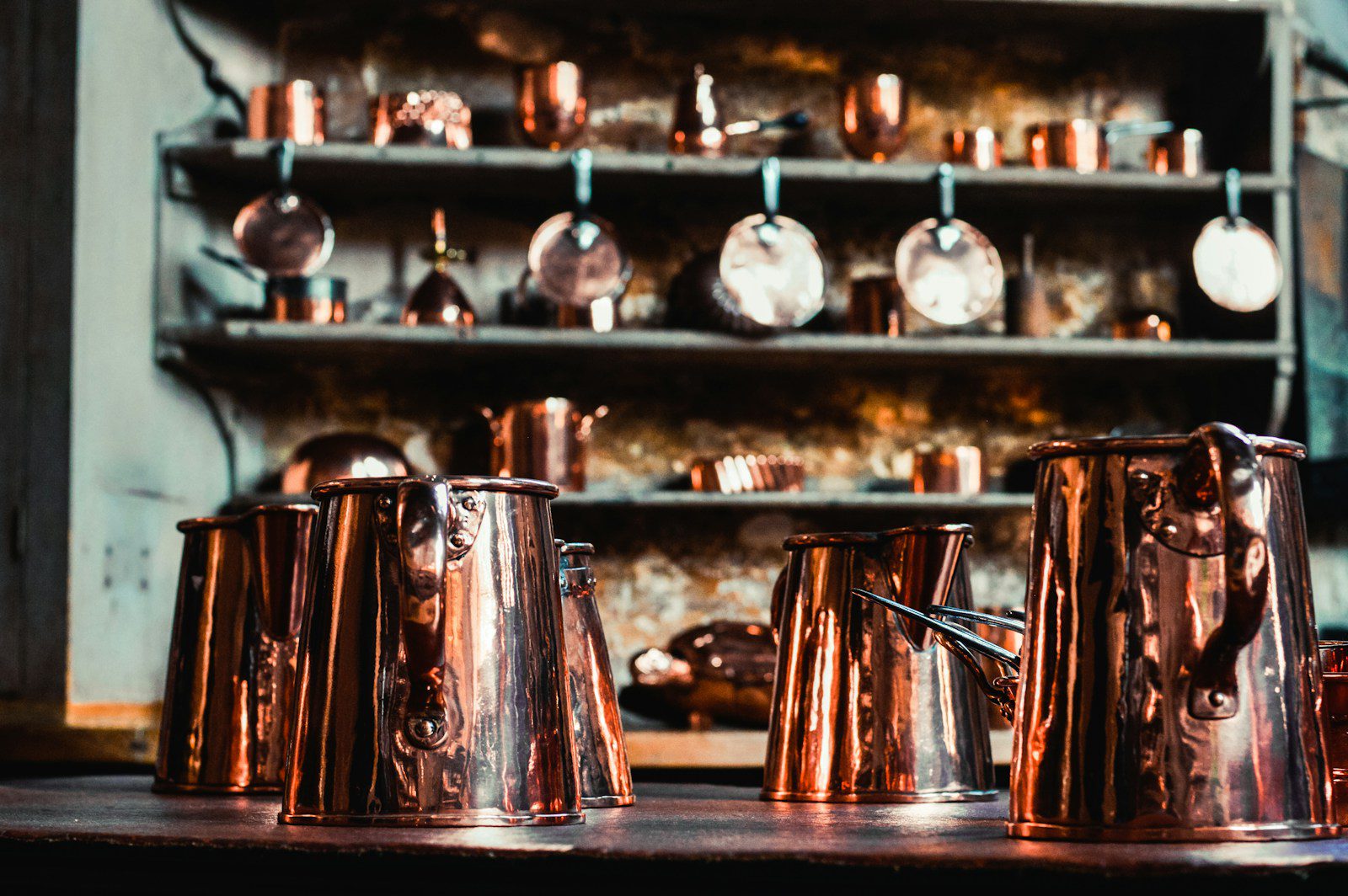
Vintage pieces often feature thicker copper walls—usually around 2 to 3 mm—which adds durability and reduces warping over time. Many older copper pots and pans also have hammered finishes, which aren’t just decorative; those tiny indentations harden the metal and distribute heat faster. Handles are typically riveted and made from metals like bronze or cast iron to provide strength and cooler touch points.
The Importance of Tin Lining
You can’t cook directly on raw copper due to its reactivity with acidic foods, which can cause discoloration and potential toxicity. This is why vintage copper cookware is almost always lined with tin inside. Tin lining offers non-stick properties and excellent heat conduction, superior to many modern alternatives.
However, tin has a lower melting point, around 449°F, so you need to avoid using very high heat. Tin linings also scratch more easily, so it’s best to use wooden or silicone utensils to protect the surface. Over time, tin linings wear down and require re-tinning, a process you might need to consider if you want to keep your vintage cookware in good condition.
Distinction Between Vintage and Modern Pieces
Vintage copper cookware differs from modern versions both in craftsmanship and materials. Older pieces tend to be thicker and heavier, which improves heat retention and durability. They often have hammered finishes, hand-riveted handles, and traditional tin linings.
Modern copper cookware usually features stainless steel linings for easier maintenance and increased durability. While stainless steel is tougher and less prone to needing repair, it doesn’t conduct heat as well as tin and lacks non-stick qualities. Vintage pieces often carry a character and patina that you won’t find in factory-produced modern cookware, making them unique collector’s items as well as functional kitchen tools.
Why Vintage Copper Cookware Is Gaining Popularity
Vintage copper cookware is becoming a favorite not only for its beauty but also for its unmatched cooking performance. You’ll find that chefs and home cooks alike appreciate its responsiveness, while the history behind French culinary traditions adds to its charm. Additionally, these pieces hold value as collectible items and status symbols, which further fuels interest.
Rising Interest Among Home Cooks and Chefs
You might be surprised how many modern chefs and home cooks now prefer copper pots for their superior heat conductivity. Copper’s ability to distribute heat quickly and evenly makes it ideal for delicate techniques like sautéing and sauce-making. That precise temperature control lets you avoid hot spots and prevent burning.
Many chefs admire vintage copper because of its thickness and known durability, outperforming many newer pans. While some copper cookware today uses stainless steel linings, traditional tin linings have a nostalgic appeal and excellent heat transfer. With proper care and occasional retinning, vintage pieces can last for generations in your kitchen.
The Influence of French Cuisine on Copper Popularity
French chefs played a crucial role in making copper cookware the kitchen staple it is today. The rise of haute cuisine in 17th-century France demanded precise heat control and specialized pans, which copper comfortably provided. As a result, copper pots became synonymous with refined cooking.
When you cook with copper, you’re connecting to centuries of culinary history shaped by French techniques like braising and sautéing. The cookware’s design, often including flame-resistant handles and thick copper walls, evolved alongside French gastronomy. This historical link adds a cultural layer to your cooking experience, making these vintage pieces more than just tools.
Status Symbol and Collectibility
Owning vintage copper cookware is often seen as a sign of refined taste and kitchen sophistication. Many pieces, especially those from the 18th and 19th centuries in France and England, were considered luxury items only wealthy households could afford.
Collectors highly prize cast iron or brass-handled copper pots and intricate molds, some worth thousands of dollars. Their rarity and craftsmanship add to their value, making them sought-after for display and use. When you add a copper pot or mold to your kitchen, you’re investing not only in a cooking tool but a piece of history and status.
Performance Advantages of Copper Pans and Pots
Copper cookware offers distinct benefits that can elevate your cooking experience. Its ability to heat quickly and evenly, adapt to various cooking methods, and last for decades makes it a valuable addition to your kitchen.
Superior Thermal Conductivity
Copper pans and pots conduct heat better than most other materials, including stainless steel and aluminum. This means your cookware heats up quickly and distributes heat evenly across the cooking surface. You won’t have to worry about hot spots that burn food or cooler areas that undercook.
Because copper responds so rapidly to temperature changes, you can control your cooking with precision. For tasks like making delicate sauces or melting chocolate, this responsiveness helps avoid overheating and ensures smooth results. It also saves energy since less heat is wasted.
Versatile Cooking Applications
You can use copper cookware for a wide range of recipes, from searing meats to simmering sauces. The even heat distribution allows you to cook foods gently or with high heat, perfect for both slow-cooked dishes and quick sautés.
Copper pots and pans work well on various stovetops, especially gas, where you can adjust flame size easily. Typically, copper cookware needs lining (usually stainless steel or tin) to prevent reaction with acidic foods, letting you cook everything from tomatoes to wine-based sauces safely.
Durability and Longevity
Investing in copper cookware means investing in pieces that last generations if maintained properly. Copper is a soft metal, so many vintage copper pans show character from years of use but remain functional.
With regular polishing and occasional re-tinning, your copper pots and pans can maintain their performance and shine. Compared to non-stick or cheaper materials, copper offers greater durability and can become heirlooms, adding both beauty and utility to your kitchen over time.
Heritage and Craftsmanship: The Legacy of French Copper
French copper cookware has a deep history rooted in specific regions and prestigious brands. Its craftsmanship reflects centuries of skilled practice and attention to detail, making each piece both functional and collectible. Understanding where these pots and pans come from and how they’re made highlights why this cookware endures in kitchens today.
Historic French Producers and Regions
You’ll find that certain French regions are famous for their copper cookware, particularly Villedieu-les-Poêles. This town rebuilt its copper industry after World War II and became a central hub for production from the 1960s through the 1990s.
Villedieu’s smiths responded to international demand, producing high-quality copper pots and pans in significant volumes. The region’s long-standing reputation is tied to its meticulous metalwork, which helped establish French copper as synonymous with durability and excellent heat conduction.
Notable Brands Like Mauviel
When you think of French copper cookware, Mauviel often comes to mind. This brand has been a leader in quality for generations, known for sourcing thick copper that offers superior heat control.
Though recent trends show Mauviel has made their copper a bit thinner since 2014, their vintage pieces remain prized among collectors and chefs. Other respected brands include Dehillerin and Jacquotot, but Mauviel’s longstanding presence in your kitchenware collection signals a connection to French culinary tradition.
Traditional Artisan Techniques
Traditional methods still influence how copper cookware is transformed. Craftsmen use manual hammering to shape copper with precision, often combining it with tin or stainless steel linings for durability and ease of maintenance.
You can expect to find that handmade finishes and thick copper walls distinguish vintage pieces from newer ones. This artisan approach ensures even heat distribution and a level of quality that machine-made cookware rarely matches, preserving the legacy of copper cookware as both a tool and a work of art.
Care, Use, and Restoration of Vintage Copper Cookware
Taking care of vintage copper cookware requires attention to both its copper exterior and the tin lining inside. Proper cleaning preserves its shine and performance. If the tin lining wears down, restoration is needed to maintain safe cooking. You also want to be mindful of modern safety practices to protect your cookware and your health.
Proper Cleaning and Maintenance
To keep your copper pots gleaming, clean them regularly with a gentle copper polish or a homemade mixture of lemon juice and salt. Avoid abrasive scrubbing that can scratch the surface. After washing, always dry your cookware immediately to prevent water spots and tarnish.
When cooking, use utensils made of wood, silicone, or nylon. These prevent scratching the tin lining, which protects food from direct contact with copper. Store your copper pieces in a cool, dry spot. Using felt protectors between stacked pots can help avoid scratches and dents.
Restoring Tin Lining
Over time, the tin lining inside your copper cookware might wear thin or develop holes. It’s essential to address this to avoid copper leaching into your food. Re-tinning is the primary restoration method, where a new layer of tin is applied to the interior.
You can have this done professionally, but there are also DIY options involving heating the pan and applying tin with specialized rods. Keep in mind that tin lining typically needs reapplication after 5 to 10 years of regular use, depending on wear.
Modern Safety Considerations
While copper conducts heat superbly, unlined cookware can react with acidic foods, causing potential health risks. Always check that your vintage cookware has an intact tin lining before use. If the lining is compromised, avoid cooking until it’s restored.
Check for any dents or cracks that could harbor bacteria or cause uneven heating. Avoid using harsh chemical cleaners that can damage both copper and tin. Following these straightforward precautions ensures your vintage copper cookware stays safe and enjoyable for years to come.
Aesthetic Appeal and Decorative Value
Vintage copper cookware stands out not only for its functionality but also for its distinctive look. Its warm glow and evolving surface add character to your kitchen, whether tucked away or proudly displayed. The unique aging process and craftsmanship behind each piece give it charm, making copper pots and pans much more than just cooking tools.
Patina and Visual Charm
As copper pots age, they develop a rich patina that enhances their visual appeal. This natural oxidation process creates variations in color—from bright orange to deep reddish-brown—that tell a story of use and time. Many people appreciate this worn look, as it highlights the authenticity and history of each piece.
While some prefer to polish their copper pots to restore shine, others enjoy the patina as a sign of character and vintage charm. Either way, the surface texture and subtle color shifts make each piece unique and visually interesting.
Kitchen Display and Interior Design
Copper cookware can transform your kitchen’s aesthetic. Whether hung on a decorative rack or arranged on open shelves, copper pots catch the light beautifully and add warmth to any space. Their reflective surfaces contrast nicely with modern appliances, creating a fusion of old-world craftsmanship and contemporary style.
In kitchens styled with rustic or farmhouse themes, copper pots serve as focal points. Even in minimalist designs, their elegant forms bring a touch of sophistication. This dual function—practical and decorative—makes them popular among chefs and home cooks alike.
Collecting and Investment Value
Beyond their looks, vintage copper pots often carry significant investment potential. Certain brands, especially French and English makers from the 19th century, can command prices well over $1,000 due to their rarity and craftsmanship. You should evaluate your pieces based on lining materials (tin linings suggest antiques), maker’s marks, and condition.
Collectors prize cookware that reflects traditional techniques and design. Displaying and caring for these pots properly can help maintain or even increase their value over time. So, acquiring copper cookware combines practical use with a lasting asset.