You can spot undervalued vintage glassware at thrift stores before prices climb, but you need to know what to look for and when to act. Collectible pieces like elegant glass, Depression-era patterns, and name brands such as Cambridge or Heisey often fetch higher resale value and are already being scooped up by savvy collectors.
This post shows where those coveted types hide, how to authenticate them, and simple care tips to keep your finds valuable and display-ready. Learn the signs that separate machine-molded depression glass from hand-finished elegant glass, where to hunt beyond weekend crowds, and which details most affect glassware value so you can move fast and buy smart.
Coveted Types and Makers of Vintage Glassware
You’ll find both everyday table pieces and museum-quality art glass on collectors’ wish lists. Focus on identifying material, production method, and maker marks to separate common thrift finds from high-value items.
Depression Glass vs. Elegant Glass: Key Differences
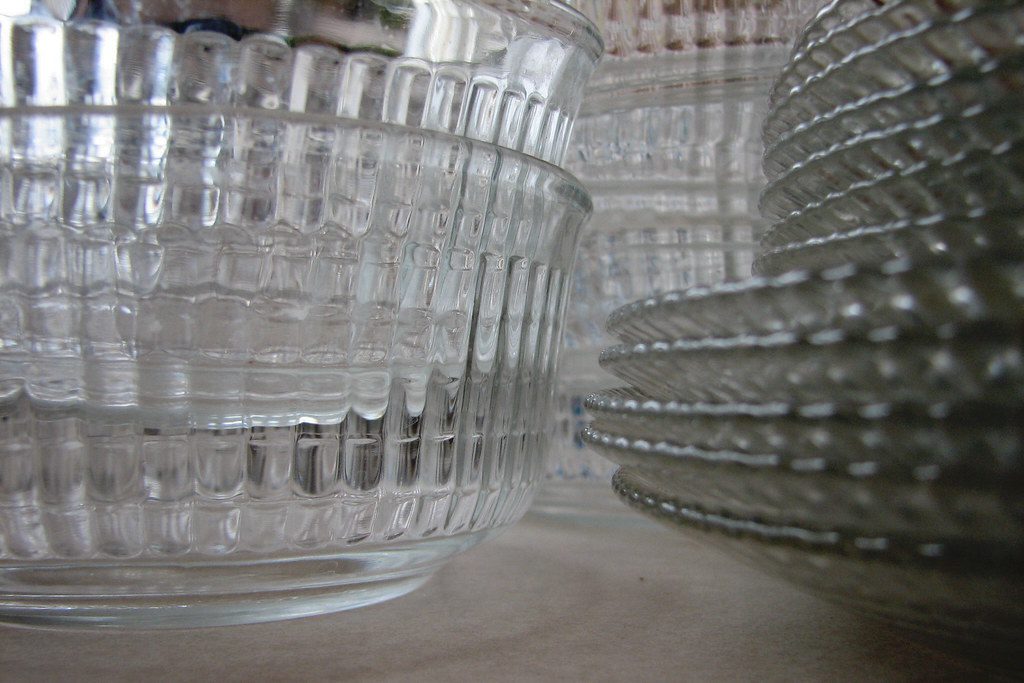
Depression glass was mass-produced in the 1920s–40s and aimed at affordability. It’s usually pressed glass, thin-walled, and comes in bright colors like pink, green, and amber. Common patterns include Block Optic, Princess, and American Sweetheart. Condition issues—chips, clouding, and missing pieces—greatly affect value.
Elegant glass (sometimes called “antique glass” in listings) was made for higher-end markets. Expect hand-blown or cut pieces, heavier weight, and sharper details. Look for optic clarity, polished rims, and refined stems on wine glasses and cocktail glasses. Elegant makers used wheel-cutting, engraving, and etching, which command higher prices than pressed patterns.
Uranium glass glows under UV and can appear in both categories. Carnival glass (iridescent finish) often started as affordable tableware but has its own collector base. Learn tactile differences: pressed seams vs. pontil scars signal industrial vs. hand-finished work.
Most Popular Collectible Glass Styles
Collectible styles to watch include:
- Pressed and Depression glass (patterned sets, ashtrays, compotes).
- Carnival glass (iridescent bowls, ruffled edges).
- Art glass (Murano/venetian pieces, studio glass vases).
- Cut glass and ABP (American Brilliant Period) for decanters and stemware.
- Milk glass and colored glass (ruby, cobalt, uranium).
Focus on specific functional items: cocktail glasses, wine glasses, and decanters often retain premium value when complete sets exist. Smaller items like custard cups or compotes can sell quickly because they’re easy to display. Studio art glass and signed pieces tend to appreciate faster than anonymous production runs.
Condition, rarity, and visual appeal drive prices. Unique colors (uranium, cobalt, and cranberry/ruby) and unusual forms (pulled feather, folded rims) add collector interest. Provenance—original boxes, receipts, or known workshop history—also helps.
Spotlight on Renowned Brands and Artisans
Recognize brand signatures to boost confidence when buying. Fenton produced popular art glass and hobnail milk glass; look for embossed makers’ marks or label remnants. Heisey is prized for its clarity and museum-quality cut patterns, especially decanters and stemware.
European names matter too: Lalique and other French makers command attention for molded frosted pieces and perfume bottles. Murano and Venetian art glass show characteristic lampworked beads, filigree (murrine), and bright millefiori—these often appear without maker marks, so technique and style help attribution.
American makers like Anchor Hocking, Westmoreland, and Fire-King made collectible lines still sought after for everyday display. For studio glass and signed art pieces, check for applied signatures or labels from individual artisans and small studios.
Identifying Valuable Patterns and Marks
Look for clear identifiers: molded pattern names, etched or stamped maker marks, and pontil scars under hand-blown pieces. Pontil marks (rough or polished) usually indicate hand-blown, older work; a polished pontil suggests careful finishing and higher value.
Use UV light to detect uranium glass; it fluoresces bright green under blacklight. Check seams: long, visible mold seams indicate pressed production. Cut or wheel-engraved patterns with crisp lines typically fetch more than pressed motifs.
Pattern guides and recent sale records help confirm names and pricing. Photograph any marks and compare to reputable guides or forums. When in doubt, tiny paper labels, embossed marks, and consistent pattern repeats can tip you toward identifying makers like Fenton, Heisey, Lalique, or Murano studios.
Finding, Authenticating, and Caring for Vintage Glassware
Quick tips: look where dealers and collectors shop, learn the few marks and manufacturing clues that prove age, and protect pieces with gentle cleaning and proper storage.
Best Spots to Buy Vintage Glassware
Visit neighborhood thrift stores, estate sales, and flea markets early—dealers often consign good items quickly. Antique shops and reputable antique dealers carry higher-priced pieces but offer provenance and condition guarantees you won’t find at a yard sale.
Check online marketplaces and auction listings for specific makers or patterns; set alerts for keywords like “Depression glass,” “Lalique,” or the maker name you want. Ask sellers for clear photos of bases and rims, and request provenance if available. When buying in person, examine weight, seam lines, and the base for a pontil mark to distinguish hand-blown from molded glass.
Tips for Evaluating Authenticity and Value
Start with the basics: examine seams, mold lines, and pontil marks. A rough pontil scar usually indicates hand-blown work; continuous sharp mold seams suggest later machine-made production. Look for engraved signatures, acid-etched marks, or paper labels from known makers.
Assess color rarity and condition. Unusual colors (e.g., deep cranberry, uranium green) and strong, original iridescence raise value. Note damage: chips, hairline cracks, clouding, and glass sickness reduce price dramatically. Compare with auction results and reference guides, and when in doubt contact an experienced antique dealer or post clear photos to a collector forum for ID help.
Caring for and Displaying Your Treasures
Handle glass with clean, dry hands and store pieces vertically where rims won’t rub. Use padded shelves or felt liners to prevent chips and scratching. For cleaning, wash by hand in warm water with a mild detergent; avoid abrasive pads or strong chemicals and never put fragile vintage glass in the dishwasher.
For display, keep glass out of direct sunlight to prevent fading and thermal stress. Use stable shelves and avoid overcrowding; consider museum putty for tall or narrow items. Track provenance and condition with simple records—date acquired, seller (antique dealer, shop, or thrift), and any repairs—to preserve value and make future sales or appraisals easier.