Walmart spent years telling shoppers that scanning their own groceries was the future of retail. Now the company is quietly ripping out many of those machines, retreating from a flagship automation bet that was supposed to cut labor costs and speed up lines. The reversal is reshaping store layouts, checkout jobs, and the broader race to automate the front end of American shopping.
Instead of a frictionless, robot-run experience, customers are walking into remodeled supercenters where human cashiers are back at the center of the action. The shift is not universal, but the pattern is clear: self-checkout is being curtailed, fenced off, or reserved for select shoppers as Walmart confronts theft, customer frustration, and the limits of do-it-yourself technology.
The sudden reversal of a decade-long automation push
For years, the company framed self-service kiosks as a core part of its modernization strategy, rolling out banks of machines across its vast U.S. footprint. That narrative has flipped as Walmart is now removing self-checkout kiosks at key locations and permanently closing some self-checkout lanes, a change that has been described as a sudden reversal of its automation push and a sign that the original bet is unraveling in practice. Reporting on The Sudden Reversal makes clear that this is not a minor tweak but a deliberate pullback from a technology once treated as inevitable.
The closures are not confined to a single market or format, which is why they have rattled the broader retail sector that has spent heavily on similar systems. Coverage of how Walmart forced to permanently close self-checkout lanes underscores that the company is responding to structural problems, not just cosmetic complaints. When the largest brick-and-mortar retailer in the United States starts dismantling a signature automation feature, competitors and suppliers take notice, because it signals that the cost-benefit math behind self-checkout is being rewritten.
Why Walmart is pulling back: theft, friction, and “alarming” data
Behind the scenes, the retreat is driven by a mix of losses and customer friction that has proven hard to tame with software alone. Internal and law enforcement data have raised concerns that self-checkout lanes make it easier for some shoppers to skip scanning items or manipulate barcodes, a pattern that has been described as “alarming” in recent coverage. One report on Walmart Makes Sudden Self Checkout Decision After Alarming Police Data notes that the company’s move followed evidence of people using the machines to “skip the scanning process altogether,” a blunt reminder that automation can widen the gap between policy and enforcement.
At the same time, the customer experience has not always matched the marketing. Shoppers who were promised speed have instead encountered flashing red lights, ID checks, and waits for a single attendant to clear multiple machines, turning a supposed convenience into a high-friction bottleneck. Analysis of Walmart Self Checkout strategy notes that the company is especially likely to remove kiosks in high-theft or high-friction stores, a targeted response that acknowledges the technology works better in some environments than others.
From “do it yourself” to “personalized service” at the register
As the machines come out, Walmart is reframing the change as a customer-centric shift rather than a retreat. The company has stated that it is eliminating some of the self-checkout lanes to provide more personalized service and to enhance shopper satisfaction and loyalty, effectively arguing that a human cashier can deliver a smoother, friendlier experience than a blinking kiosk. That rationale is laid out in detail in an analysis of the Impact on the Shopping Experience, which emphasizes the company’s focus on face-to-face interaction.
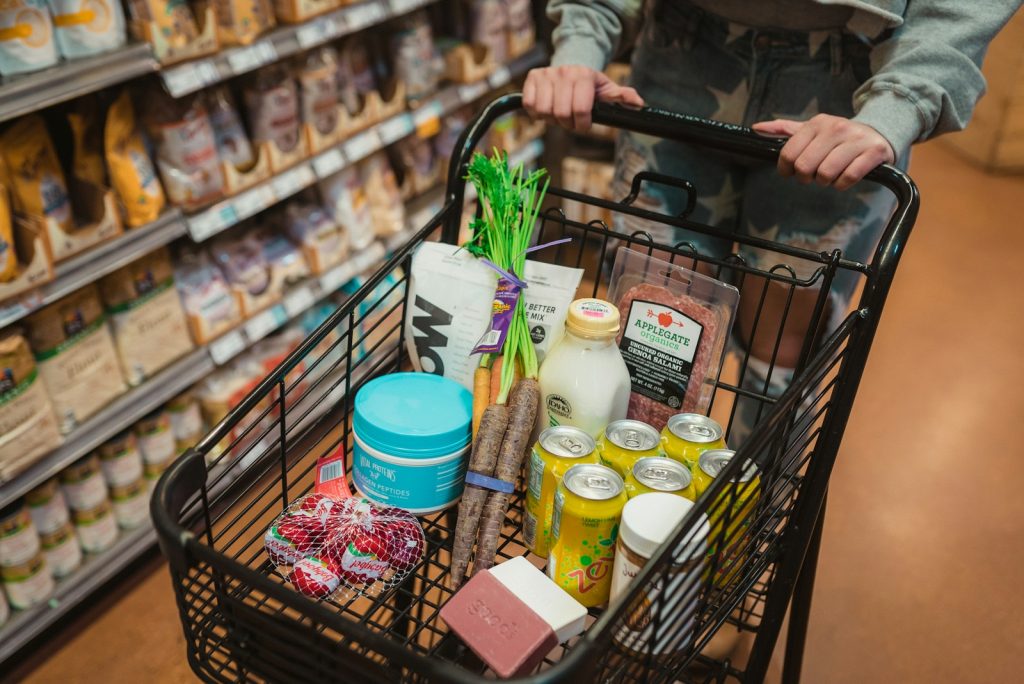
The practical effect is a shift back to traditional lanes, with more staffed registers and fewer self-service bays dominating the front of the store. A companion breakdown of Walmart Removing Self Checkout and the Shift Back to Traditional Lanes notes that the retailer is steering shoppers toward cashier checkouts, especially in locations where self-service has generated complaints or losses. For a company that once encouraged customers to “be their own cashier,” the new message is that a real person at the register may be the best way to keep lines moving and carts honest.
Store-by-store experiments, from Shrewsbury to premium-only lanes
The rollback is not a one-size-fits-all policy, and the details vary from town to town. In some communities, shoppers have walked into remodeled stores to find that the familiar cluster of self-checkout machines has vanished entirely, replaced by more conventional lanes and a different traffic flow through the front end. One example that has drawn attention is a location in Shrewsbury, where local shoppers have documented the disappearance of the machines and the return of additional staffed registers, a microcosm of how the strategy is playing out on the ground.
Elsewhere, the company is not eliminating self-checkout entirely but tightening access. Stores in St. Louis, Missouri, and Clev have been cited as examples where self-checkout is being reserved for certain premium members, while other shoppers are directed to traditional lanes, effectively turning automation into a perk rather than a default. Reporting on how Stores in those markets are experimenting with member-only lanes shows how Walmart is using its scale to test different models of who gets to use the machines and when.
Customer backlash, viral videos, and the politics of the checkout line
The shift is unfolding in full view of shoppers who have strong feelings about how they pay and leave. Some customers who disliked scanning their own items are cheering the change, while others who valued the perceived speed of self-checkout are venting online about longer waits and fewer options. A widely shared video titled Walmart Forced to Close Self-Checkout Lanes Permanently captures that tension, with the creator asking viewers to “raise your hand if you hate selfch checkckout just as much as I. do” before conceding that “you know it’s not that bad but it’s bad enough,” a muddled verdict that mirrors the broader public ambivalence.
Those emotions matter because they shape how quickly shoppers adapt to the new layouts and whether they blame the company for any added friction. Coverage of how Walmart has been removing self-checkout notes that casual observation from law enforcement has fed concerns about theft, but it is the day-to-day experience of ordinary shoppers that will determine whether the new balance between automation and human labor feels like progress or regression. In a polarized retail environment, even the design of a checkout line can become a flashpoint.
Automation is not dead, but it is being redefined
Despite the pullback, Walmart is not abandoning technology at the front of the store so much as recalibrating how it is used. The company continues to invest in digital tools, from its website at Walmart.com to app-based services that let customers order online and pick up in store, shifting some of the automation away from the register and into the broader shopping journey. Industry analysis of Kiosks, Scan & Go, and What is Next suggests that the retailer is exploring AI-assisted kiosks and mobile scanning options that may eventually offer a more controlled, less theft-prone version of self-service.
At the same time, Walmart is signaling that not every futuristic idea belongs in every aisle. A look at broader plans for 2026 notes that Walmart Customers Will Witness Some Big Changes In the coming year, including a push toward Healthier food product options that reflect shifting consumer priorities. In that context, the retreat from all-purpose self-checkout looks less like a rejection of innovation and more like a decision to focus on technologies and assortments that demonstrably improve the trip, rather than simply shifting labor from employees to shoppers.
What Walmart’s pivot means for the rest of retail
Because Walmart is so large, its decisions often function as a stress test for industry trends, and the self-checkout reversal is no exception. Other chains that raced to install similar systems are now watching closely to see whether a mix of theft concerns, customer frustration, and operational complexity will force them to follow suit. Coverage of how Walmart’s unexpected self-checkout move rattles the multi-billion-dollar retail sector underscores that the company’s choices are already influencing how rivals think about their own automation roadmaps.
For shoppers, the near-term reality is a patchwork of formats and rules that can change from one store to the next. A customer might breeze through a member-only self-checkout lane in one city, then find only staffed registers in another, or encounter a remodeled front end that looks more like a traditional supermarket than a futuristic lab. In some locations, even the physical environment around the store, such as the layout of a shopping center or the presence of nearby attractions like the site referenced in this place view, can shape how traffic flows and which checkout formats make sense. The larger lesson is that automation in retail is not a straight line but a series of experiments, and Walmart’s decision to kill off many self-checkout lanes is a reminder that even the biggest players can misjudge how much work shoppers are willing to do for themselves.
More from Decluttering Mom: