Better relationships rarely hinge on the perfect speech. They are built in the quiet moments when one person feels genuinely heard by another. Learning to listen with that kind of presence is less about talent and more about a handful of habits anyone can practice, and those habits can turn everyday conversations into real connection.
Becoming a better listener is not a soft, optional skill; it is the backbone of trust, intimacy, and emotional safety at home and with friends. When someone feels understood instead of judged or fixed, they relax, open up, and start to believe the relationship is a place they can land, not a performance they have to ace.
Why listening feels hard, and why it matters so much

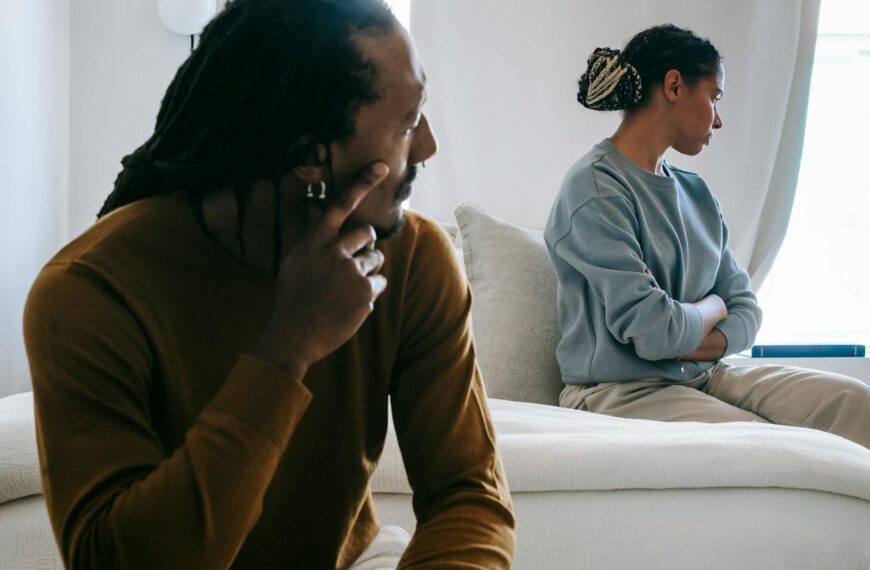
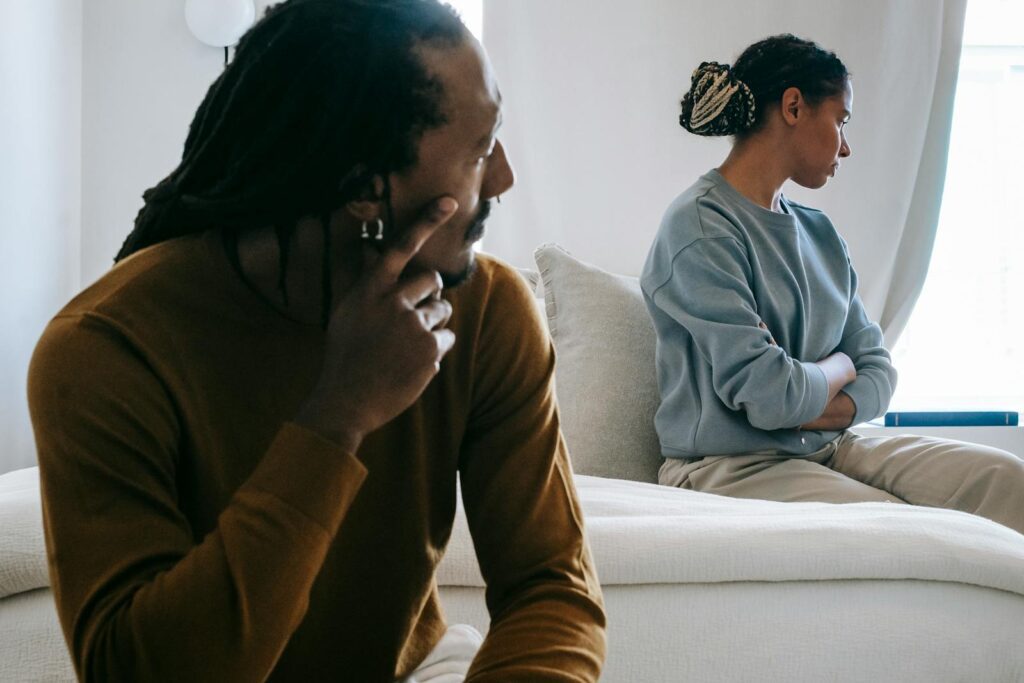
Most people think they are decent listeners, right up until a partner points out that they feel talked over, rushed, or dismissed. Real listening is mentally demanding, because the brain is already juggling its own thoughts, worries, and to‑do lists while trying to track another person’s story. Relationship therapists note that Why listening feels so tiring is that it requires sustained concentration, not just being physically in the same room. Communication researchers add that information overload and constant notifications make it even tougher to stay with a conversation, so the person checking a feed like Twitter in the middle of a talk will miss key emotional cues and details.
That effort is worth it, because listening is not just polite, it is how people experience care. When someone leans in, tracks the story, and responds thoughtfully, the speaker feels seen and valued, which is why relationship coaches say that When you listen, the other person feels heard and respected. Therapists who work with couples describe trust and intimacy as the bedrock of strong bonds, and they consistently point to listening as the key to Building Trust and. In that frame, listening is not about waiting for a turn to speak, it is about making it emotionally safe for the other person to bring their full, messy self into the relationship.
Simple habits that turn hearing into real connection
Good listeners do a few small things consistently, and those moves are surprisingly concrete. First, they clear space. That might mean putting a phone face down, closing a laptop, or even pausing a podcast so their attention is not split. One everyday example comes from a personal goal shared in early Jan, where the writer commits to giving someone full attention, then waiting three seconds after they stop talking before responding, and only then reflecting back what they heard Instead of jumping in. Therapists who teach active listening encourage couples to start by giving full attention, to Start by putting distractions away and dedicating a few minutes just to the conversation.
From there, the skill is about how someone responds. Rather than rushing to fix things, a better listener gets curious and asks open questions like “What was that like for you?” which relationship counselors highlight as a core part of Why Listening Is to deeper understanding. Therapists trained in What they call Active Listening describe it as using verbal and nonverbal cues to show engagement, reflecting feelings back, and focusing more on understanding than on getting a point across, which is how one counselor explains What this skill really involves. Others break it into practical “Skills for” being more effective, like summarizing what was said, asking clarifying questions, and checking whether the other person wants problem solving or just space to share, as outlined in guidance on Skills for better listening.
Body language quietly does a lot of the heavy lifting. Therapists influenced by John Gottman talk about Active Listening as engaging with intention, using strategies such as maintaining eye contact, nodding, and open posture to support richer dialogue and deeper understanding, which is why one counseling guide on John Gottman emphasizes those cues. Another breakdown of the Levels of listening describes Level 2 as Active Listening, where someone is tuned in to the content and the emotion behind the words, not just waiting for their turn, which is how one coach explains Level 2 Active Listening. Relationship psychologists like Amber Dalsin, M.Sc., C. Psych, add that one of the hardest skills is pausing to ask whether a partner wants problem solving or just to share, a point she makes while listing six Ways to Become a Better Listener.
Practicing deep, intentional listening over time
Like any skill, listening gets easier with repetition, not with wishful thinking. Some people are treating it as a yearly intention, not a quick fix, such as Janette Owens, who writes about learning to be a better listener in 2026 and admits that paying full attention sounds simple but is surprisingly hard, a reflection she shares in a piece that is Rated on a five‑star scale. Relationship coaches talk about Intentional Listening as the missing lesson from early life, the ability to notice what is happening in the present moment inside oneself and in the other person, which they frame as a core quality of a good listener in their discussion of Intentional Listening. Others describe the Japanese Art of being a Good Listener as choosing to make understanding more important than being right, a mindset shift that one relationship expert highlights when explaining how to Listen Better in Relationships.
Structured practice can help. University learning resources on active listening suggest concrete steps like facing the speaker, minimizing distractions, and using short summaries to confirm understanding, noting that They all help ensure both that the listener hears the other person and that the speaker knows they are being heard, as laid out in a guide on how They support better conversations. Mindfulness‑oriented coaches encourage people to Master the skill of listening with specific technique, such as focusing on the speaker’s words for a set period before responding, a strategy described in a piece that invites readers to Master the art of listening. Other relationship educators remind couples that listening is the core of connection and that when you listen with curiosity, you signal that the relationship matters, a point made in advice that lists four Tips to be a Better Listener in a Relationship and explains Why It Matters. Therapists like Dr. Scott Conkright describe the Benefits of Active Listening in Relationships, noting that Enhancing Emotional Connection happens When partners feel validated and understood, as outlined in his discussion of Benefits of Active. Finally, communication experts stress that active listening means engaging fully, showing empathy, and asking clarifying questions, then pairing that with “I” statements to Express feelings without blame, a set of Key practices summarized in guidance that urges people to Practice active listening, Engage with their partner, Use “I” statements, and Express themselves clearly.
More from Decluttering Mom: