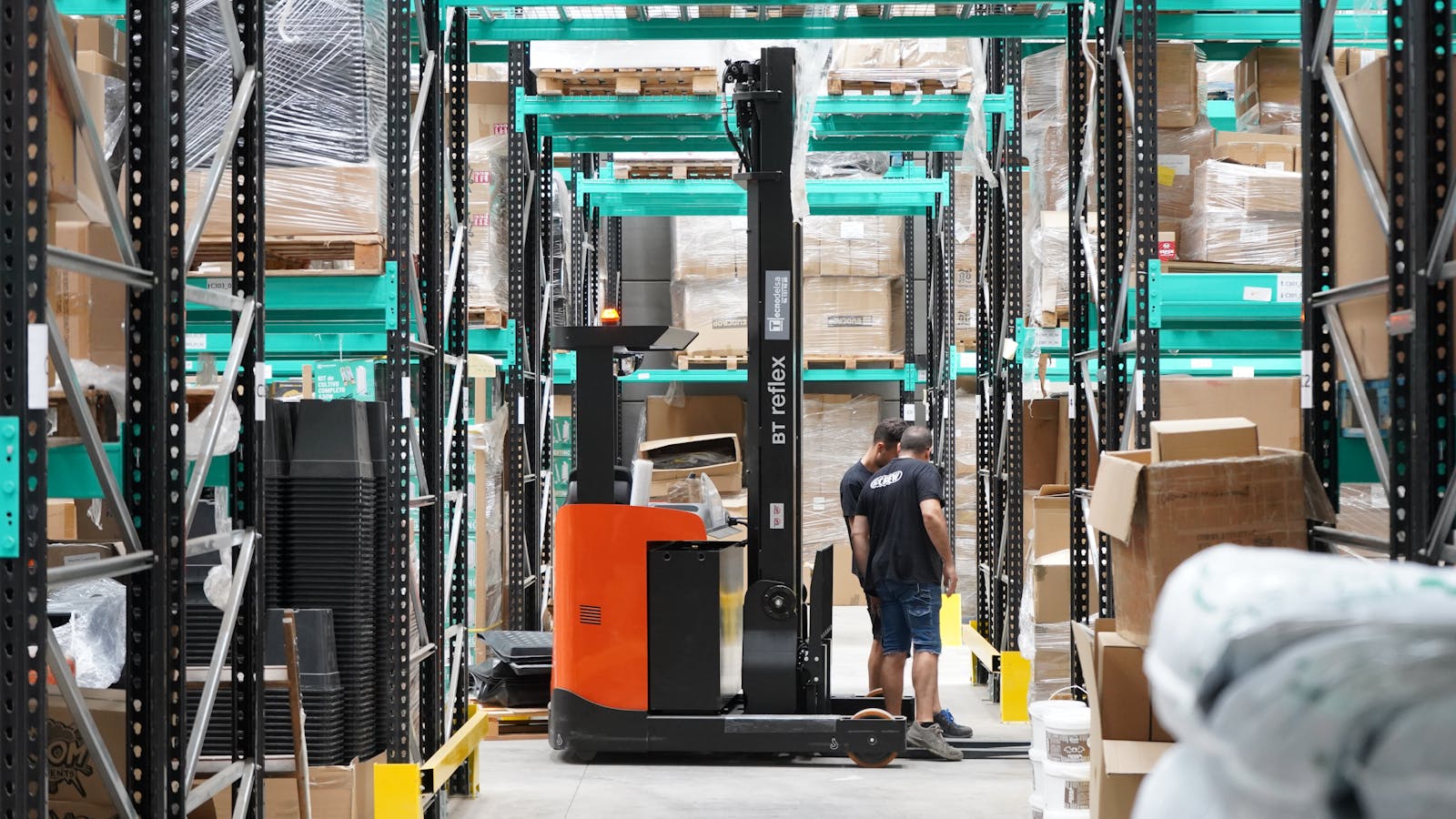
When a reseller wires $3,400 into a mystery pallet of Home Depot returns, they are not just buying tools and appliances, they are buying uncertainty. The recent unboxing of a high‑dollar pallet, where every item was tested to see what still worked, shows how quickly that uncertainty can swing from “huge mistake” to “surprisingly solid haul.” The real question is not whether one pallet paid off, but whether this kind of gamble makes sense as a repeatable strategy rather than a one‑time thrill.
Look closely and the pallet becomes a case study in a bigger shift in retail: returns are no longer just a cost of doing business, they are a secondary market. Between official liquidation auctions, side‑door wholesalers and social‑media hype, Home Depot returns now sit at the crossroads of bargain hunting and small‑business risk. That is where the $3,400 bet either looks smart, or reckless.

The $3,400 mystery: what the buyer actually purchased
The video that kicked off this debate follows a reseller who has Another Home Depot returns pallet dropped at their shop, with a manifest value that supposedly justifies spending exactly $3,400 in one shot. They do the thing every would‑be flipper dreams of, cutting through the wrap and testing each tool, appliance and stray gadget to see what powers on, what limps along and what is pure scrap. According to the clip, the results were “very surprising,” which is polite code for a mix of near‑new gear and a few doorstops that will never see a worksite again, a pattern that matches how Home Depot’s generous returns policy feeds this ecosystem in the first place.
That same clip is framed as a follow‑up, with the narrator describing it as Another Home Depot pallet arriving after earlier experiments, which matters because it hints at a learning curve rather than a one‑off stunt. The companion description, tagged as Posted and Last updated on the same day, reinforces that this is a fresh snapshot of how these pallets look right now, not a relic from a different returns era. What the video does not provide is a full line‑by‑line manifest or resale ledger, so anyone trying to reverse‑engineer exact profit is guessing, but it does show enough working tools to make the bet look at least defensible for a seasoned reseller.
Why Home Depot pallets tempt flippers in the first place
Part of the allure is the retailer itself. Home Depot, formally branded as The Home Depot, is built around durable goods, from power tools to big‑ticket appliances, which tend to hold resale value better than fast fashion or seasonal decor. The company’s own site, Home Depot, showcases that focus on tools and building materials, and that product mix is exactly what many resellers want in a pallet. A single working cordless kit or air compressor can erase a big chunk of the buy‑in, which is why buyers are willing to tolerate some dead weight in the stack.
There is also a growing cottage industry around these loads. One guide describes how Home Depot return pallets are more than just stacks of unwanted items, arguing that they can be a “treasure trove” for people who want a lower‑barrier route into reselling without special certification, and it explicitly frames Home Depot return pallets as a way to enter that route without requiring such certification, using the phrase Home Depot return to underline that point. B‑Stock’s marketplace leans into this too, noting that Home Depot, identified as Home Depot and The Home Depot, runs its own liquidation auctions there, with Liquidation Auctions With dedicated lanes for different categories, which gives buyers at least some structure even if the exact contents remain a gamble.
From “total lies” to “tape not even cut”: the condition wild card
If the $3,400 pallet looked surprisingly strong, other buyers have not been so lucky. In one YouTube breakdown, Tony walks viewers through a liquidation Home Depot pallet and bluntly says that some of the stuff advertised as all brand new was “total lies,” calling out how photos and descriptions did not match the beat‑up tools that arrived. That experience, captured in Tony’s video, is the nightmare scenario for anyone wiring thousands of dollars into a pallet they have only seen in a thumbnail.
On the flip side, some resellers rave about RTV items, shorthand for “return to vendor,” that arrive effectively untouched. One Facebook buyer says they have bought several RTV items that were brand new in the box, with Tape not even cut and everything working perfectly, arguing that you “just have to look” for the right loads, a sentiment shared in a post that highlights RTV deals. That split screen, between “total lies” and “Never even been opened,” is exactly why guides like Optamark’s warning on Buying Liquidation Pallets The items included in these pallets are typically untested and sold as‑is, stressing that buyers need serious diligence before making a purchase, have become required reading, as seen in the cautionary language around Buying Liquidation Pallets risks.
Manifests, opacity and the EBITDA mirage
For a lot of would‑be buyers, the real stress is not the odd broken drill, it is the lack of transparency around what is actually on the pallet. A Facebook discussion about the value of a Home Depot liquidation store captures this bluntly, with one commenter saying they would pass and look for a different business to buy and asking What is the true EBITDA, before warning that there are Lots of junk in those deals and that the business is Only worth the inventory, probably worth the wholesale price at best, a view laid out in a thread that leans on What the numbers really mean. That is the pallet game in a nutshell: the inventory might be fine, but the business model built on it can be shaky if the inputs are opaque.
Some wholesalers try to calm those nerves by promising that Most pallets of merchandise are all 100% brand new items, with only some mixed with customer returns or seasonal goods, a claim that appears in a Facebook sales pitch that leans on the word Most and highlights the “100% brand new items” language to reassure buyers. Yet other guides, including one that urges buyers to Inspect Before You Invest and Always push for good photography and honest descriptions, underline how fragile those promises can be, using the phrase Inspect Before You as a kind of mantra. The smarter read is that EBITDA projections are almost meaningless until a buyer has seen enough manifests and unboxings to know how a particular supplier grades its loads.
How Home Depot pallets stack up against Amazon and Target
To really judge whether the $3,400 risk was worth it, it helps to zoom out and compare Home Depot pallets to other return streams. Amazon pallets, for instance, are sold through a web of marketplaces, from Amazon Liquidation Auctions and Dir‑branded channels to broader sites like Liquidation.com, which are described as gateways to acquiring return pallets in one overview of Amazon Liquidation Auctions. Those loads can contain anything from electronics to kitchen gadgets, which makes them exciting but also harder to specialize in. Target pallets, by contrast, skew heavily toward apparel and home goods, and one guide notes that Some items in those return pallets may be new and unopened while others are slightly used or damaged, with wide variation in condition that raises the risk regarding the condition of the items, a pattern spelled out in a breakdown of how Some loads look.
More from Decluttering Mom: