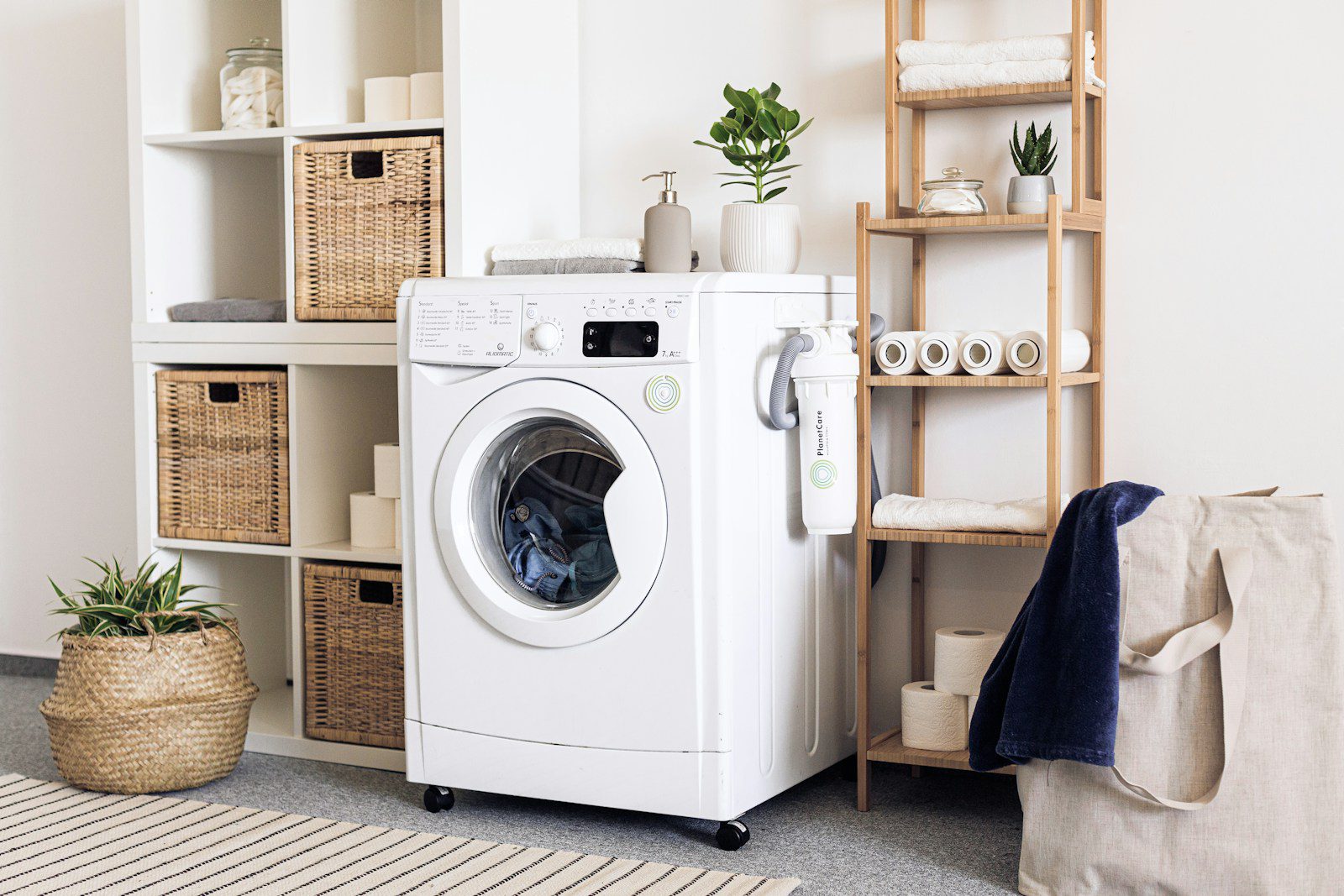
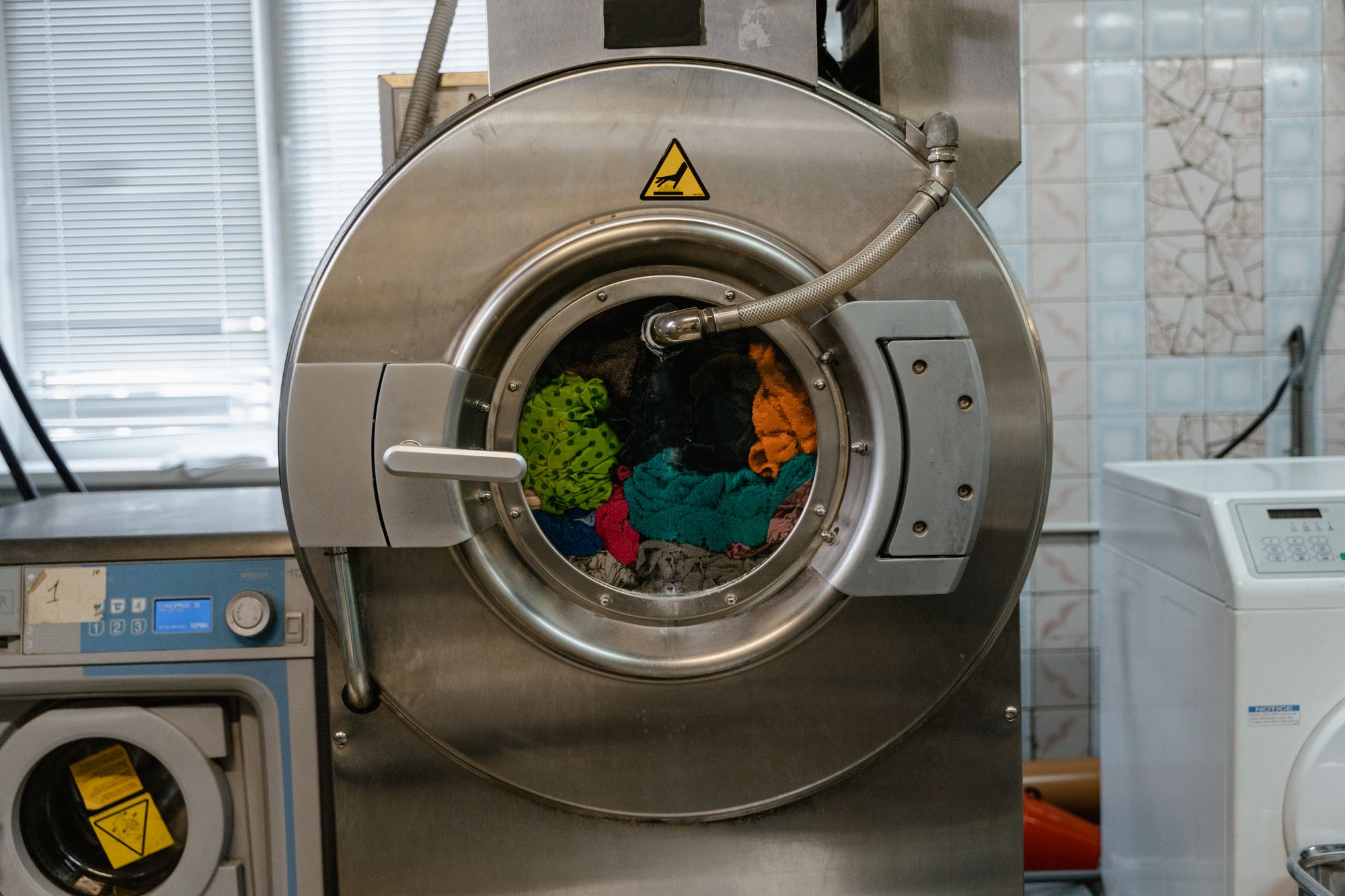
About 90 percent of the energy your washing machine uses doesn’t go to spinning or cleaning at all. It goes to heating the water. That single number, cited by both ENERGY STAR and the American Cleaning Institute, is the first sign that the hot-water habit a lot of households never questioned is costing more than it’s delivering. You probably grew up believing scalding water was the only way to actually get clothes clean, and for decades that was closer to true. Detergent chemistry has changed since then, and the fabric itself pays a price you can measure. Textile research on repeated laundering shows heat is one of the biggest drivers of shrinkage over time, not dirt or grime resisting a cooler wash.
The Detergent Argument Doesn’t Hold Up Anymore
Hot water used to matter because older detergent formulas needed heat to activate. That’s no longer the bottleneck. The American Cleaning Institute notes that current detergent technology relies on enzymes engineered to work efficiently in cold water, which is why most everyday loads don’t need a hot cycle to come out clean. There’s actually a case for going the other direction on certain stains: the institute specifically flags grass, makeup, and blood as stains that should be washed in cold water only, since heat can set and permanently bond those particular stains into the fabric rather than lifting them out. ENERGY STAR’s own guidance is blunt about it — cold water “will generally do a good job of cleaning,” with hot water reserved mainly for genuinely oily loads or when someone in the house is sick and you want extra sanitizing heat.
What Hot Water Actually Does to Fibers
The clearest evidence against habitual hot washing comes from lab testing, not marketing copy. A textile study out of Oregon State University measured shrinkage across repeated launderings at three water temperatures and found wash temperature was the single most statistically significant factor in how much a fabric shrank. Washed at roughly 140°F, one fabric sample shrank more than half an inch per yard after just one hot wash, with shrinkage in the range of 2 to nearly 3 percent after ten launderings depending on direction of the weave. The same fabric washed in cool water, around 68°F, stayed under 1.75 percent total shrinkage over that same ten-wash span. The researchers also noted that shrinkage happens fastest in the first few washes and that fabrics simply held their appearance better when laundered in warm or cool water instead of hot.
Fading Follows the Same Pattern as Shrinking
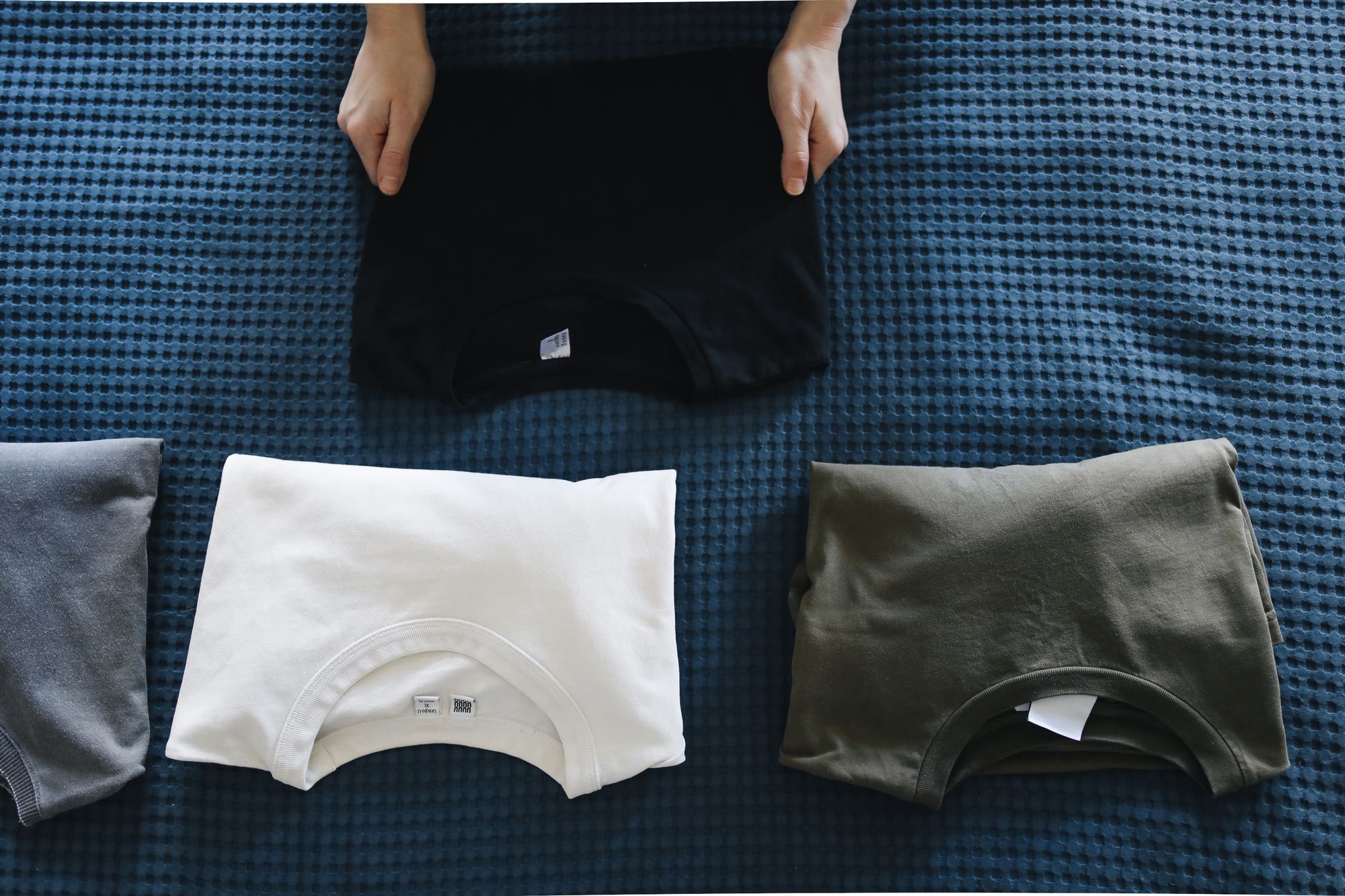
Shrinkage isn’t the only cost. Heat accelerates dye breakdown and color transfer between garments, which is part of why so many care labels specify cold or cool water in the first place. The American Cleaning Institute points out that cold water washing helps prevent fading, shrinking, and color bleeding all at once, and that following the temperature on a garment’s care label — rather than defaulting to hot out of habit — is what actually extends how long clothing looks new. There’s a practical upside beyond appearance, too: because cold water is gentler on dye, it lets you wash larger, mixed-color loads without the color-bleeding risk that forces separate hot loads by color in the first place.
The Energy Math Makes the Habit Even Harder to Defend
Even if you set fabric wear aside, the energy case against habitual hot washing is stark. ENERGY STAR notes that simply switching the temperature dial from hot to warm can cut a washing machine’s energy use roughly in half, and going to cold cuts it further still. The American Cleaning Institute cites a Sierra Club estimate that a household switching its laundry to cold water can avoid about 1,600 pounds of carbon dioxide emissions a year. None of these organizations argue you should never use hot water — sanitizing loads, genuinely oily stains, and specific illness situations are real exceptions. What they’re pushing back on is the reflexive assumption that hot equals clean and cold equals compromise.
Why the Habit Sticks Anyway
Part of why hot-water washing persists is that the damage it causes is gradual and easy to blame on something else. A shirt that’s a little tighter across the shoulders or a pair of jeans that’s faded at the knees looks like normal wear, not the cumulative result of dozens of hot cycles. The Oregon State research is useful precisely because it isolates temperature as a variable and shows the damage compounding wash after wash rather than appearing all at once. That’s also why the fix is so easy to overlook: there’s no single ruined load to point to, just clothing that quietly needs replacing sooner than it should.
The Bottom Line
Hot water isn’t buying you cleaner clothes for most everyday loads; it’s mostly buying you a bigger energy bill and fabric that wears out faster. The fix isn’t complicated. Read the care label, save hot water for the loads that genuinely need it, and let the enzymes in modern detergent do the job they were actually built for.