You probably yank any unwanted plant the moment it appears, but some of those “weeds” actually help your garden thrive. Keeping a few common weeds can support pollinators, improve soil health, and reduce the need for fertilizers and pesticides.
Look for plants that feed bees and butterflies, fix nutrients into the soil, or act as groundcover so you can protect young flowers and vegetables without constant weeding.
This article will show which unexpected helpers deserve a spot in your yard and how to manage them so your garden ecosystem benefits without getting out of hand.
Why Some Common Weeds Are Actually Valuable
These plants can improve soil structure, add nutrients, suppress worse weeds, and provide food and habitat for pollinators and predatory insects that help control pests.
The Role of Beneficial Weeds in Soil Health
Certain weeds act like natural soil engineers. Deep-rooted species such as dandelion and chicory break up compacted layers, creating channels that improve aeration and water infiltration. That loosening lets roots of your vegetables and shrubs reach deeper moisture and nutrients.
Leguminous weeds and clovers host nitrogen-fixing bacteria in their roots. This process converts atmospheric nitrogen into forms plants can use, reducing the need for synthetic fertilizer and improving long-term soil fertility. When you mow or cut these plants, the residues can be added to compost or left as organic mulch to slowly release nutrients.
Some weeds add organic matter through their foliage and roots as they die back. That organic matter feeds soil microbes and helps build crumb structure, which increases water-holding capacity and nutrient exchange. Allowing patches of beneficial weeds strategically—along borders or in low-value turf—can improve whole-bed soil health without overtaking high-value plantings.
Supporting Pollinators and Beneficial Insects
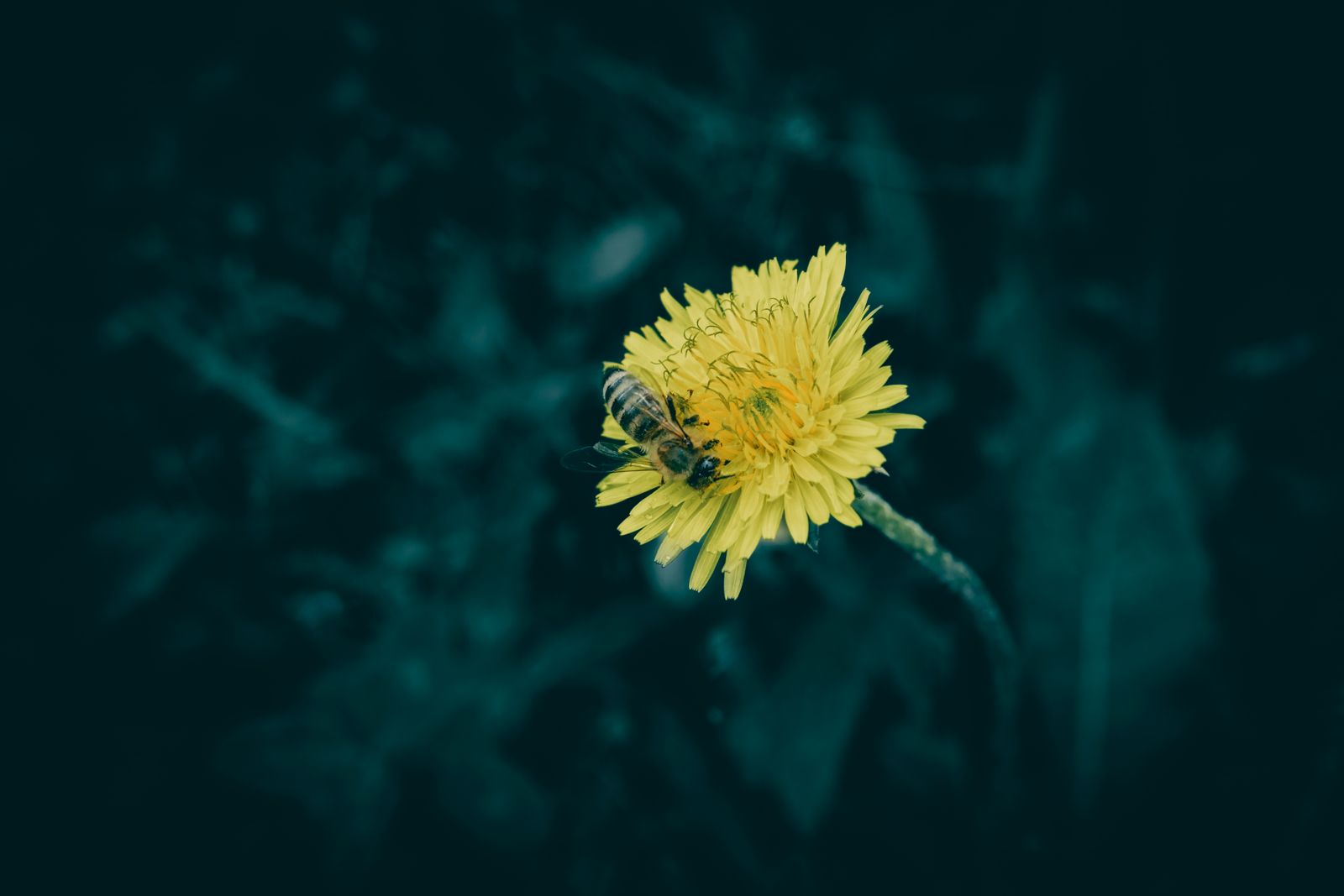
Many common weeds bloom at times when garden flowers are scarce. Goldenrod, dandelion, and violets provide nectar and pollen for bees, butterflies, and hoverflies during early spring or late fall. Those blooms help sustain pollinator populations that, in turn, increase fruit set and vegetable yields in your garden.
Weeds also attract predatory and parasitic insects that control pests. Plants with small clustered flowers, such as yarrow and chickweed, draw lady beetles, lacewings, and parasitic wasps that feed on aphids, caterpillars, and other pests. Letting narrow strips of these plants persist fosters a local population of beneficial insects you don’t need to introduce artificially.
Planting or tolerating a mix of flowering weeds across the yard creates staggered bloom times. That continuous food supply supports adult pollinators and provides habitat for larval stages, contributing to a healthier garden ecosystem that relies less on chemical interventions.
Ground Cover and Living Mulch Advantages
Low-growing weeds like chickweed, plantain, and clover make effective living mulch. They shade bare soil, which reduces evaporation and keeps soil temperatures steadier for adjacent crops. That shading also suppresses weed seedlings that would otherwise compete with your preferred plants.
Living mulch reduces erosion on slopes and in bare patches by holding soil with fibrous root systems. Many of these ground cover plants are easy to mow or cut back, producing trimmings you can use as organic mulch around tender transplants. This practice recycles nutrients in place and minimizes disruptions to soil structure.
Using beneficial weeds as ground cover can lower your mulch needs and improve compost feedstock. When you remove clippings for compost, you return concentrated organic material to beds later. Managed carefully, ground-covering weeds offer a low-cost, low-effort option to protect soil and support plant health.
Highlighting Unexpected Helpers: Weeds Worth Keeping
These common plants return benefits you can use: early nectar for pollinators, soil improvement, edible leaves and flowers, and low-maintenance groundcover. Use selective tolerance—keep them where they help and remove them where they compete with prized plants.
Dandelion, Clover, Violets, and Chickweed
Dandelions (Taraxacum officinale) push deep taproots that break compacted soil and mine nutrients from belowground. You can harvest young leaves for salads and use the flowers to make vinegar or fritters. Leave a few in lawn edges or unmown patches to feed early bees.
White clover (Trifolium repens) fixes nitrogen and stays short, so it improves soil fertility and competes less with turf. Manage clover by mowing at a moderate height rather than spraying it out.
Wild violets (Viola sororia) form attractive low mats and supply nectar to early pollinators. They spread slowly by seed and stolons; remove only where they smother desired groundcovers.
Chickweed (Stellaria media) grows low and fast; it’s edible and high in vitamin C. Use it as a temporary green in cool-season beds, but pull it from vegetable starts where it crowds seedlings.
Plantain, Yarrow, Purslane, and Self-Heal
Broadleaf plantain (Plantago major) tolerates compacted soil and foot traffic while drawing minerals up to the surface. Crush leaves to make a poultice for minor skin irritations or add young leaves to salads.
Yarrow (Achillea millefolium) has ferny foliage and flat flower clusters that attract beneficial predators and pollinators. Keep yarrow in a dedicated wildflower border—its allelopathic tendencies can inhibit nearby seedlings.
Purslane (Portulaca oleracea) is a succulent packed with omega‑3s and tolerates dry soils. Harvest its lemony stems for salads or sautéed greens. Let purslane occupy hot, bare spots where you don’t want irrigation.
Self‑heal (Prunella vulgaris) forms low mats and blooms through summer, drawing bees and small beneficial insects. It tolerates mowing and shady spots; allow patches in lawn islands or under shrubs to support biodiversity.
Goldenrod, Milkweed, Lemon Balm, and Creeping Myrtle
Goldenrod produces late‑season nectar at a time when many pollinators need energy reserves. Plant goldenrod in borders or meadows; avoid aggressive species if you have small beds.
Milkweed supports monarch butterflies by hosting caterpillars and supplying nectar. Reserve milkweed to dedicated native‑plant areas to prevent it from overtaking ornamental beds.
Lemon balm (Melissa officinalis) smells citrusy and attracts pollinators while providing herbal tea and calming remedies. Contain lemon balm with root barriers or pots to stop its vigorous spread.
Creeping myrtle (Vinca minor) makes evergreen groundcover that suppresses erosion and reduces seedbed for other weeds. Use it on slopes or under trees, but check local invasiveness rules before planting.
When and How to Selectively Manage Weeds
Decide based on function: keep plants that fix nitrogen, supply nectar, stabilize soil, or are edible/medicinal. Mark useful patches with stakes so you don’t remove them during routine weeding.
Use targeted removal: hand‑pull seedlings of aggressive species, cut seed heads before they set, and thin crowded pockets to reduce competition. Apply mulch or a shallow cultivation barrier around prized plants rather than broad herbicide use.
Rotate tolerance areas yearly to prevent any one weed from dominating. If a plant shifts from helpful to invasive, remove roots and seed heads promptly and replant with a desirable groundcover or native wildflower mix.