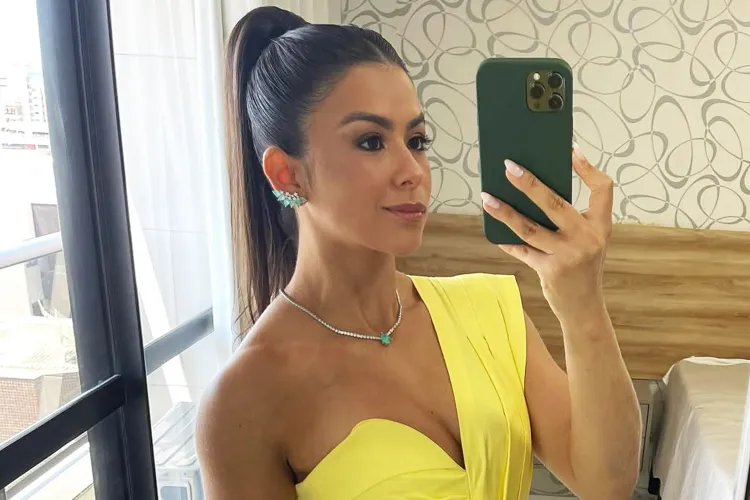
You feel the shock before you see the details: wellness influencer Gabriela Martins Santos de Moura, 31, died after complications during an IVF procedure, leaving a tight-knit online community searching for answers and support. This piece explains what happened, why it matters, and how her death is prompting urgent questions about fertility-care risks and patient safety.
She built a following around mindfulness and self-care while juggling work, marriage, and a long struggle to start a family. The next sections trace Gabriela’s life and career, outline the events around her final days, and gather the reactions that show how one loss can ripple through a community.
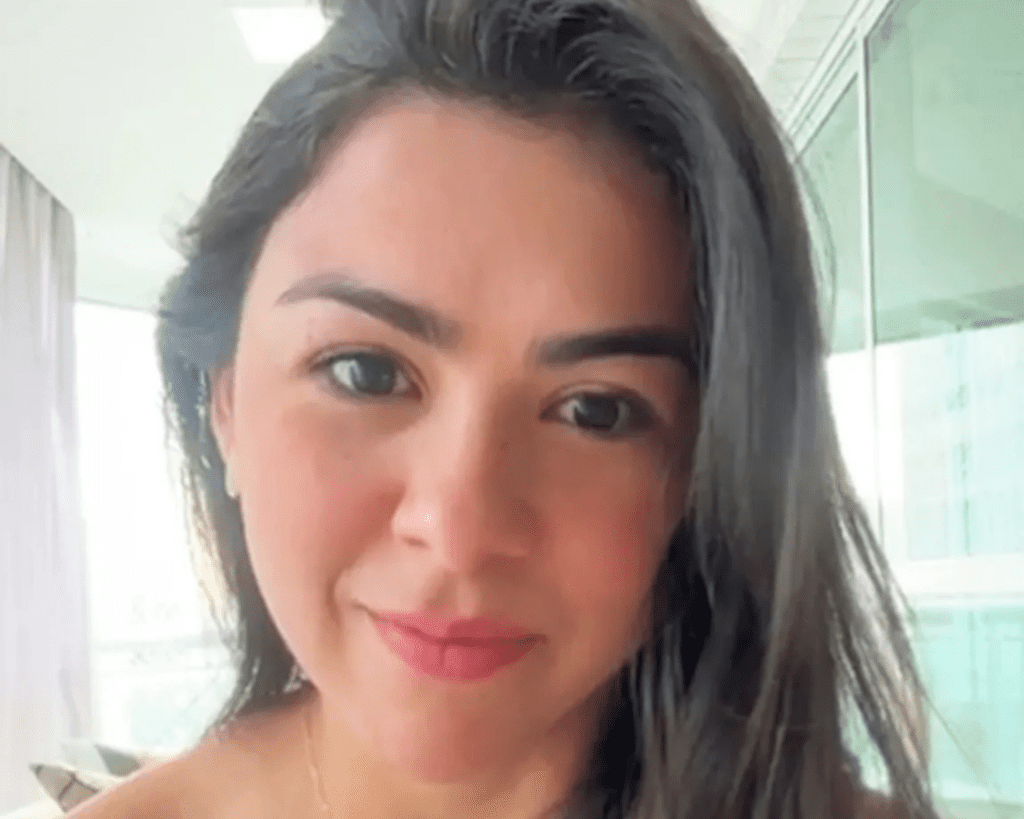
Gabriela Martins Santos de Moura: Life, Career, and Final Days
Gabriela Martins Santos de Moura built a public life around wellbeing, relationships, and mental health. Her death at 31 after complications during fertility treatment has shocked followers and raised questions about the risks of assisted reproduction.
Who Was Gabriela Martins Santos de Moura?
Gabriela was a Brazilian wellness influencer and therapist known for blending mindfulness, neuroscience, and positive psychology in her work. She posted regularly about breathing practices and emotional care, and her Instagram showed a mix of professional content and personal moments from Teresina and São Paulo.
She also trained as a lawyer earlier in her life, which appeared alongside her therapeutic practice in public profiles. Gabriela married surgeon Samuel Moura in February 2018; the couple recently marked their eighth wedding anniversary the day before her death. Friends and family described her as energetic and deeply committed to helping others.
The IVF Procedure and Medical Complications
Gabriela underwent an in vitro fertilization procedure at a private human reproduction clinic in São Paulo. Reports indicate she suffered cardiorespiratory arrest during the procedure, triggering emergency care at the clinic. Medical teams reportedly tried to stabilize her and transferred her to intensive care for advanced support.
Her family later said she remained hospitalized and was in a coma for eight days. Local accounts mention that clinicians eventually determined she had suffered severe brain injury; some outlets reported brain death as part of the clinical course. There are ongoing questions about the sequence of events and the clinic’s handling of the emergency.
Timeline: From IVF to Tragic Death
- Feb. 17 (reported): Gabriela underwent an assisted reproduction procedure at a São Paulo clinic.
- During the procedure: She experienced cardiorespiratory arrest and received emergency intervention at the clinic.
- Following days: She was hospitalized in a coma and placed on life support while clinicians assessed neurological status.
- After eight days: Family members confirmed she had not regained consciousness and that her condition was critical.
- Feb. 24: Gabriela died at age 31; her family began arrangements to return her body to Teresina.
This sequence aligns with family statements and local reporting but remains subject to official medical records and clinic disclosures. Key family voices include cousin Nahiza Monteles, who confirmed timing details to media outlets.
Loved Ones, Mourning, and Memorials
Family and followers reacted quickly on social media, sharing tributes and photos. A cousin, Nahiza Monteles, and other relatives posted memories and noted the difficulty of losing her so young. One relative published an Instagram reel calling Gabriela a devoted friend, godmother, and therapist.
The family is arranging transport of her remains from São Paulo back to Teresina for memorials. Conversations about organ donation and next steps were reported in some accounts, reflecting the medical realities after brain death determinations. Public comments stressed grief over a life cut short and many messages referenced the couple’s recent wedding anniversary and their hopes of starting a family.
Legacy, Impact, and Community Reactions
Her online presence left a clear imprint on followers, colleagues, and the wider wellness conversation. Many people reacted emotionally on social platforms, praised her teaching on mindfulness and positive psychology, and raised urgent questions about IVF safety and clinic transparency.
The Wellness Community’s Outpouring on Social Media
Followers and peers flooded Instagram with photos, short videos, and written tributes that highlighted specific practices she taught, like the “art of pausing” and guided breathing exercises. Posts used hashtags tied to wellbeing influencer communities and often referenced moments from her stories and reels that taught self-care routines or micro-practices for stress.
Prominent wellness creators reposted her last mindfulness exercises, calling them practical tools for daily life. Comments ranged from immediate condolences to users sharing how her routines improved sleep or focus, showing measurable, everyday impacts rather than abstract praise.
Some health professionals chimed in too, offering resources and urging followers to seek medical guidance for fertility treatments. That mix of personal grief and professional advice shaped a public conversation that moved beyond mourning to mutual support and information-sharing.
Influencer’s Message: Mindfulness and Positive Psychology
She framed wellbeing in concrete, teachable terms: short breath practices, journaling prompts grounded in positive psychology, and daily experiments rooted in neuroscience. Followers noted specific lessons—like labeling emotions during the mindfulness of breathing and brief cognitive reframes—when describing how her work changed habits.
Her content blended scientific language with accessible exercises, often citing neuroscience principles to validate small behavioral shifts. She promoted “self-knowledge” through routine reflection, encouraging followers to test what worked for them and report back in comments—creating an iterative, community-led approach to wellbeing.
That combination of science-as-care and friendly instruction turned passive viewers into active practitioners. The result: a body of micro-practices that many copied into morning routines, therapy homework, and workplace wellbeing plans.
Raising Difficult Questions about Assisted Reproduction Risks
Her death sparked focused conversations about IVF complications, clinic protocols, and informed consent. Commenters and commentators pointed to the need for clearer communication about rare but serious risks, and some called for better emergency preparedness at fertility clinics.
Family statements and media reporting prompted followers to demand more transparency about post-procedure monitoring and potential cardiorespiratory events. Public health professionals who weighed in referenced clinical guidelines and urged patients to ask specific questions before treatment, turning grief into practical guidance for others considering assisted reproduction.
Those reactions pushed platforms, clinics, and communities to discuss policy and patient safety while supporters continued to emphasize organ donation and her legacy of care.
More from Decluttering Mom: